





A Worrying Start to the Season
The numbers from the India Meteorological Department (IMD) tell a stark story. By the end of the month, Goa had recorded a 34% rainfall deficit. The state received just 603.2 mm of rain against a normal of 914.0 mm. This deficit was even more pronounced
in the first three weeks of June, when it soared past 70%, making it one of the driest starts to the monsoon in nearly two decades. Although heavy showers in the final week helped narrow the gap, it wasn't enough to compensate for the prolonged dry spell that defined most of the month. North Goa was hit harder, with a 42.1% deficit, compared to South Goa's 26.6%.
Why Did the Rains Fail?
The monsoon's arrival on June 5th initially brought hope, but the system remained weak and failed to deliver its characteristic downpours. Meteorologists point to a combination of factors. A weak low-level jet stream and the absence of a strong, sustaining off-shore trough along the coast meant that the rain-bearing clouds weren't consistently making landfall. Some experts also attributed the weak performance to broader climatic conditions, including the potential development of an El Niño in the Pacific, which is often linked to suppressed monsoon rainfall in India. Essentially, the powerful engines that drive the monsoon over Goa were running at a fraction of their normal power for most of June.
Ripple Effects on Farms and Fields
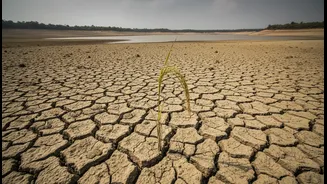
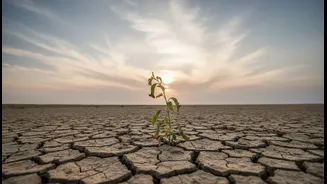
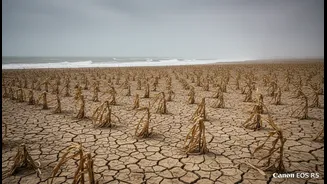
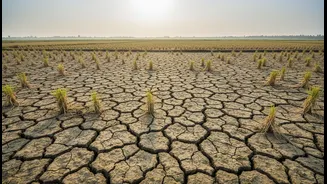
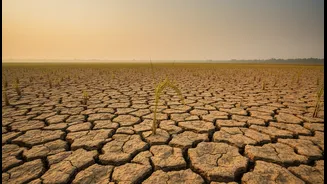
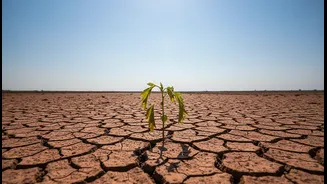
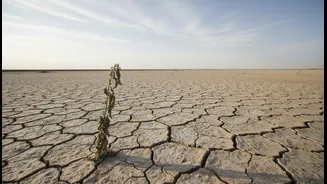
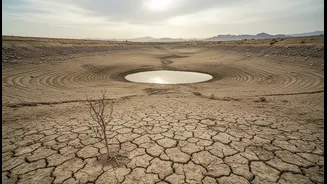
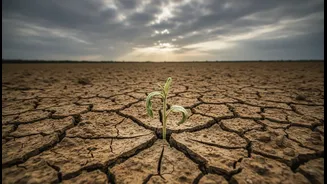
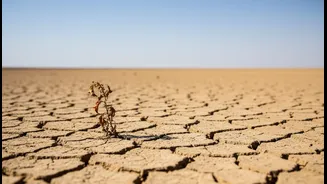
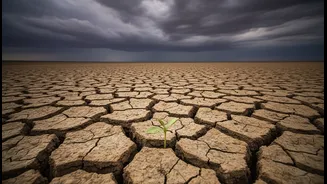
The direct and most immediate impact of the weak monsoon is felt in the agricultural sector. For Goa's farmers, June is the critical window for paddy cultivation. The delayed and deficient rains put a halt to sowing operations, leaving farmers anxiously watching the skies and their parched fields. The lack of sufficient rainwater means that lift irrigation systems cannot be fully utilised, and in some cases, bans were put on pumping water from rivers and reservoirs to protect dwindling drinking water supplies. This delay not only affects the kharif crop but also has a cascading effect, threatening the subsequent rabi (winter) crop and even summer horticulture, which depend on groundwater recharged during the monsoon.
Dams, Reservoirs, and Drinking Water
The bigger story extends beyond the farms to every tap in the state. Goa's reservoirs, which are typically expected to fill rapidly in June and July, are lagging dangerously behind schedule. As of early July, major reservoirs were far from capacity. Selaulim reservoir, which supplies water to most of South Goa, was only 37% full, and the Anjunem reservoir was at a mere 15%. By mid-June, officials had already noted that the state had approximately one month's worth of drinking water left, highlighting the precarity of the situation. This puts immense pressure on water management authorities and raises the spectre of water restrictions if the monsoon doesn't pick up significantly. The health of these reservoirs is crucial, as the water stored during the monsoon must last until the next one arrives.
An Uneasy Glimpse into the Future?
While a single weak month doesn't define an entire monsoon season, it serves as a potent reminder of Goa's vulnerability to climatic shifts. Experts are increasingly pointing to the erosion of traditional water management systems, like the bunding of village lakes, which once helped retain monsoon water and recharge the water table. The combination of erratic weather patterns and the loss of these age-old conservation techniques presents a dual challenge. The deficient June spell is less a one-off event and more a signal of the growing need for robust water management and agricultural policies that can withstand the increasing unpredictability of the monsoon.