




The Calorie Counting Conundrum
The 'calories in, calories out' model has been the cornerstone of diet advice for generations. It’s simple, measurable, and makes intuitive sense. However, this approach treats all calories as equal, which modern science shows is not the case. 100 calories from
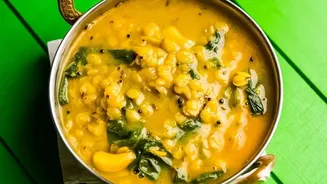
a soft drink impacts your body very differently than 100 calories from a bowl of dal. This is where the old rulebook falls short. It ignores how food affects your hormones, your feelings of fullness, and your gut health—all of which are critical for long-term health and sustainable weight management. Focusing solely on calories can lead to a restrictive mindset and often overlooks the nutritional quality of the food being consumed.
The Fibre Revolution
So why is fibre the new focus? Because it fundamentally changes how your body processes food. Fibre is a type of carbohydrate that the body can't digest. Instead of being broken down into sugar, it passes through your system largely intact, and its journey has profound benefits. Soluble fibre, found in foods like oats, beans, and apples, dissolves in water to form a gel-like substance. This gel slows down digestion, which keeps you feeling full for longer and helps prevent the sharp blood sugar spikes that lead to cravings. This feeling of fullness, or satiety, is a game-changer. When you feel full and satisfied, you naturally tend to eat less overall, making calorie management almost automatic.
It's About Quality, Not Just Quantity
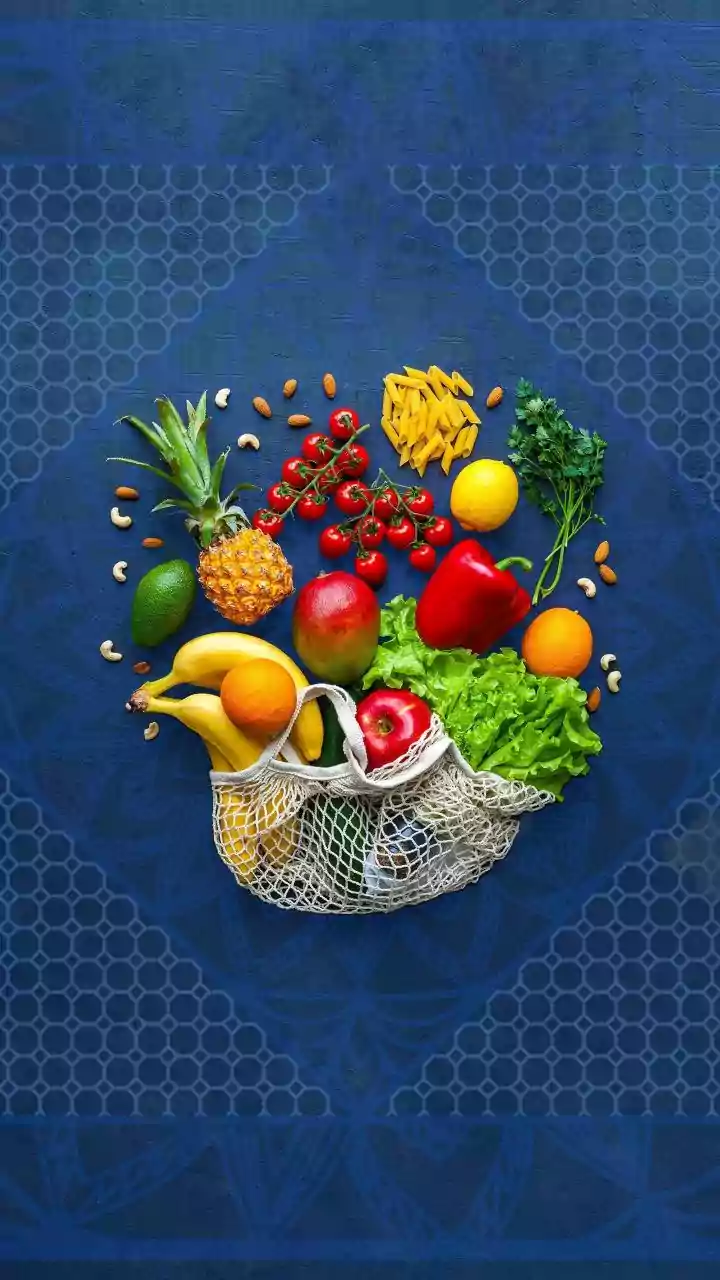
The shift towards fibre is really a shift from food quantity to food quality. High-fibre foods are often less 'energy dense,' meaning they contain fewer calories for the same volume of food. Think about a plate full of leafy greens and vegetables versus a small, dense piece of cake. The vegetables will fill you up on fewer calories. More importantly, fibre-rich foods come packed with vitamins, minerals, and antioxidants essential for health. Research shows that high-fibre diets don't just aid in weight control; they are linked to a lower risk of heart disease, type 2 diabetes, and certain types of cancer. By prioritising fibre, you are naturally nudged towards eating more whole, minimally processed foods.
Fuel for Your Inner Ecosystem
One of the most exciting areas of nutrition research is the gut microbiome. Your gut is home to trillions of bacteria, and keeping them happy is crucial for everything from immunity to mental health. And what do these friendly gut bacteria love to eat? Fibre. Certain fibres, known as prebiotics, act as food for beneficial gut microbes. When these microbes ferment fibre, they produce short-chain fatty acids (SCFAs), which have powerful anti-inflammatory effects and help improve insulin sensitivity and regulate appetite hormones. A diet low in fibre essentially starves this inner ecosystem, which can lead to inflammation and a host of health issues. A fibre-rich diet builds a healthy, diverse microbiome that works with you, not against you.
Putting Fibre First on an Indian Plate
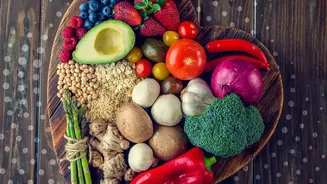
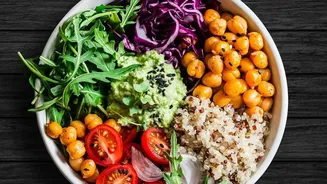
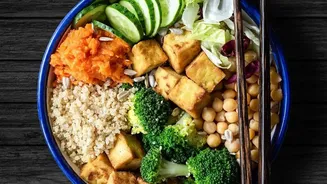
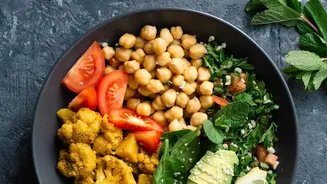
The good news is that a traditional Indian diet is naturally well-positioned to be high in fibre. The key is to focus on whole, unprocessed ingredients. Load up on lentils and legumes like rajma, chana, and masoor dal, which are powerhouses of both fibre and protein. Swap refined white rice for brown rice and incorporate whole grains like jowar, bajra, and ragi into your rotis and porridges. Make vegetables the star of your meals—include a generous portion of sabzi with both lunch and dinner. Fruits like guava, papaya, and apples are excellent sources of fibre for snacks. By embracing these traditional staples, you can easily meet your daily fibre needs, which the Indian Council of Medical Research recommends as 25-40 grams per day.