






What Is This New Food Tracking System?
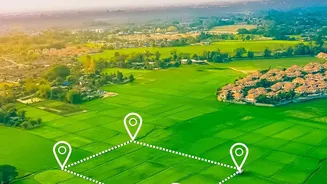
Several government bodies and industry leaders are pushing for a nationwide food traceability system. The core idea is to create a digital record that follows produce and food products through every stage of the supply chain. This involves tracking items
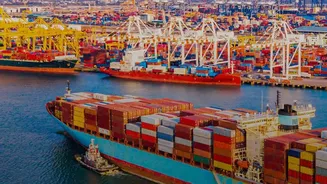
from the moment they are harvested or created, through processing, packaging, distribution, and finally to the retail shelf. The Food Safety and Standards Authority of India (FSSAI) has been a key player, introducing amendments and draft regulations aimed at strengthening this 'farm-to-fork' visibility. One of the most discussed technologies to enable this is the simple QR code. By scanning a code on a product's packaging with a smartphone, consumers could instantly see details about its origin, processing journey, and more.
Why the Push for Transparency Now?
The drive for traceability stems from several converging factors. Firstly, there is growing consumer demand for transparency and authenticity. After several high-profile food safety incidents, urban Indian consumers are increasingly asking for proof of where their food comes from. Secondly, regulators are looking for more effective ways to ensure food safety. When a contamination issue arises, a robust traceability system allows authorities to pinpoint the source of the problem in hours instead of weeks, enabling faster recalls and preventing wider public health crises. Finally, it enhances India's position as a major global exporter by meeting strict international standards for quality and safety, building confidence in Indian-origin products worldwide.
How It Could Benefit Farmers
While the system adds a layer of technology, it holds significant promise for farmers, especially smallholders. A digital identity for their produce protects against counterfeiting and adulteration, ensuring that their genuine, high-quality products are not replaced by fakes. This can help them build a brand and command better prices by establishing trust directly with consumers, potentially reducing their dependence on intermediaries. For instance, a farmer in Punjab can use a QR code on a bag of flour to show consumers exactly when and where it was processed. Furthermore, this digital documentation can make it easier to access certifications, such as organic or GI (Geographical Indication) tags, and may even be linked to credit access in the future.
The Challenges on the Ground
Implementing a nationwide traceability system is not without its hurdles. The primary challenge lies in India's vast and fragmented agricultural sector, which is dominated by small and marginal farmers. The cost and technical know-how required to adopt digital tools could be a significant barrier for many. Ensuring that millions of farmers, processors, and distributors across the country can and will participate is a massive logistical undertaking. There are also concerns about data management and the infrastructure needed to support such a large-scale system. However, pilot programs have shown that the technology can be straightforward, often requiring just a smartphone and an internet connection to get started.
What This Means for Your Dinner Table
For the average consumer, these reforms promise a new level of confidence in the food they buy. Imagine scanning a QR code on a packet of turmeric and seeing the farm where it was grown, the date of harvest, and its processing details. This system aims to turn vague marketing claims about 'fresh' or 'pure' products into verifiable facts. It empowers you to make more informed choices about your food, rewarding producers who are committed to quality and safety. While the full, nationwide rollout is still a work in progress, the move towards greater transparency is already beginning, with many brands and even farmers adopting QR codes to tell the story of their food.