
Core Apparel: Layering is Key
The golden rule for monsoon trekking is to avoid cotton at all costs. It absorbs moisture, becomes heavy, and clings to your skin, making you feel cold. Instead, opt for synthetic, quick-dry fabrics. Pack at least two pairs of quick-dry trek pants and several
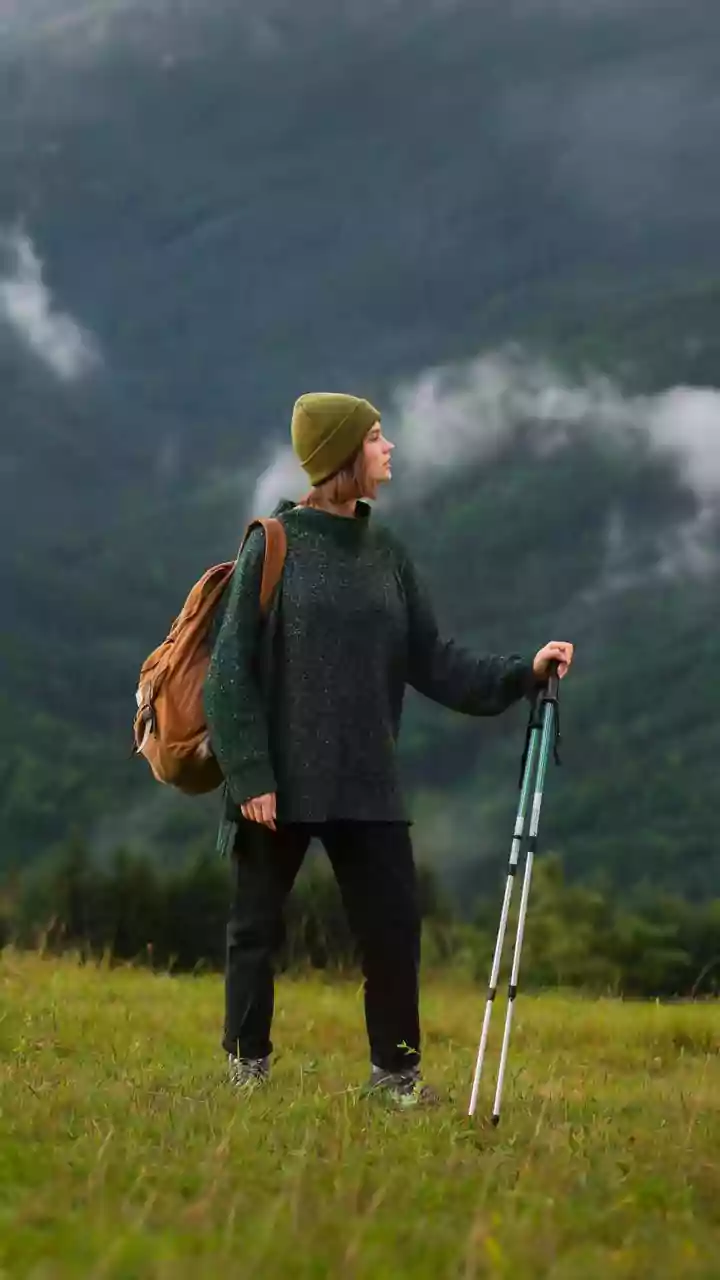
synthetic T-shirts (polyester or nylon blends). A full-sleeved T-shirt can offer protection from insects and thorns. Layering is crucial. A lightweight fleece jacket will provide warmth during chilly evenings or at higher altitudes, while a reliable, fully waterproof outer layer is non-negotiable. Look for a rain jacket or a poncho. A poncho has the added advantage of being able to cover you and your backpack, offering complete protection during a downpour.
Footwear: Your Most Crucial Gear
Your choice of footwear can make or break your trek. The trails will be muddy, slippery, and uneven, with hidden rocks and roots. Invest in a pair of waterproof trekking shoes with high-ankle support and deep lugs for superior grip on wet surfaces. High-ankle support helps prevent twists and sprains, which are common on treacherous terrain. Equally important are your socks. Pack multiple pairs of synthetic or wool-blend trekking socks. Consider carrying waterproof socks for an extra layer of defense against the wet. Never wear cotton socks. It is also wise to carry a pair of lightweight sandals or floaters for use at your campsite, allowing your feet to breathe and your primary shoes to dry out.
Backpack and Waterproofing
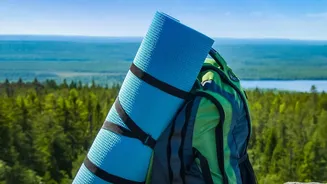
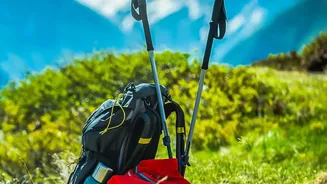
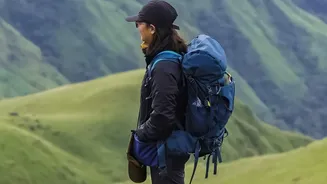
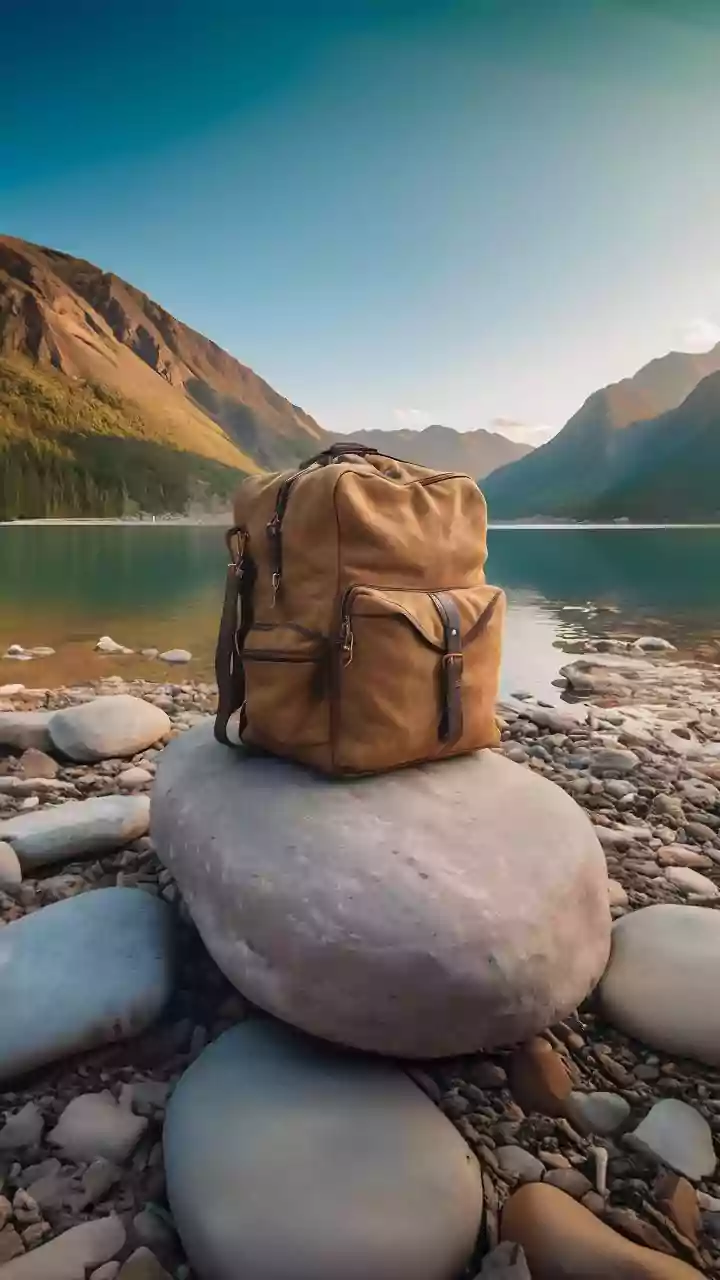
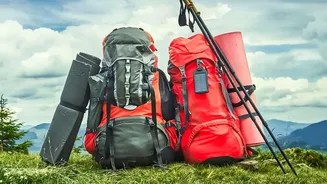
A 30-40 litre backpack is generally sufficient for most multi-day monsoon treks. Ensure it has a good support system and comfortable straps. However, the bag itself is only half the battle; keeping its contents dry is paramount. A high-quality, waterproof rain cover for your backpack is absolutely essential. For an additional layer of protection, line the inside of your backpack with a large plastic bag or a pack liner. Further compartmentalize your belongings using dry bags or simple ziplock pouches for electronics, clothes, and your first-aid kit. This ensures that even if your main bag gets damp, your critical gear remains perfectly dry.
Tackling the Leech Problem
Leeches are an unavoidable part of the monsoon ecosystem in the Western Ghats, but they shouldn't deter you. While their bites are generally harmless—they don't transmit diseases—they can be unsettling. Prevention is the best strategy. Wear long trousers and tuck them firmly into your high-ankle shoes or socks. Specialised leech-proof socks, which are long and tie up below the knee, are highly effective. If you find a leech on you, do not panic or pull it off, as its mouthparts can remain in the wound. Instead, gently push its sucker sideways with a fingernail to break the seal. Applying salt or a drop of sanitizer can also make them fall off. The wound will bleed for a while due to the leech's anticoagulant, so clean it with an antiseptic and apply a bandage once the bleeding stops.
Health, Safety and Navigation
Always carry a personal first-aid kit. It should contain antiseptic wipes, bandages of various sizes, blister tape, pain relievers, and any personal medication. Hydration is key, so carry at least two litres of water or a hydration bladder. Also include electrolyte powders or ORS sachets to replenish salts lost through sweat. High-energy snacks like nuts, dates, and energy bars are perfect for maintaining energy levels. A headlamp or torch is essential, as weather can change quickly and you may find yourself trekking after dark. A power bank will keep your phone and navigation tools charged, and a whistle is a simple but effective safety device to signal for help.