





The AI-Fuelled Surge
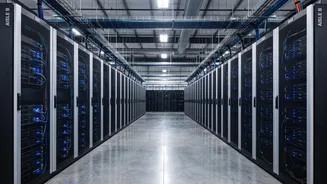
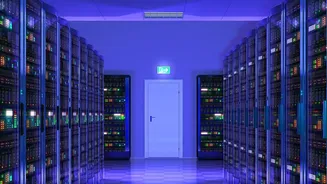
The core driver of this looming power crunch is the explosive growth of Artificial Intelligence. Unlike a simple web search or saving a file, training and running complex AI models requires immense computational power from thousands of specialized servers.
According to the International Energy Agency (IEA), global electricity consumption from data centres, AI, and cryptocurrencies is projected to roughly double by 2030. This surge means that by the end of the decade, these facilities could consume nearly 1,000 terawatt-hours of electricity annually, an amount comparable to the current electricity consumption of Japan. A single ChatGPT query, for instance, consumes nearly ten times more electricity than a standard Google search. When scaled to billions of interactions, the energy demand becomes monumental. This has transformed data centres from large power consumers into entities with an almost insatiable appetite for energy.
A Global Grid on the Brink
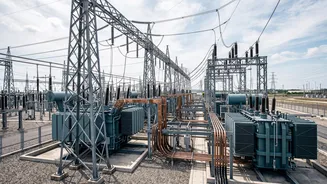
This exponential demand growth is creating a fundamental mismatch with the world's power infrastructure. Electrical grids were designed for predictable, steady load growth, not the sudden, volatile swings characteristic of AI data centres. Large AI training clusters can ramp up to full power in seconds, creating multi-megawatt shocks that can destabilize local and regional grids, risking voltage oscillations and blackouts. The problem is compounded by timelines. A massive data centre campus can be built in two to five years, but the necessary grid upgrades—new transmission lines, substations, and transformers—can take a decade or more due to planning, permitting, and construction hurdles. This has created enormous backlogs, with thousands of gigawatts of new energy projects, including renewables, stuck in interconnection queues waiting for grid access. In major data centre hubs like Northern Virginia in the US, utilities are already warning they cannot meet projected demand, forcing some projects to be delayed or scaled back.
The Hunt for Power
The race is on to find new and reliable sources of power. Tech giants are no longer just passive consumers of electricity; they are becoming major players in the energy market themselves. Faced with grid delays, companies are exploring a range of solutions. This includes signing massive power purchase agreements (PPAs) for entire wind and solar farms. Some are even going a step further by directly investing in on-site power generation, including natural gas plants, large-scale battery storage, and, in a significant shift, exploring next-generation nuclear technology like small modular reactors (SMRs). Microsoft, for example, has been hiring nuclear energy experts to help power its future AI ambitions. This pivot to creating their own power ecosystems underscores the severity of the grid's limitations and a strategic move to de-risk their operations from public utility constraints.
The Impact in India
India is at the heart of this global expansion, with its data centre capacity projected to skyrocket. Driven by rising digitalisation, enterprise cloud adoption, and AI workloads, India's data centre stock is expected to grow to over 7 gigawatts by 2030. This boom, concentrated in cities like Mumbai, Chennai, and Hyderabad, is creating its own set of power challenges. India's data centre electricity consumption could grow nearly fivefold by 2030, accounting for a significant percentage of national demand. While this presents a huge economic opportunity, spurring investment in infrastructure and manufacturing, it also puts immense pressure on the country's energy grid to keep pace. The challenge for India, as with the rest of the world, will be to build out this capacity sustainably.
A Sustainable Dilemma
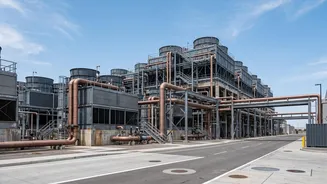
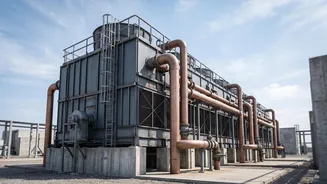
While tech companies are among the world's biggest corporate buyers of renewable energy, the sheer speed and scale of AI's growth mean that demand is outstripping the pace of green energy deployment. As a result, in some regions, new data centres are being powered by fossil fuels, threatening to reverse progress on decarbonisation. The IEA warns that emissions linked to the sector could rise 70% by 2030. To counter this, a multi-pronged approach is essential. This includes radical improvements in efficiency, such as advanced liquid cooling systems that use far less energy than traditional air conditioning, and AI itself being used to optimize power consumption within the data centre. Furthermore, integrating large battery systems can help stabilize the grid by storing energy when it's plentiful and releasing it during peak demand.