


More Than Just an Animal
The shift starts with a simple but profound change in perspective: pets are no longer just animals we own; they are family members we live with. This 'pet humanization' is the driving force behind one of the biggest trends in modern design. In India,
where the pet population has swelled, particularly in urban centres post-pandemic, this change is palpable. A 2023 report noted that India's pet care market is projected to reach over ₹20,000 crore by 2028, growing at a phenomenal rate. This economic boom isn't just about premium food and vet care; it's about integrating our furry, finned, or feathered companions into every aspect of our lives, starting with the four walls we call home.
The Indestructible, Stylish Home
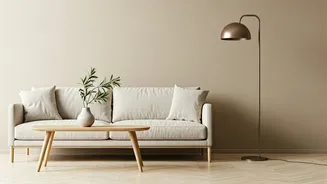
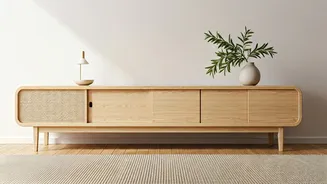
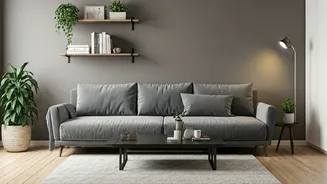
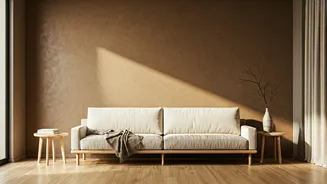
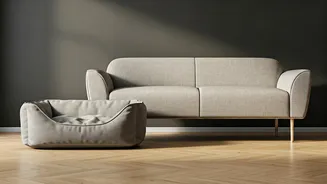
For years, pet owners faced a difficult choice: a beautiful home, or a happy pet. The two seemed mutually exclusive. Scratched leather sofas, stained carpets, and perpetually fur-covered fabrics were considered the price of admission for animal companionship. Not anymore. Designers and manufacturers are now engineering materials built for the reality of life with pets. Enter performance fabrics like Crypton or Sunbrella, which are stain-resistant, water-repellent, and easy to clean, yet look and feel luxurious. Flooring is moving away from easily scratched hardwood towards durable options like luxury vinyl tile (LVT), polished concrete, and high-quality laminates. Even paint is getting a pet-friendly makeover, with brands offering non-toxic, low-VOC (volatile organic compounds) paints that are safer for animals who might lick or chew surfaces.
Beyond the Basics: 'Barkitecture'
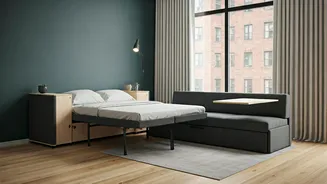
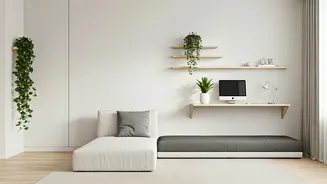
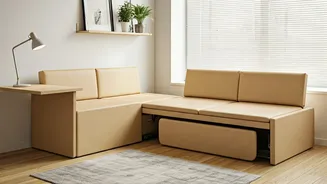
Pet-friendly design has evolved far beyond just durable materials. A new discipline, playfully dubbed 'barkitecture,' is emerging, focusing on integrating pet needs seamlessly into a home's layout. This isn't about plonking a dog bed in the corner. It's about thoughtful, built-in solutions. Think custom nooks under staircases that serve as cosy dens, built-in feeding stations in the kitchen island to avoid tripping over bowls, and 'cat highways'—stylish shelves and perches that allow feline friends to explore vertical space. In smaller urban apartments, designers are creating multi-functional furniture, like side tables that double as cat houses or ottomans with hidden storage for pet toys. The goal is to create a shared space that respects the needs and wellness of both human and animal inhabitants, reducing stress and enhancing the bond between them.
Building for the Whole Family
The trend isn't confined to individual homes. Real estate developers, recognising that pet ownership is a key factor for many homebuyers, are now marketing 'pet-friendly' as a premium amenity. This goes beyond simply allowing pets. New residential projects in metros like Mumbai, Bengaluru, and Gurugram are being designed with dedicated pet parks, grooming stations, and even pet-specific swimming pools. Building layouts are being considered to include wider corridors and durable common area materials. Architects are considering pet ergonomics in their blueprints, ensuring balconies have safe, high railings and that window designs prevent accidents. This indicates a fundamental market realisation: for the modern Indian family, a home that isn't good for their pet isn't a good home at all.