







What Exactly Is a Tool Library?
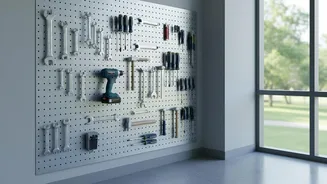
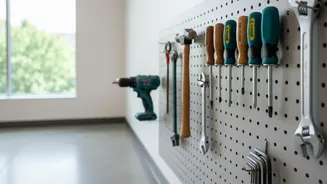
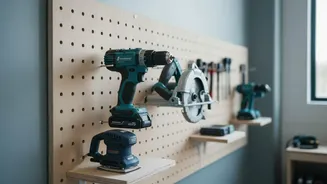
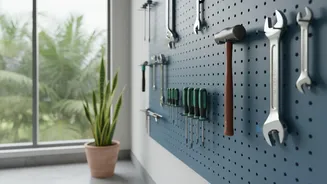
Think of your local book library, but instead of novels and biographies, the shelves are stocked with power drills, gardening equipment, step ladders, and high-pressure washers. A tool library is a shared collection of tools that residents of a community
can borrow for free or for a nominal annual fee. The concept is simple: instead of each household buying and storing tools that are used infrequently, the community invests in a shared pool. This idea is gaining traction in dense urban areas where the principles of the sharing economy offer practical solutions for modern life.
An Answer to the Urban Space Crunch
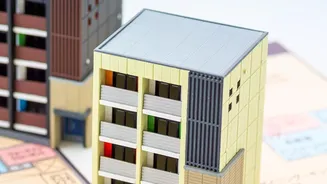
In cities across India, new apartments are becoming more compact. Storage space is a premium commodity, and finding a place for bulky, seldom-used items is a common headache. A shared tool library elegantly solves this problem. It frees up valuable space within individual homes, decluttering balconies and cupboards. Instead of hundreds of households storing their own individual ladders or electric saws, one set of high-quality, well-maintained tools can be stored in a designated common area, accessible to all members of the housing society.
The Financial Advantage
The economic benefits of a tool library are immediate and obvious. Quality tools can be expensive, and it often feels wasteful to spend thousands of rupees on an item needed for a single DIY project. By pooling resources, residents get access to a wide variety of equipment they might not otherwise be able to afford. For a small annual membership fee, far less than the cost of buying a single power tool, a household gains access to an entire inventory. This model democratises access to resources, ensuring that maintaining and improving one's home isn't limited by the high cost of equipment.
Building a More Sustainable Future
The core of the tool library concept is sustainability. It is a direct counterpoint to the culture of overconsumption. When one shared drill can serve dozens of households, it drastically reduces the manufacturing, packaging, and transportation emissions associated with producing and selling dozens of individual drills. This aligns perfectly with the growing push for green buildings and sustainable living practices in India's urban centres. By promoting reuse and reducing waste, tool libraries are a tangible step communities can take to lessen their collective environmental footprint.
Fostering a Stronger Community
Perhaps one of the most powerful, yet often overlooked, benefits of a tool library is its ability to build community. These shared spaces naturally become hubs for interaction. Neighbours meet while borrowing a hammer or returning a lawnmower. This simple act can lead to conversations, skill-sharing, and a greater sense of connection. Many tool libraries also host workshops on basic repairs or DIY skills, empowering residents and fostering a culture of mutual help and support. In an urban environment where residents can often feel isolated, a tool library helps transform a housing society into a true neighbourhood.