



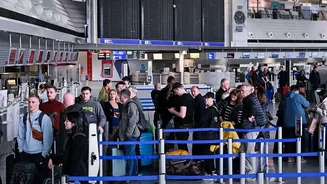
Nothing disrupts travel plans quite like a weather delay. The US Federal Aviation Administration (FAA) is rolling out a major technological upgrade, promising a future with fewer delays and safer skies by modernising its core information systems.
Out With The Old
For decades,
US air traffic controllers have relied on a patchwork of systems to manage the world's busiest airspace. Some of this technology dates back to the 1980s and 1990s, with reports of critical updates being handled with floppy disks. These legacy systems, such as the Information Display System 4 (IDS-4), are separate and fragmented. This means weather data, flight plan information, equipment status, and operational alerts are not housed in one unified place. This separation can lead to manual, time-consuming processes for controllers who need to consult multiple screens and sources to get a complete picture, increasing the risk of delays and operational challenges, especially during severe weather events.
Introducing the Digital Overhaul
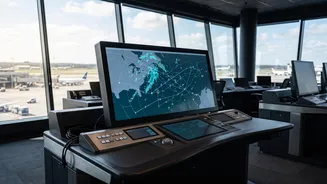
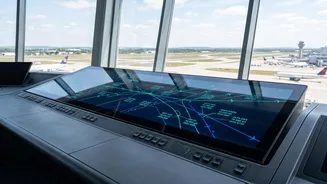
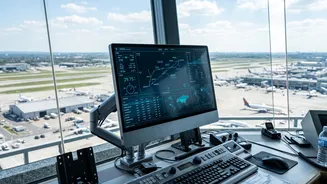
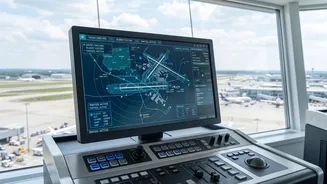
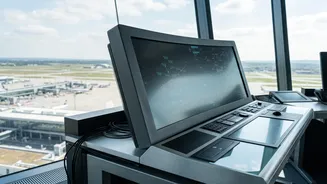
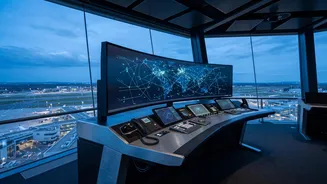
The FAA's modernisation effort, part of the broader Next Generation Air Transportation System (NextGen) initiative, is replacing these old systems with a unified platform called the Enterprise Information Display System (E-IDS). Announced in early November 2026, the E-IDS rollout has begun at several key airports and data centres, with a goal of reaching over 400 facilities by the end of 2028. This new system consolidates all essential information—real-time weather, flight alerts, equipment status, and restricted airspace notices—into a single, integrated digital display. This move is designed to give controllers a streamlined, comprehensive view of the airspace they manage.
A Unified View of the Skies
At the heart of this upgrade is data integration. The E-IDS connects with the FAA's System Wide Information Management (SWIM), which acts as the digital backbone for sharing aviation data. Weather information, for example, will be fed from a sophisticated service called Common Support Services-Weather (CSS_Wx). Instead of pulling weather data from disparate sources, controllers will get a consistent, standardised feed. This ensures that everyone, from the control tower to the en_route centres and even the airlines, is looking at the same real_time information. This shift from fragmented data to a single source of truth is crucial for making more strategic, coordinated decisions.
What This Means for Your Travel
While this is a behind_the_scenes upgrade,, the benefits for passengers are tangible. With better,, more timely weather and traffic predictions,, air traffic controllers can route planes around bad weather more efficiently,, reducing delays and cancellations.. The FAA projects that NextGen improvements will significantly cut delays,, saving travellers time and money.. More accurate data also enhances safety,, as controllers and pilots have a clearer,, shared understanding of potential hazards.. Furthermore,, more efficient routing means airlines burn less fuel,, which helps reduce carbon emissions and can lead to more stable ticket prices.. Ultimately,, this modernisation leads to a more predictable,, reliable,, and resilient air travel network.
A Blueprint for Global Aviation
The FAA's multi_billion dollar modernisation is one of the most significant overhauls of air traffic control in decades and serves as a case study for aviation authorities worldwide,, including in rapidly growing markets like India.. As global air traffic is projected to continue growing,, the need for scalable,, digital infrastructure is universal.. The move from ground_based radar to satellite_based navigation and from voice commands to digital data exchange represents the future of aviation management.. By creating a more interconnected and data_driven system,, the FAA is not only improving its own operations but also setting a standard for how international flights are managed,, ensuring that safety and efficiency keep pace with technology..