


Rethink Your Watering Schedule
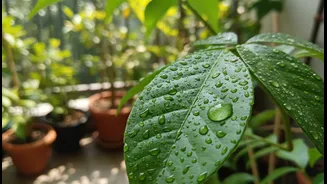
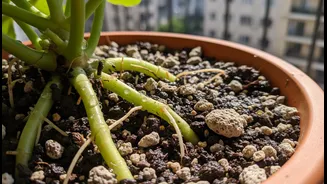
The single biggest mistake during the rainy season is overwatering. With high humidity and frequent showers, the soil stays moist for much longer. Instead of sticking to a fixed schedule, always check the soil first. Insert your finger about an inch deep;
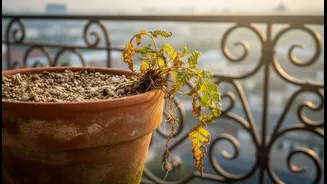
if it feels damp, wait another day or two before watering. For most indoor plants, this might mean watering only once every 10 to 15 days. Remember, plant roots need oxygen as much as they need water, and waterlogged soil can lead to suffocation and root rot, one of the biggest killers of potted plants during this season.
Drainage is Everything
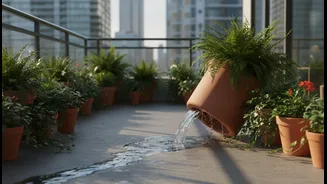
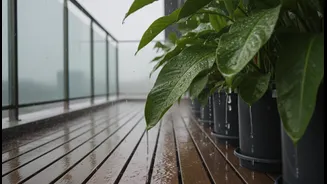
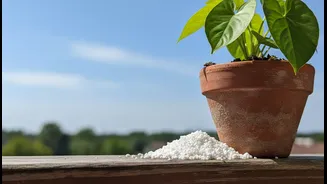
Proper drainage is your plant's best friend during the monsoon. Ensure every pot has at least one or more clear drainage holes at the bottom to let excess water escape. Using terracotta or clay pots can be beneficial as they are porous and help excess moisture evaporate. To further prevent waterlogging, elevate your pots using pot stands or bricks. This simple step improves airflow and stops the pot from sitting in a puddle of stagnant water, which is a common issue on balconies and terraces and a breeding ground for diseases.
Get the Soil Mix Right
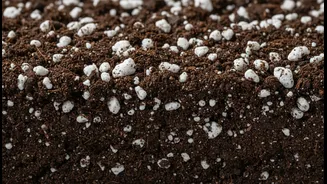
Heavy, dense garden soil is a recipe for disaster in monsoon. It retains too much water and becomes compacted, starving roots of oxygen. The ideal potting mix for this season should be light, airy, and well-draining. A great DIY mix consists of equal parts garden soil, compost or vermicompost, and a material that improves porosity like coarse sand, perlite, or cocopeat. This blend holds enough moisture for the plant while allowing the excess rain to drain away quickly, preventing the dreaded root rot.
Prune for Health and Airflow
The monsoon stimulates rapid growth, but this can lead to dense foliage that traps humidity and encourages fungal diseases. Light pruning just before or at the beginning of the season is crucial. Trim away any dead, diseased, or yellowing leaves and branches. Also, thin out overcrowded areas to improve air circulation around the plant. This not only helps the plant dry faster after a downpour but also directs its energy towards producing healthy new shoots and blooms. Always use clean, sharp pruning shears to make angled cuts, which prevent water from collecting on the cut surface.
Guard Against Pests and Fungi
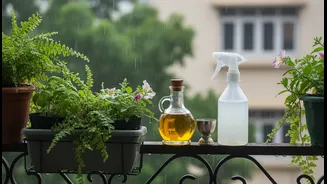
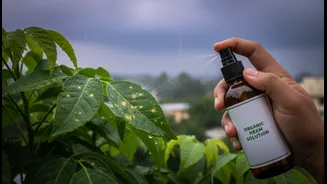
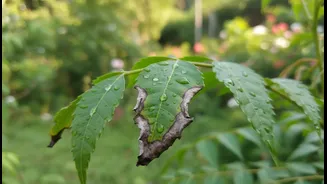
High humidity makes the perfect breeding ground for pests like mealybugs, aphids, snails, and slugs, as well as fungal infections like powdery mildew and leaf spot. Inspect your plants weekly, checking under leaves and around stems. Good air circulation is a key preventive measure. For a natural line of defense, spray your plants with a neem oil solution (a few drops mixed with water and a mild liquid soap) every 10-15 days. This acts as a natural fungicide and pest repellent, keeping many common monsoon maladies at bay without resorting to harsh chemicals.
Fertilise Lightly and Wisely
Heavy rains can wash away essential nutrients from the soil, leaving your plants hungry. However, this is not the time for heavy chemical fertilisers, which can burn the roots in constantly moist soil. Instead, opt for light, organic options. A handful of vermicompost or well-rotted cow manure once a month is sufficient. Liquid fertilisers can also be effective as they are absorbed quickly. It's best to fertilise during a dry spell between rains to ensure the nutrients are not immediately washed out.