





The First Domino: Crude Oil
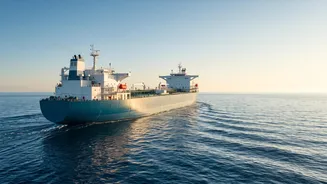
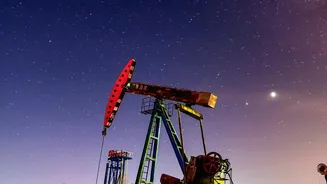
The journey starts with crude oil. India is one of the world's largest importers of oil, relying on foreign sources for over 85% of its needs. A significant portion, often over half, comes from the Middle East. When tensions escalate in this region, fear
of supply disruptions through critical shipping lanes like the Strait of Hormuz causes global crude prices to spike. It’s not just about actual supply cuts; the mere risk adds a 'geopolitical premium' to every barrel of oil, making the base cost of energy more expensive for the entire world, including India.
From the Ship to the Pump
Once costlier crude oil lands in India, it directly affects the prices of petrol and diesel. While government taxes and subsidies can create a temporary buffer, sustained high international prices eventually force oil marketing companies to increase domestic fuel rates. This is the most visible and immediate impact for most citizens. Every time you fill up your car or two-wheeler, you are paying for geopolitical events that happened weeks ago and miles away.
The Key Link: Transportation Costs
This is where the story travels to your grocery store. Diesel is the lifeblood of India's logistics network. Trucks that carry fresh produce from farms to mandis, and then to your local vegetable vendor, all run on diesel. When diesel prices rise, transportation becomes more expensive. For a truck carrying tomatoes from Satara to Mumbai or potatoes from Agra to Delhi, the higher fuel cost is added to the freight charges. That extra cost doesn't disappear; it's passed down the supply chain.
The Price on the Shelf
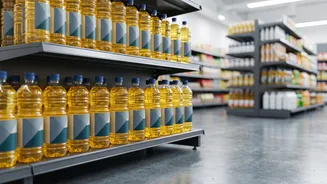
The transporter charges the wholesaler more, who in turn charges your local grocer more. By the time the vegetables and fruits land on the shelves, their price has absorbed the increased cost of diesel. This isn't limited to fresh produce. Packaged goods, from biscuits to soaps, also become costlier. Their manufacturing processes may use petroleum-based inputs, and they also need to be transported from factories to distributors and finally to retail stores, accumulating higher logistics costs at each step.
The Hidden Costs: Fertilizers and Rupee Value
The impact goes even deeper. The production of fertilizers is an energy-intensive process, often using natural gas, whose price is linked to oil. Higher crude prices can lead to a bigger fertilizer subsidy bill for the government or costlier nutrients for farmers, increasing food production costs from the very start. Furthermore, India pays for its oil imports in US dollars. When oil prices rise, India needs to buy more dollars, which can weaken the rupee. A weaker rupee makes all imports, not just oil, more expensive, contributing to overall inflation.