




The Great Return: A Post-Pandemic Surge
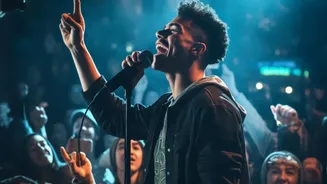
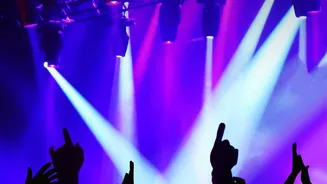
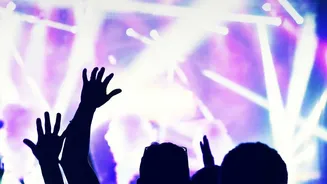
After years of virtual concerts and screen-based entertainment, the hunger for in-person experiences has created an unprecedented boom in India's live music sector. Following the pandemic, there was a sharp rebound in attendance for communal events, as people
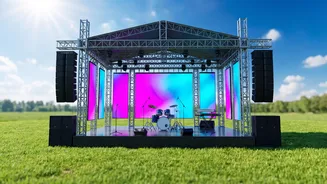
sought to reconnect with the irreplaceable feeling of being in a crowd. This pent-up demand has been met with a packed calendar of events, from multi-day festivals to solo tours by both international and domestic superstars. In 2024 alone, India saw a significant increase in the number of live events, a clear sign of a market that was not just recovering, but rapidly expanding. The industry, valued at over ₹20,000 crore, is now one of the fastest-growing segments of the media and entertainment sector, fueled by a generation of young, digitally-savvy consumers willing to spend on experiences.
Beyond the Metros: A Nationwide Phenomenon
For decades, the Indian live music scene was largely concentrated in a few major cities like Mumbai and Delhi. Today, that map is being redrawn. A remarkable surge in live event frequency has been recorded in Tier 2 and Tier 3 cities, pointing to a significant decentralisation of the culture. Cities such as Ahmedabad, Pune, Hyderabad, Guwahati, and Shillong are becoming vibrant hubs for music, hosting major international acts and festivals. This expansion is powered by a young, upwardly mobile population in these cities and state governments that are beginning to recognise music tourism as a serious economic driver. Fans are increasingly willing to travel across states for concerts, creating what the industry calls 'gig-tripping'. This trend boosts local economies, filling up hotels, restaurants, and transportation services, and turning concerts into significant tourism events.
The Indie Uprising: From Niche to Mainstream
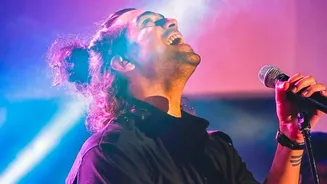
A crucial part of this new energy comes from the rise of India's independent music scene. Once relegated to the margins, indie artists are now commanding massive followings and headlining major festivals. Platforms like YouTube and Spotify have empowered artists to build their own fanbases without relying on Bollywood, and live shows have become a vital source of revenue and connection with their audience. Artists like Prateek Kuhad, Anuv Jain, and bands such as The Local Train have cultivated dedicated listeners who are now turning out in droves for ticketed shows. This has created a self-sustaining ecosystem where artists can thrive financially and creatively, moving from online streams to sold-out venues. The shift is so significant that even playback singers, traditionally associated with film music, are increasingly launching independent projects and solo tours.
Festivals as Cultural Touchstones
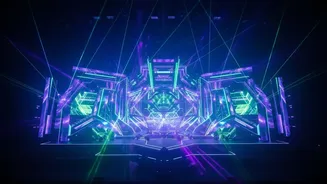
Modern music festivals in India have evolved beyond just a series of performances; they are now multi-sensory cultural gatherings. Events like Lollapalooza India, NH7 Weekender, and Sunburn are becoming destinations where music intersects with fashion, art, and food, creating an immersive experience for attendees. These festivals are increasingly seen as cultural barometers, shaping trends and providing a platform for both established and emerging talent. The arrival of global festival brands like Lollapalooza and Rolling Loud signals India's arrival as a key market on the international touring map, no longer an afterthought but a primary destination. This has not only brought world-class production values to the country but also fostered an environment where diverse genres, from hip-hop to electronic and folk music, can find a stage and an audience.