





The Monsoon-Proof Paradise
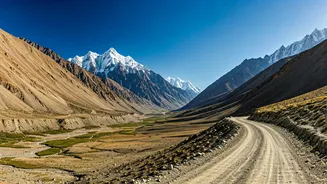
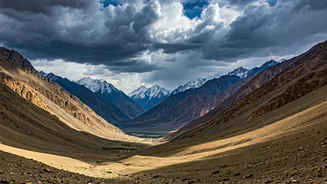
The secret to Spiti's dry weather lies in its geography. Tucked away in the northeastern part of Himachal Pradesh, Spiti is a rain-shadow region. The towering Greater Himalayan ranges to the south act as a formidable barrier, blocking moisture-laden monsoon
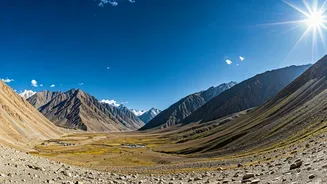
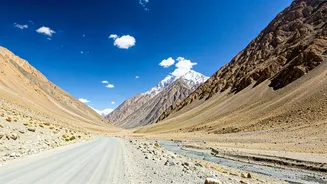
clouds from entering the valley. While the rest of the country experiences heavy rainfall from July to September, Spiti remains remarkably arid, receiving minimal precipitation. This unique phenomenon makes it one of the few Himalayan destinations that are not only accessible but also perfect for exploration during the monsoon season, offering clear blue skies and uninterrupted views.
A World of Stark Beauty
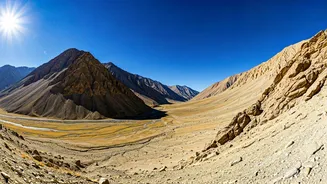
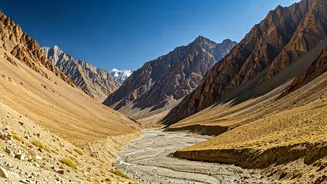
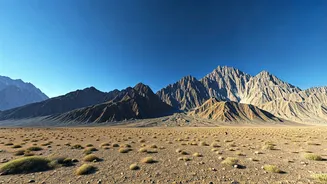
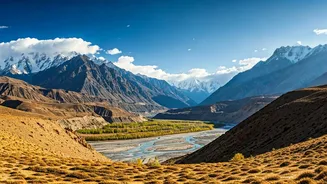
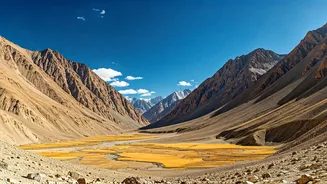
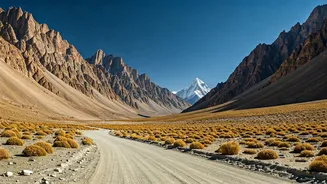
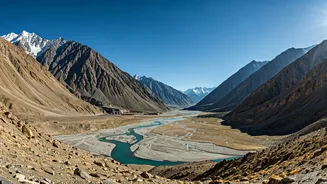
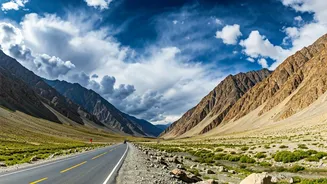
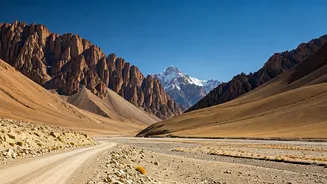
Forget the lush green hillsides typical of Indian hill stations. Spiti offers a different kind of beauty—dramatic, raw, and almost otherworldly. Often called the "Cold Desert," its landscape is a stunning canvas of barren mountains, deep gorges, and turquoise rivers cutting through the terrain. The scenery is frequently compared to that of Tibet, earning it the nickname "Little Tibet." The very air here, thin and crisp at an average altitude of over 12,500 feet, adds to the feeling of being in a world apart. During the monsoon months, a surprising transformation occurs; the arid land gets tinges of green, creating a beautiful contrast against the brown and grey mountains.
Ancient Monasteries and Living Culture
Spiti is not just about landscapes; it's a hub of ancient Tibetan Buddhist culture. The valley is dotted with centuries-old monasteries that seem to defy gravity, perched precariously on cliffsides. The Key Monastery, the largest in Spiti, is a sprawling complex that offers breathtaking views of the valley. Tabo Monastery, known as the "Ajanta of the Himalayas," houses exquisite murals and scriptures that date back over a thousand years to 996 AD. Visiting these spiritual centres, and perhaps interacting with the resident monks, offers a peaceful and profound experience that is a core part of Spiti's appeal.
Adventure in the High Himalayas
For thrill-seekers, Spiti is a natural playground. The journey itself is an adventure, with winding roads and high-altitude passes like Kunzum Pass. The region is a top destination for motorcycle enthusiasts who undertake the challenging but rewarding Spiti Circuit. Beyond the roads, there are countless opportunities for trekking, from short hikes to nearby villages to challenging multi-day expeditions. You can visit some of the world's highest inhabited villages like Komic and Hikkim, which even has the world's highest post office. The crystal-clear waters of Chandratal Lake, the "Moon Lake," are a must-visit, offering stunning reflections of the surrounding peaks and opportunities for camping under a star-studded sky.
What's Behind the Trend?
While Spiti has long been a favourite among seasoned adventurers, its recent surge in popularity can be attributed to several factors. Improved, though still challenging, road connectivity has made it more accessible. The rise of social media has showcased its unique, Instagrammable landscapes to a wider audience. Furthermore, as travellers increasingly seek offbeat and less crowded destinations, Spiti's remoteness and raw beauty have become its main selling points. The desire for authentic experiences, such as staying in local homestays and immersing in a unique culture, perfectly aligns with what Spiti has to offer.
Planning Your High-Altitude Escape
A trip to Spiti requires careful planning. The most popular time to visit is from June to September when all routes are generally open. There are two main routes to enter Spiti: one from Shimla via Kinnaur and the other from Manali. The Shimla route is longer but more reliable, remaining open for most of the year. The Manali route is shorter and more scenic but involves crossing high passes that are closed for over half the year due to snow. It's crucial to acclimatize to the high altitude to avoid sickness. Spend at least a day or two at a lower altitude before ascending further. While the valley itself is dry during monsoon, the approach roads, particularly from Manali, can be prone to landslides, so it's essential to check road conditions before you travel.