





The Appeal of the Wall Sit
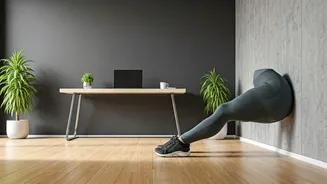
The stationary wall squat, often called a wall sit, is a fitness classic for a reason. It’s an isometric exercise, which means you hold a static position rather than moving through a range of motion. This creates tension in the muscles without straining
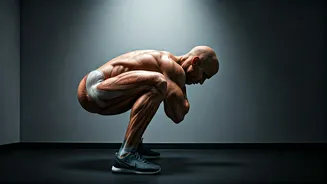
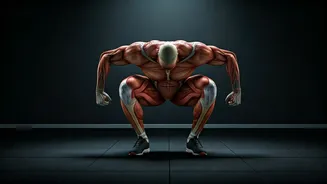
the joints. Its popularity has surged because it seems like the perfect ‘fitness hack’: no equipment needed, you can do it anywhere, and the goal—holding it for two minutes—is a clear, measurable challenge. It primarily targets the quadriceps (front of your thighs) but also engages the glutes, hamstrings, and even your core as you work to maintain proper form.
What 'Toning' Really Means
Before we go further, let's clarify the word 'toning'. In fitness, there's no single exercise that 'tones' a body part like a magic wand. Muscle 'tone' refers to the visible definition and firmness of your muscles. Achieving this look is a two-part process: building muscle mass through resistance training and reducing the layer of body fat covering it, which primarily comes down to nutrition and overall calorie balance. A wall squat can certainly help with the muscle-building part of the equation, but it's not a shortcut that bypasses the fundamentals of fitness and diet.
How to Do a Perfect Wall Squat
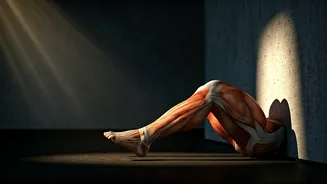
Form is everything. Doing it wrong won’t just be ineffective; it could lead to knee or back strain. Follow these steps for a perfect, safe wall squat: 1. **Find Your Position:** Stand with your back flat against a sturdy, smooth wall. 2. **Step Out:** Walk your feet forward about two feet from the wall. Your feet should be hip-width apart and pointing straight ahead. 3. **Slide Down:** Slowly slide your back down the wall until your thighs are parallel to the floor, as if you're sitting in an invisible chair. Your knees should be directly above your ankles, forming a 90-degree angle. Never let your knees track past your toes. 4. **Engage Your Body:** Keep your back and head flat against the wall. Engage your abdominal muscles to support your lower back. Distribute your weight evenly through your heels, not your toes. 5. **Hold and Breathe:** Hold the position, breathing steadily. Don’t hold your breath!
Common Mistakes to Avoid
Many people compromise their form, which reduces the exercise's effectiveness and increases injury risk. Watch out for these common errors: * **Sliding Too Low:** Going below parallel puts unnecessary stress on your knee joints. * **Not Going Low Enough:** If your thighs aren't parallel to the floor, you're not fully engaging the target muscles. * **Letting Knees Cave Inward:** This is a common sign of weak glutes. Actively think about keeping your knees in line with your hips and ankles. * **Leaning Forward:** Keep your entire back, from your shoulders to your lower back, pressed against the wall. Pushing off with your hands on your thighs is also cheating!
So, Does It Work 'Fast'?
Here's the honest answer: it depends on your definition of 'fast'. You will feel the burn almost instantly. A wall squat is incredibly effective at building muscular endurance. You will likely see your hold time increase 'fast' with consistent practice. Going from a 30-second hold to a 90-second hold can happen in just a few weeks. However, seeing visible changes in muscle size and 'tone' will not happen 'fast'. For that, you need consistency over several weeks and months, combined with a balanced workout routine that includes other exercises (like dynamic squats, lunges, and glute bridges) and a supportive diet. The two-minute wall squat is a fantastic tool, not a total solution.