


The Ancient Power of the Sun
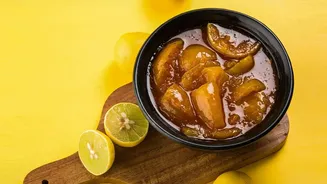
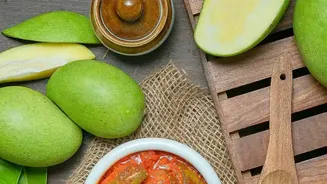
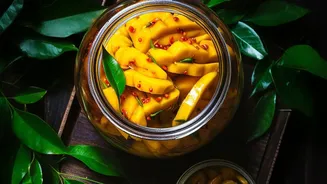
The secret begins with nature’s own dehydrator: the sun. Long before chemical preservatives were invented, Indian households perfected the art of sun-curing. By placing sliced raw fruits or vegetables, like mangoes and lemons, under the sun for days or even
weeks, excess moisture is slowly evaporated. This is a crucial first step. Most spoilage is caused by the growth of unwanted bacteria and mold, which thrive in moist environments. Removing water naturally creates an environment where these microbes cannot survive, providing the first layer of preservation. This slow drying process also concentrates the natural sugars and flavors of the main ingredient, laying the groundwork for a richer taste.
Salt: The Original Preservative
Salt is the second pillar of traditional pickling. It's not just for flavor; it’s a powerful preservation agent. Through the process of osmosis, salt draws out even more water from the fruit or vegetable cells, further inhibiting microbial growth. This creates a brine that is inhospitable to harmful bacteria. But salt’s role is more complex than simply drying. It also helps control the fermentation process, encouraging the growth of beneficial bacteria, like Lactobacillus, while suppressing the kinds that cause spoilage. This controlled fermentation is key to developing the signature tangy flavor of a good pickle.
Oil: A Protective Sealant
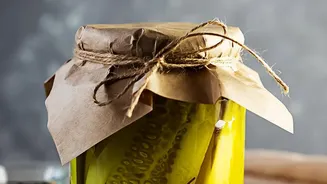
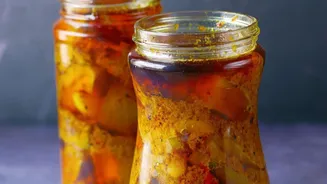
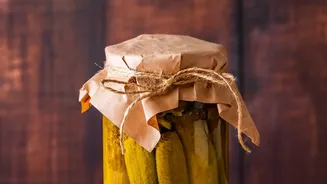
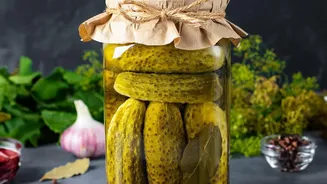
Walk into a traditional Indian kitchen, and you will see jars of pickles resting under a generous layer of oil. This isn't a mistake; it's a deliberate and essential preservation technique. The oil, often pungent mustard oil in North and East India, acts as a natural sealant. It forms a protective barrier between the pickled ingredients and the air, preventing oxygen from reaching them. This barrier stops the growth of airborne molds and yeasts. Mustard oil itself has natural antimicrobial properties, adding another layer of defense and contributing its own sharp, distinct flavor to the final product.
A Symphony of Spices
The spice blend, or masala, is where Indian pickles truly distinguish themselves. These are not added merely for taste; each spice plays a functional role in preservation. Turmeric is known for its powerful antimicrobial properties. Fenugreek seeds (methi) help slow spoilage, while asafoetida (hing) has antibacterial and antifungal qualities. Mustard seeds, fennel seeds, and chili powder don't just create a layered flavor profile; they contribute to an environment that is naturally hostile to spoilage microbes. The gentle heat from the sun helps these spices release their essential oils, allowing them to infuse deeply into the main ingredient and work their preservative magic.
Fermentation: The Slow Road to Flavor
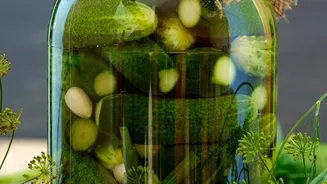
Together, the sun, salt, oil, and spices create the perfect conditions for lacto-fermentation. This is a process where beneficial bacteria break down sugars in the vegetables, creating lactic acid. This acid is a fantastic natural preservative, further lowering the pH and warding off spoilage. More importantly, this is where the 'multi-layered' taste truly develops. Fermentation creates complex, tangy, and umami flavors that are impossible to replicate with shortcuts or artificial flavorings. It’s a slow, magical transformation that turns simple ingredients into a probiotic-rich condiment that is both delicious and beneficial for gut health.