
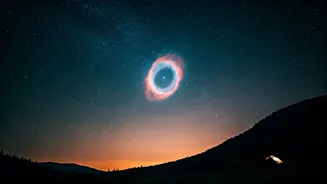


What is a Dark-Sky Escape?
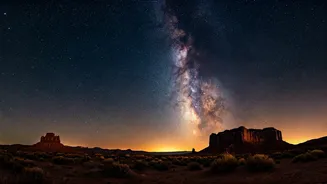
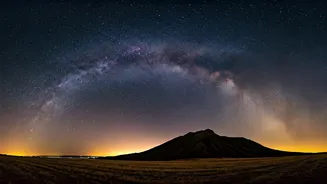
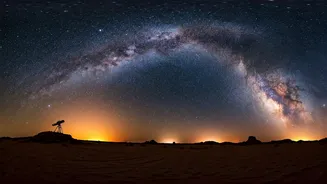
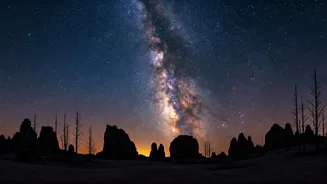
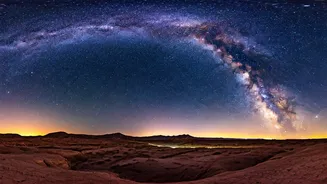
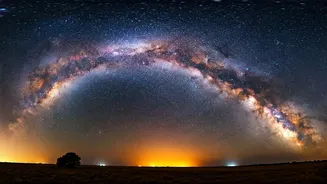
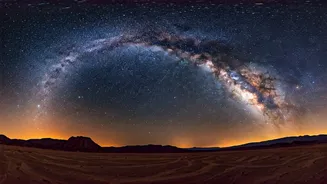
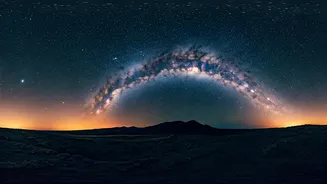
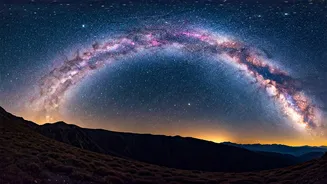
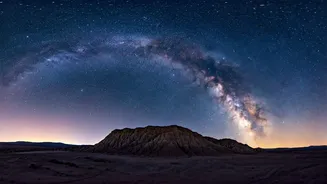
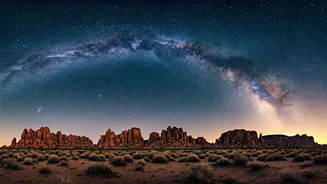
Forget infinity pools and all-day buffets. The hottest new travel destination is anywhere with minimal light pollution. A dark-sky escape, or ‘astrotourism’, is travel planned around the simple, profound experience of seeing the night sky as our ancestors
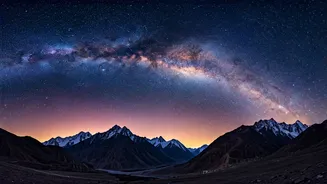
did: a brilliant, dense tapestry of stars, planets, and the Milky Way, unobscured by the artificial glow of urban life. These trips lead travellers to remote deserts, mountains, and designated ‘dark sky parks’ or ‘reserves’—areas officially recognised for their exceptional starry nights and protected against light pollution. The goal isn't just sightseeing; it's about experiencing a sense of awe and reconnecting with a fundamental part of the natural world that has been lost to most city dwellers.
The Search for a Digital Detox
A key driver behind this trend is the growing desire among Millennials and Gen Z for a genuine digital detox. This is a generation that grew up online, constantly bombarded by notifications, screens, and the pressure to be perpetually available. While a beach vacation might still involve scrolling through Instagram, a dark-sky destination often forces a disconnect. Limited mobile service in remote areas like Spiti or parts of Ladakh isn't a bug; it's a feature. The main event happens after sunset, encouraging travellers to put down their phones, engage with their surroundings, and have conversations around a campfire. It's a reaction against the burnout of modern life, offering mental clarity and a rare moment of quiet contemplation.
Authenticity Over Amenities
Younger travellers are increasingly prioritising unique experiences over conventional luxury. The carefully curated, picture-perfect vacation is being replaced by a search for something more authentic and memorable. Witnessing a meteor shower in the Rann of Kutch or identifying constellations in the Himalayas is an experience that can’t be easily replicated or commodified. It’s personal, profound, and offers incredible storytelling potential that goes beyond a typical tourist snapshot. This kind of travel feels less like a consumer transaction and more like a personal pilgrimage, fulfilling a need for experiences that foster growth, wonder, and a deeper connection to the planet.
India’s Starry Sanctuaries
You don't need an international flight to find cosmic clarity. India is home to several burgeoning astrotourism hotspots. The undisputed star is the Hanle Dark Sky Reserve in Ladakh, the first of its kind in India. Its high altitude and dry, clear weather offer some of the best stargazing conditions in the world. Beyond Ladakh, the stark, beautiful landscapes of Spiti Valley in Himachal Pradesh have long been a favourite for amateur astronomers. Even closer to urban centres, places like the salt flats of the Rann of Kutch in Gujarat and remote parts of Coorg in Karnataka provide stunning celestial shows away from the city haze. Homestays and local tour operators are quickly adapting, offering packages that include telescopes, guided stargazing sessions, and astrophotography workshops.
More Than Just Staring Up
The appeal of a dark-sky escape extends beyond the astronomical. It’s an entire ecosystem of experiences built around a slower, more deliberate pace. The journey often involves rugged road trips, trekking through pristine landscapes, and interacting with local communities whose way of life is deeply intertwined with nature. The evenings aren't just about astronomy; they're about storytelling, learning about local folklore related to the stars, and mastering the art of night photography. It represents a holistic form of travel where the destination, the journey, and the activity itself are all in service of a single, powerful goal: to disconnect from the mundane and reconnect with the magnificent.