

The Northern Staples: Grains, Tubers, and Rock Salt
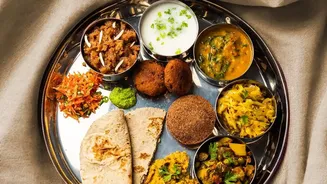
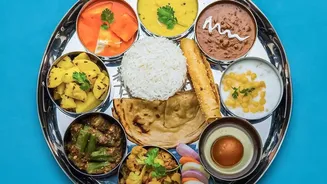
In North India, Navratri fasting, or 'vrat', involves abstaining from regular grains, onions, garlic, and common salt. The culinary landscape is dominated by a specific pantry of ingredients. Flours like Kuttu (buckwheat), Singhara (water chestnut), and Rajgira
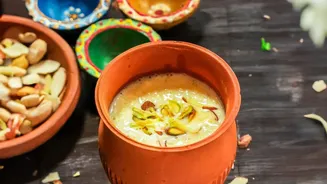
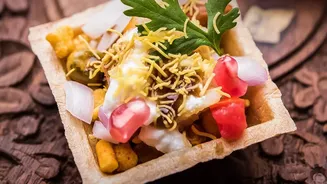
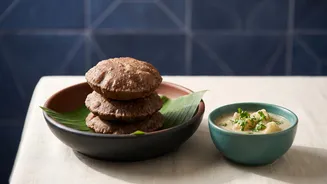
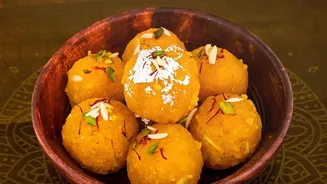
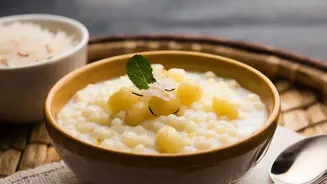
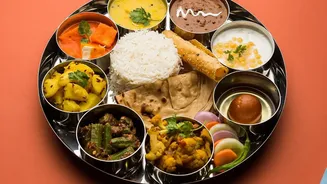
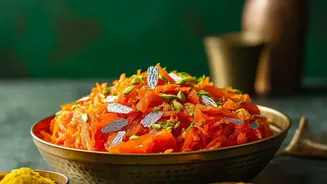
(amaranth) become the stars. These are used to prepare favourites like Kuttu ki Puri, crispy deep-fried breads often paired with a simple, tangy curry of potatoes and tomatoes cooked with rock salt (sendha namak). Other popular dishes include Samak ke Chawal ki Khichdi (barnyard millet khichdi), which provides a light yet filling meal. Snacks are equally important, with Sabudana Tikki (sago patties) and Shakarkandi Chaat (sweet potato chaat) offering satisfying bites for devotees. Desserts like Singhare ka Halwa round out the meal, providing energy and comfort during the fast.
Western India: The Reign of Sabudana
Travel west to states like Maharashtra and Gujarat, and you'll find Sabudana (tapioca pearls) at the heart of Navratri cuisine. The iconic Sabudana Khichdi, a delightful stir-fry of soaked sago, roasted peanuts, potatoes, and mild spices, is a breakfast staple. Another favourite is the crispy Sabudana Vada, a deep-fried patty that’s crunchy on the outside and soft on the inside, often served with a sweet yogurt dip. In Gujarat, the 'farali' (fasting) menu is extensive, featuring dishes like Rajgira Puri and Farali Pattice, a stuffed potato snack. While the fasting rules are similar to the North's, the flavour profiles often incorporate a hint of sweetness and tanginess, reflecting the regional palate. Barnyard millet, known as moraiyo in Gujarati, is used to make a popular khichdi.
Southern Offerings: A Sundal for Every Day
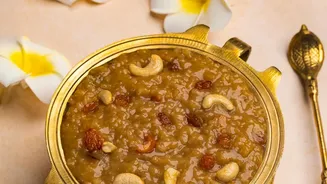
In South India, particularly Tamil Nadu, Navratri takes on a different culinary character. Instead of a restrictive fast, the focus is on offering a special 'naivedhyam' (offering to God) each day. The highlight of the celebration, especially during the Golu festival where dolls are displayed, is the tradition of making 'sundal'. A different type of sundal—a savoury salad made from legumes—is prepared for each of the nine nights. Varieties include those made from chickpeas, black-eyed peas, peanuts, and green gram. These are lightly tempered with mustard seeds, curry leaves, and grated coconut, creating a protein-rich and healthy 'prasadam' that is shared with visiting friends and family. While sweets like Payasam (kheer) are also prepared, the daily sundal is a unique and defining feature of Southern Navratri celebrations.
Eastern Feasting: Durga Puja’s Grand Bhog
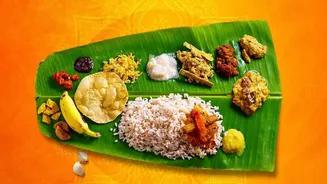
In West Bengal and other eastern states, Navratri coincides with Durga Puja, which is less about fasting and more about feasting. The community meal served in pandals is called 'bhog', a flavourful vegetarian spread offered to Goddess Durga before being distributed to devotees. The star of the bhog is almost always Bhoger Khichuri, a fragrant blend of roasted moong dal and gobindobhog rice, cooked to a porridge-like consistency with vegetables and aromatic spices. This is typically served with Labra, a mixed vegetable curry, Begun Bhaja (fried brinjal), and a sweet tomato chutney. Unlike fasting food, the bhog is a celebratory feast, meant to be enjoyed by the community. On some days, the menu might even include dishes with onion and garlic, and in some traditions, non-vegetarian food is served after the main puja days.