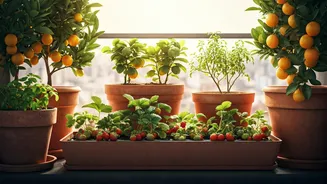





Why It's Easier Than You Think
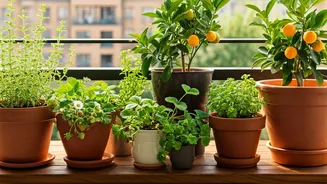
The belief that growing fruit trees requires immense space, expert knowledge, and endless patience is a common myth. In reality, many fruit varieties are perfectly suited for container gardening in India's diverse climates. With dwarf varieties and hardy
plants, you can cultivate a mini-orchard on a sunny terrace, balcony, or even a windowsill. The key is choosing the right plants that are known for being low-maintenance and productive. This journey offers more than just fresh produce; it’s a sustainable lifestyle choice that connects you with your food, saves money, and provides chemical-free, tastier options than what's often available in stores.
The Essentials for Getting Started
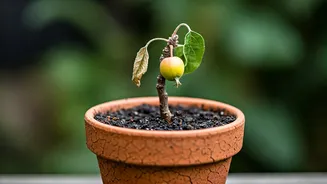
You don't need a lot of fancy equipment to begin. The basics are simple: a good-sized pot, the right soil mix, and a sunny spot. For most fruit plants, choose a container that is at least 16 to 24 inches wide and deep to give roots enough room to grow. Terracotta pots or grow bags are excellent choices as they are breathable. Ensure any container has drainage holes to prevent waterlogging. A healthy soil mix is the foundation; a common recommendation is a blend of garden soil (40%), compost like vermicompost (30%), coco peat for moisture retention (20%), and sand for drainage (10%). Finally, most fruit plants need at least six to eight hours of direct sunlight daily to flower and produce healthy fruit.
The Quick-Fruiting Papaya
If you're looking for fast results, papaya is an excellent choice. These plants grow incredibly quickly and can start producing fruit within a year, sometimes in as little as eight months. They are well-suited for large pots and don't take up too much horizontal space. You can easily start them from the seeds of a ripe papaya. Just clean and dry the seeds before planting. Papayas love warmth and plenty of sunlight. Water regularly, but make sure the soil is well-drained. With a little care, you'll have a steady supply of tropical fruit for much of the year.
The Ever-Reliable Lemon
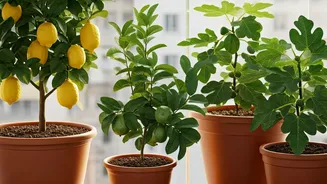
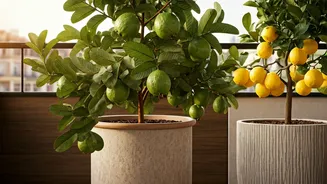
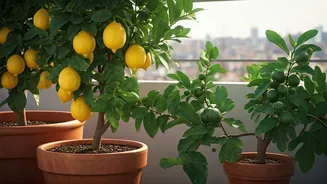
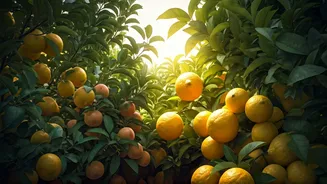
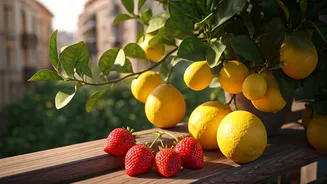
A lemon plant is a must-have in many Indian households for a reason. It's one of the easiest citrus plants to grow in a pot and can provide fruit almost year-round. Lemon trees thrive in containers placed in a sunny spot on a balcony or terrace. They need consistent watering; the soil should be kept moist but not waterlogged, as dry soil can cause leaves to drop. Using a slow-release organic fertiliser will ensure the plant gets the steady nutrients it needs to produce an abundance of lemons for your daily use in cooking and drinks.
The Hardy and Sweet Guava
Guava trees are famously resilient and adapt well to various Indian climates and soil types, making them a superb choice for beginners. Dwarf varieties are perfect for container gardening and can begin fruiting within a few months to a year. Guavas are not very demanding, requiring plenty of sunshine and moderate watering. In many Indian climates, a healthy guava plant can even produce fruit twice a year. They are rich in Vitamin C and a favourite for their sweet, unique flavour.
The Surprising Strawberry
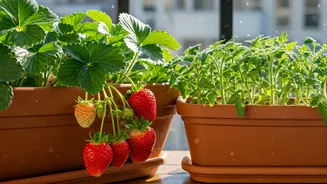
Many people don't realise that strawberries can be grown successfully at home, even in smaller pots or hanging baskets. They are one of the fastest-growing fruit plants, especially during the cooler winter months in many parts of India. You can buy healthy seedlings from a local nursery to get a head start. The ideal potting mix should be light and include compost and coco peat. Strawberries don't require deep pots but do need good drainage and should not be overwatered. With a bit of care, you can enjoy these delightful berries fresh from the plant.
The Resilient Pomegranate
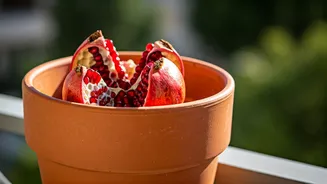
Pomegranate plants are another fantastic option for home gardeners, known for their tolerance to heat and drier conditions. This makes them well-suited for many Indian regions. Dwarf varieties have been developed that are perfect for growing in large containers, and they make an attractive addition to any garden with their vibrant red fruits. The plant requires a sunny spot and well-drained soil to thrive. Once established, it is relatively low-maintenance and rewards the patient gardener with fruit packed with antioxidants.