



The Homestay Advantage
For the budget-conscious Indian backpacker, Arunachal Pradesh presents a unique proposition. While not the cheapest destination due to its remoteness and reliance on vehicle transport, it offers unparalleled value through its network of village homestays.
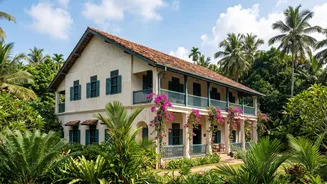
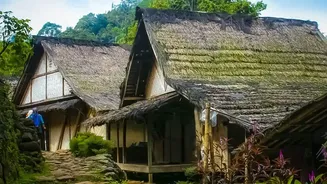
These aren't just a place to sleep; they are a gateway into the local culture. Unlike conventional hotels, homestays provide an intimate look into the lives of the diverse tribes that call this state home. For a nightly cost that can be as low as ₹800-₹1500, travelers get a comfortable bed, home-cooked meals, and priceless interactions with host families, making it the most sustainable and enriching way to explore the region. This model benefits everyone, funneling tourist money directly into local communities.
Planning Your Route
Arunachal's sheer size and varied terrain mean a bit of planning is essential. The government has laid out several tourist circuits to help guide travelers. For first-timers, the western circuit is the most popular, covering Bomdila, Dirang, and the famous Tawang Monastery. This route is well-trodden, with plenty of homestays and shared taxis. More adventurous backpackers might head to central Arunachal to explore the Apatani culture in Ziro Valley, a UNESCO World Heritage site known for its lush paddy fields and unique tribal traditions. Further east, the areas around Mechuka and the Dibang Valley offer a truly offbeat experience for those willing to brave more rugged paths.
The All-Important Inner Line Permit (ILP)
Before you pack your bags, there’s a critical piece of paperwork every Indian citizen (who is not a resident of the state) needs: the Inner Line Permit (ILP). This government-issued document is mandatory for entry and is designed to protect the region's fragile ecosystem and indigenous cultures. Thankfully, the process is now streamlined. You can apply for an e-ILP online through the official government portal. The permit is typically processed within a few working days and is required to be shown at various checkpoints throughout the state. Do not attempt to enter without it, as you will be turned back.
Life in a Village Homestay
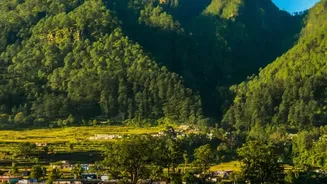
The real magic of this travel style unfolds inside the homestays. Mornings often begin with a cup of local tea, shared with your host family against a backdrop of stunning mountain views. Meals are a highlight—simple, organic, and delicious, often featuring ingredients grown in the family's own garden. Evenings are spent sharing stories around a fire or in the kitchen, learning about the customs of tribes like the Monpa in Tawang, the Apatani in Ziro, or the Memba in Mechuka. It's a far cry from the anonymous experience of a hotel. This is slow travel at its best, where the connection with people becomes as memorable as the landscapes.
Budgeting Your Backpacking Trip
While transport can be the biggest expense in Arunachal due to long distances and reliance on jeeps or Sumos, savvy backpackers keep costs down by using shared vehicles. A typical daily budget for a backpacker can range from ₹1,500 to ₹2,500. This would cover a homestay (around ₹800-₹1200), food (₹400-₹600), and a buffer for shared transport. A 5-day trip can be realistically managed within a budget of ₹15,000 if planned well. The key is to travel in a small group to split vehicle costs, eat local, and prioritize the free attractions that Arunachal offers in abundance: its monasteries, its landscapes, and its villages.