
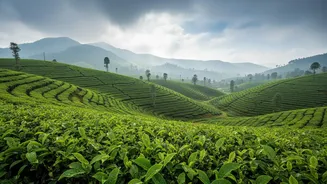


An Unpredictable Monsoon Season
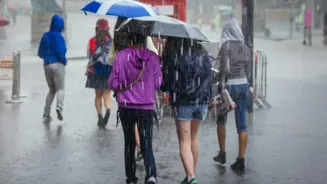
This year's monsoon season is making its presence felt with significant rainfall across various parts of India. The India Meteorological Department (IMD) has issued alerts for heavy to very heavy rainfall in several states, including those in the northeast,
west, and south. Intense spells have already led to waterlogging, road closures, and widespread train and flight disruptions in affected areas. For travellers, this means that even the most meticulously planned itinerary can be upended with little warning. A journey to a hill station could be blocked by a landslide, a flight delayed by poor visibility, or a train service cancelled due to flooded tracks. These are not just minor inconvenconveniences; they can derail your entire trip, leaving you stranded and out of pocket.
Flexibility: Your Monsoon Travel Essential
In the face of such uncertainty, flexibility in your travel plans is no longer a luxury but an absolute necessity. It acts as a financial and logistical safety net, allowing you to adapt to changing conditions without significant stress or monetary loss. A flexible booking isn't just about being able to change your mind; it's about having the power to respond to external events beyond your control. Whether it’s a weather warning or a transport cancellation, having the ability to alter your plans without penalty provides invaluable peace of mind. This approach transforms a potential travel crisis into a manageable hiccup, ensuring the weather complements your journey rather than dictates it.
Decoding Flexible Accommodation
When booking hotels, actively look for options with “free cancellation” or “pay-at-hotel” policies. Major booking platforms make this easy with dedicated filters. These policies allow you to reserve a room in advance, often securing a better rate, while retaining the freedom to cancel if your travel plans are disrupted. It’s crucial, however, to read the fine print. Pay close attention to the cancellation deadline, which is typically 24 to 72 hours before check-in. Missing this window could result in a penalty, often the cost of the first night. Also, consider booking directly with hotels, as some offer special monsoon packages with flexible stay windows. For shorter, more uncertain layovers caused by train delays, hourly hotel booking services are also becoming a popular, cost-effective option.
Smarter Flight and Train Bookings
The principle of flexibility extends to transport as well. Most Indian airlines, including Air India and Air India Express, now offer different fare categories. Opting for a 'Flex' fare might cost slightly more upfront but can save you from hefty rescheduling fees if your plans change. These fares often allow for unlimited or low-cost changes, providing a crucial buffer during the unpredictable monsoon. For train travel, which is frequently affected by track flooding and landslides, it's wise to be prepared for delays. If a train is cancelled, tickets booked online via IRCTC are typically refunded automatically, but for counter tickets, you must claim a refund in person. Always check the live status of your flight or train before heading out.
The Overlooked Value of Travel Insurance
While flexible bookings for hotels and flights are your first line of defence, travel insurance provides an essential secondary layer of protection. A standard policy may not be enough; look for plans that explicitly cover trip cancellations and interruptions due to weather-related events and natural calamities. This can help you recover non-refundable expenses for pre-booked tours, activities, and accommodation that fall outside the cancellation window. Some comprehensive plans may even reimburse you for alternative travel arrangements if your original transport is cancelled. Given the heightened risks of the monsoon, from health issues like mosquito-borne illnesses to travel disruptions, the right insurance policy is a smart investment.