


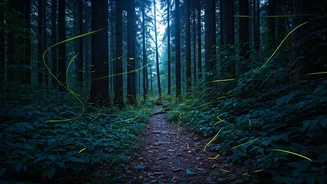


What Makes This Sight So Special?
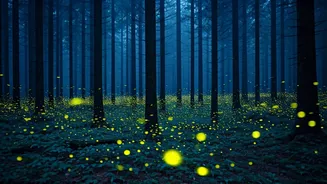
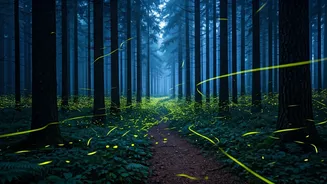
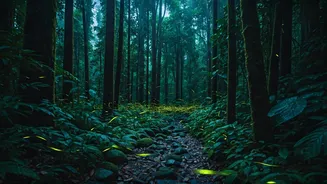
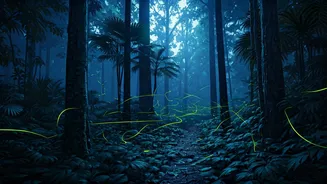
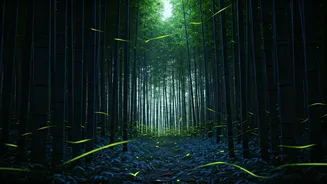
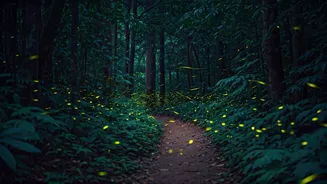
This breathtaking spectacle is the work of bioluminescent fireflies, specifically species that engage in a rare phenomenon known as synchronous flashing. During their brief mating season, thousands of male fireflies gather and flash their lights in unison
to attract females. The effect is a hypnotic, pulsating wave of light that flows through the forest. What makes the experience in the southern hills of the Western Ghats so unique is the setting. The fireflies congregate in specific types of bamboo groves, their collective glow reflecting off the smooth, pale green stalks, amplifying the magic and creating an immersive, otherworldly environment. This is nature's own light show, an ancient ritual that unfolds for just a few weeks each year.
When and Where to Go
The magic window for this event is short and entirely dependent on the weather. The fireflies typically appear in the pre-monsoon season, from late April to early June. The rising humidity and warmth create the perfect conditions for them to emerge and begin their mating dance. The main location for this phenomenon is the Anamalai Tiger Reserve in Tamil Nadu and the adjoining Parambikulam Tiger Reserve in Kerala. These protected areas within the Western Ghats host the specific bamboo species and pristine forest conditions that the fireflies need to thrive. Access to these areas is strictly regulated, so you cannot simply wander in. You must plan your visit around official eco-tourism programs.
Planning Your Trip
A trip to see the fireflies requires careful planning. Since the key locations are within protected tiger reserves, your best bet is to book a stay at one of the forest department's accommodations or eco-tourism centres. Many of these offer guided night walks specifically for firefly viewing. Independent travel into these core areas at night is prohibited for safety and conservation reasons. Book well in advance, as the season is short and spots are limited. When packing, think practical: comfortable walking shoes, long-sleeved shirts and trousers to protect against insects, and a lightweight rain jacket for unexpected pre-monsoon showers. Your tour will likely be led by local guides who know the terrain and the fireflies’ habits intimately.
The Responsible Visitor’s Guide
Witnessing this spectacle is a privilege, and it's crucial to be a responsible visitor to ensure the fireflies continue to thrive. The insects are highly sensitive to their environment, especially light and sound. The number one rule is to minimise your impact. Do not use flash photography, as the bright, sudden light can disrupt their mating patterns and cause them to stop flashing. Similarly, avoid using bright white torches. If you must use a light, cover it with a red filter (cellophane works well), as fireflies are less sensitive to red wavelengths. Maintain silence and walk softly. Loud noises can stress the insects and ruin the serene experience for everyone. And it should go without saying: never attempt to catch the fireflies. Observe their beauty from a respectful distance.
Beyond the Fireflies
While the fireflies are the main draw, a trip to the Anamalai region offers a wealth of natural beauty. These forests are biodiversity hotspots, home to elephants, gaurs, lion-tailed macaques, and hundreds of bird species. Use the daylight hours to explore the park through a jungle safari or a guided trek. Visiting this area is not just about seeing one specific phenomenon; it's about immersing yourself in one of India's most vibrant ecosystems. By supporting the official, community-based eco-tourism initiatives, you are not only getting a safe and authentic experience but also contributing to the conservation of this fragile environment and providing livelihoods for the local communities who are its guardians.