






As the air turns crisp and cool, the allure of an outdoor workout remains strong. But have you ever wondered how the dropping temperatures affect your body's performance? Let's explore the science of exercising in the cold, especially how it impacts oxygen
delivery to your hardworking muscles.
Your Body's First Response to Cold
The moment you step into the cold, your body initiates a clever defence mechanism to preserve its core temperature. This primary response is called vasoconstriction. Your blood vessels, particularly those in your extremities like your hands, feet, and skin, begin to narrow. This process reduces blood flow to the surface, shunting warmer blood towards your vital organs to keep them protected and functioning properly. While this is an essential survival instinct to prevent heat loss, it sets the stage for several changes in how your muscles perform during exercise. Your heart also begins to work harder to pump blood through these narrowed vessels, which can lead to an increase in blood pressure.
The Muscle Oxygen Delivery Challenge
Here's the crucial part for your workout: that same vasoconstriction that keeps your core warm can pose a challenge for your muscles. Reduced blood flow means less oxygen and fewer nutrients are delivered to the muscles you're using. Oxygen is the fuel your muscles need to generate energy and sustain effort. When this supply is limited, your muscles may fatigue more quickly and produce less force. Think of it like a traffic jam on a highway; even though the fuel (oxygen) is in your system, it has a harder time reaching its destination. This can make your usual run feel more strenuous, and you might notice a decline in your overall strength and endurance.
Does Cold Air Hurt Your Lungs?
A common concern is the feeling of breathing in sharp, cold air. It can sometimes cause a burning sensation or even trigger breathing difficulties for some. When you inhale cold, dry air, your body works to warm and humidify it before it reaches your lungs. This process can irritate your airways. For most people, this is a temporary discomfort. However, for individuals with conditions like asthma, the cold can act as a trigger, so it’s wise to take extra precautions, such as wearing a scarf or mask over your mouth to help warm the air before you breathe it in.
The Non-Negotiable Warm-Up
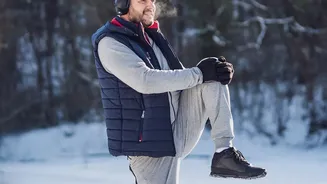
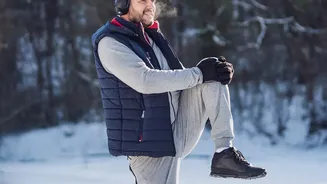
Given that your muscles are already at a disadvantage in the cold, a proper warm_up becomes more critical than ever. Cold muscles are tighter, less flexible, and more prone to injury. Jumping straight into an intense workout without preparing your body is a recipe for strains and sprains. Dedicate at least 10 to 15 minutes to a dynamic warm_up. This involves light activity like jogging, marching in place, and active movements like arm circles and leg swings to increase your heart rate and raise your muscle temperature gradually. This helps to counteract some of the initial vasoconstriction and prepares your muscles for the work ahead.
Layering: Your Best Defence
Dressing appropriately is key to a comfortable and safe cold_weather workout. The best strategy is to dress in several thin layers rather than one bulky one. Start with a base layer made of a synthetic, moisture_wicking material (like polyester) that pulls sweat away from your skin. Cotton is a poor choice as it holds moisture and will make you feel colder. Add a middle layer of fleece or wool for insulation. Finally, top it off with a waterproof and windproof outer shell to protect you from the elements. Don't forget to protect your extremities; a hat is essential as a significant amount of body heat is lost through your head, and gloves are a must.
Listen to Your Body's Signals
While exercising in the cold has benefits, including potentially burning more calories and strengthening your heart, it's vital to pay attention to your body. Your body uses more energy in the cold to keep warm, which can lead to faster fatigue. Shivering is a clear sign that your body is losing heat too quickly and it's time to head indoors. Pay attention to your fingers, toes, ears, and nose for any signs of numbness, which could be the start of frostbite. Also, remember that your sense of thirst can be diminished by up to 40% in the cold, so make a conscious effort to stay hydrated even if you don't feel thirsty.