








What Exactly Is Changing?
The phrase “payment details” doesn’t mean your ITR form now has a field for every UPI or credit card transaction. Instead, the change is happening in the background, within your Annual Information Statement (AIS). The AIS is a comprehensive report card of
your financial activities for a year, linked to your PAN. The Income Tax Department has expanded the scope of information it collects from various financial entities like banks, mutual fund houses, and registrars. This means more of your financial life, including certain high-value transactions, is now automatically reported and reflected in your AIS.
The Data Trail: Where It All Comes From
The tax department isn't monitoring your daily coffee purchase. It's interested in specific, high-value transactions that financial institutions are legally required to report under the Statement of Financial Transactions (SFT) framework. This includes activities like cash deposits in a savings account aggregating to ₹10 lakh or more in a financial year, or credit card payments exceeding certain thresholds (₹1 lakh in cash or ₹10 lakh via other modes). Even significant mutual fund investments, property purchases, and foreign currency transactions are reported. This data flows directly into your AIS, giving the department a detailed picture of your financial footprint.
Convenience Meets Compliance
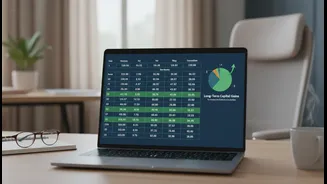
The primary goal of this initiative is to make tax filing easier and encourage voluntary compliance. Much of this information will be pre-filled in your ITR form, saving you time and reducing the chance of accidentally omitting income. However, this convenience comes with a catch: increased transparency. The system can now easily compare the spending patterns and investments listed in your AIS with the income you declare in your ITR. Any significant mismatch could automatically flag your return for further scrutiny, potentially leading to questions or a notice from the tax department.
Your Action Plan: Verify, Don't Trust Blindly
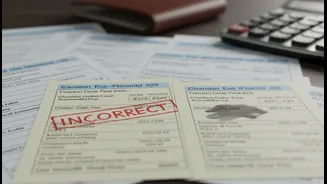
The golden rule for taxpayers in this new environment is to never assume the pre-filled data is completely accurate. The ultimate responsibility for filing a correct and complete tax return remains with you. Before filing your ITR, log in to the e-filing portal and carefully review both your Form 26AS and your Annual Information Statement (AIS). Compare the information with your own records, such as bank statements, salary slips, and investment summaries. If you find a discrepancy in the AIS—for example, a transaction that is incorrect, duplicated, or belongs to someone else—you have the ability to submit feedback online to correct it. Ignoring errors can lead to complications later.
What If My Spending Exceeds My Income?
It’s not uncommon for high-value transactions in a year to exceed your taxable income, and there are legitimate reasons for it. You might have used past savings, received a gift from a relative, taken out a loan, or had tax-free income like a PPF maturity. The key is to maintain proper documentation for these sources of funds. Keeping good records, such as gift deeds, loan agreements, or withdrawal statements, will be crucial if the tax department ever asks for clarification. A clear paper trail is your best defense against potential scrutiny arising from a mismatch between your AIS and your declared income.