




Beyond the Usual Suspects
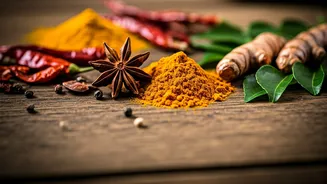
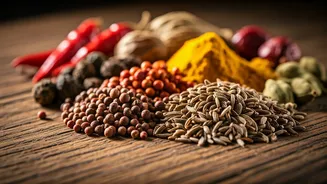
For generations, the rhythm of the Indian kitchen has been dictated by a familiar palette of spices: turmeric, cumin, coriander, and chilli. They form the backbone of countless dishes, their aromas a comforting constant in homes across the nation. But
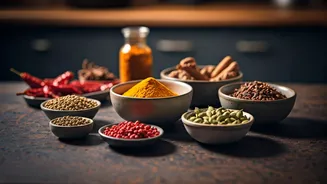
what if this was only part of the story? A growing movement in the Indian food world is looking beyond these staples, digging deep into the country's diverse culinary history to unearth spices that have been overlooked or confined to specific regions. This is more than just a search for new flavours; it's a quest for identity, a way of reconnecting with a heritage that is as rich and varied as the spices themselves. Chefs are acting like culinary archaeologists, uncovering gems like the smoky Dagad Phool (stone flower) from Maharashtra or the celery-like Radhuni from Bengal, and using them to write the next chapter of Indian food.
The Tale of Two Powerhouses
Nowhere is this trend more vibrant than in the stories of specific spices that are capturing the imagination of the food world. Take Lakadong turmeric from Meghalaya. Grown in the Jaintia Hills, this variety boasts a curcumin content of 7-12%, significantly higher than the 2-3% found in regular turmeric, giving it a more intense colour, flavour, and a host of health benefits. Once a local secret, it received a GI tag in 2024 and is now appearing in everything from high-end restaurant dishes like nalli nihari to wellness-focused turmeric lattes. Similarly, the Bhut Jolokia, or ghost pepper, from Northeast India is being re-evaluated. Once known globally primarily for its extreme heat, chefs are now exploring its unique smoky, fruity undertones, using it to add a balanced, complex kick to curries, sauces, and even cocktails rather than just as a challenge to be endured.
The Aroma King of Bengal
Another star of this revival is the Gondhoraj Lebu, the 'king of fragrance' lime from Bengal. Not particularly juicy, its power lies in its incredibly aromatic rind and leaves. Traditionally, a squeeze over a simple dal and rice was enough to elevate a meal to celestial heights. Now, chefs and even alcohol brands are harnessing its unique floral, citrusy scent. From Gondhoraj-infused gin to zesty marinades for fish and chicken, this humble lime is stepping out of the Bengali home kitchen and onto modern menus, proving that a powerful story can be rooted in aroma alone. Its journey shows how a single, hyper-regional ingredient can inspire a wave of creativity.
From Fine Dining to Home Kitchens
This embrace of local spice heritage isn't confined to Michelin-starred restaurants. It's a trend that's finding its way into everyday life. Artisanal brands are creating and marketing regional spice blends, making it easier for home cooks to experiment with flavours like Maharashtra's Goda Masala or the five-spice Panch Phoron from the East. This movement encourages a deeper appreciation for the nuance in Indian cooking, moving away from the idea of a single, generic 'curry'. It highlights that a fish curry in Kerala, using smoked kodampuli (Malabar tamarind), is worlds apart from one in Bengal, and that's a diversity to be celebrated. This shift is empowering people to not only cook with these spices but to understand the culture and history they represent.