





Swap Heavy Creams for a Lightweight Cleanser
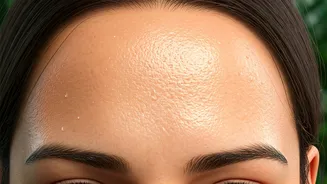
During the monsoon, increased humidity signals your skin to produce more oil (sebum), which can mix with sweat and pollution to clog pores. [13, 26] That rich, creamy cleanser that felt so nourishing in the winter might now be contributing to congestion
by leaving a residue. [13, 15] A simple swap to a gentle, foaming or gel-based cleanser is a game-changer. These formulations are designed to effectively remove excess oil and grime without stripping the skin of its natural moisture. [5, 13] For those prone to acne, consider a cleanser with salicylic acid, an ingredient that penetrates oily pores to help prevent breakouts. [13, 29] A good monsoon cleanser should be non-comedogenic, meaning it won't clog pores, and free of harsh sulfates that can trigger rebound oiliness. [15, 26]
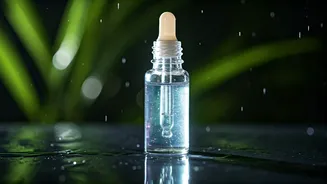
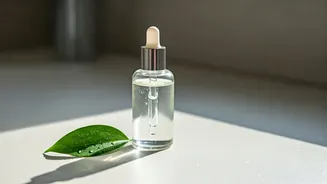
Swap Your Rich Moisturiser for a Gel-Based Formula
It might seem counterintuitive to moisturise when the air feels damp, but skipping this step can cause your skin to produce even more oil to compensate. [4] The key is to switch *what* you use, not to stop altogether. Heavy, occlusive creams create a thick barrier, which can feel suffocating and lead to clogged pores in high humidity. [3, 29] Instead, swap your rich cream for a lightweight gel or water-based moisturiser. [9, 28, 30] These formulas are packed with humectants like hyaluronic acid and glycerin. [6, 17] Humectants work by drawing moisture from the humid air and holding it in your skin, providing all the hydration you need without the greasy feel. [6, 26] Look for products labelled 'oil-free' and 'non-comedogenic' for a fresh, hydrated feel. [17, 22]
Swap Harsh Scrubs for Gentle Chemical Exfoliants
Exfoliation is crucial during the monsoon to remove dead skin cells and prevent clogged pores, but how you do it matters. [5] High humidity can make the skin more sensitive, and aggressive physical scrubs with large, gritty particles can cause micro-tears and irritation. [23, 25] A smarter swap is to use a gentle chemical exfoliant two to three times a week. [2, 5] Products containing Alpha Hydroxy Acids (AHAs) like glycolic acid or Beta Hydroxy Acids (BHAs) like salicylic acid work to dissolve the bonds holding dead cells to the surface, revealing brighter skin. [5, 11] BHAs are particularly effective during monsoon as they are oil-soluble and can deeply clean pores, helping to manage breakouts. [23, 29]
Swap Heavy Foundation for a Lighter Alternative
Thick layers of makeup can be a recipe for disaster in humid weather, trapping sweat and oil, which can lead to clogged pores and acne. [4, 8, 20] Letting your skin breathe is essential during the monsoon. [8, 20] Consider swapping your heavy, full-coverage foundation for a more lightweight option. Tinted moisturisers, BB creams, or even a powder foundation can provide enough coverage to even out your skin tone while feeling significantly more comfortable. [21] These lighter products are less likely to melt in the humidity and will give your skin a chance to breathe, reducing the risk of breakouts. [4, 21]
Swap Your Regular Sunscreen for a Water-Resistant One
One of the biggest monsoon skincare mistakes is skipping sunscreen on cloudy days. Up to 80% of the sun's harmful UV rays can penetrate through clouds, so daily protection is non-negotiable. [12, 18] However, the humidity and rain call for a specific type of formula. Your regular sunscreen might sweat off or wash away in a downpour, leaving you unprotected. [12] The ideal swap is a broad-spectrum sunscreen with an SPF of 30 or higher that is labelled 'water-resistant' or 'sweat-proof'. [4, 10, 12] For oily or acne-prone skin, a gel-based, matte-finish, or non-comedogenic sunscreen will feel more comfortable and is less likely to cause breakouts. [7, 16, 27]