





The Dream vs. The Reality
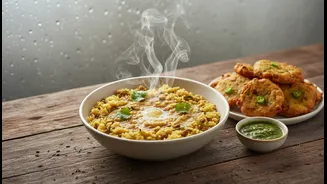
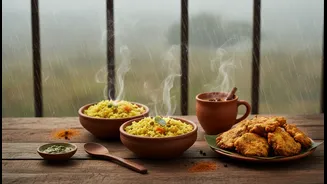
Picture this: a steady downpour outside, a comfortable spot by the window, and a plate of perfectly crisp, steaming hot pakoras accompanied by a fragrant cup of masala chai. It’s the quintessential monsoon fantasy, an image heavily romanticized in movies
and cafes. We all chase this feeling—the simple, profound joy of comfort food during a downpour. The reality for many home cooks, however, can be quite different. A spontaneous decision to make bhajis can quickly descend into a frantic search for besan, realising the ginger has gone soft, or battling with batter that refuses to crisp up. The high humidity of the Indian monsoon means ingredients clump together, oils act differently, and food spoils faster. Without a plan, the dream of a serene, cafe-style experience can easily become a frustrating kitchen misadventure, resulting in oily, limp pakoras and a sense of defeat.
Why Preparation is Everything
The difference between a cafe and a home kitchen isn't magic; it's preparation. Cafes have their stations prepped, ingredients measured, and workflows established. Recreating that success at home doesn't require a professional kitchen, but it does demand a little foresight. This is especially true during the monsoon, a season that presents unique challenges. High humidity can turn crisp biscuits soggy and cause flour and spices to clump. Vegetables can spoil faster, and the desire for a quick snack can lead to risky compromises with hygiene. A practical checklist acts as your roadmap. It helps you counter the season's specific challenges, ensuring you have everything you need before the cravings hit. It shifts the process from a reactive, chaotic scramble to a proactive, enjoyable activity, allowing you to focus on the pleasure of cooking and eating.
The Pre-Monsoon Pantry Audit
The foundation of any good monsoon snack session is a well-stocked pantry. Before the season fully sets in, take an hour to audit your supplies. This is the most critical step. High moisture levels can spoil dry goods quickly. Transfer flours like besan (gram flour), rice flour, and maida into airtight containers. Check your spices for clumping or loss of aroma; this is a sign they've absorbed moisture. Key items for your checklist include: besan, rice flour (for extra crispiness), a variety of dals, and essential spices like ajwain (carom seeds), turmeric, red chilli powder, and chaat masala. Ensure you have ample cooking oil with a high smoke point. Check your stock of sugar, salt, and tea leaves. A bay leaf placed in your dal and rice containers can help deter pests.
Your Fresh Ingredients Game Plan
While you can stock dry goods, fresh ingredients require more frequent purchasing. However, you can still plan ahead. Your checklist should include staples for classic monsoon snacks: onions, potatoes, spinach, and chillies are all essential for various pakoras. Don't forget the aromatics that elevate everything: fresh ginger, garlic, and coriander. For your masala chai, whole spices like cardamom, cloves, cinnamon, and black pepper will deliver a far superior flavour compared to pre-made powders. Due to the high humidity, it's wise to buy fresh produce in smaller quantities more often to avoid spoilage. Store ginger and chillies in the refrigerator to prolong their life.
The Frying Masterclass: Batter and Oil
The secret to cafe-style pakoras lies in two things: the batter and the oil temperature. Your checklist should have a reminder for both. The batter consistency is key; it should be thick enough to coat your vegetables but not so thick that the inside remains uncooked. A common mistake is making the batter too watery. For extra crispiness, add a tablespoon or two of hot oil or rice flour to your besan batter. When it comes to frying, the oil temperature must be just right—medium hot. If it’s too hot, the pakoras will brown instantly while remaining raw inside. If it’s not hot enough, they will soak up oil and become greasy. Test the oil by dropping a tiny bit of batter; if it sizzles and rises to the top steadily, you're ready to go.
Elevating the Experience: Ambiance and Serving
Finally, the cafe experience is about more than just the food. It’s a complete sensory package. Your checklist can include a small section on ambiance. This doesn’t require a major effort. It can be as simple as putting on a favourite rainy-day playlist, lighting a candle, or choosing your favourite ceramic mugs for the chai. Serve your hot snacks on a nice platter with a side of mint-coriander chutney or tamarind chutney. Having these chutneys pre-made and stored in the fridge is a great pro-tip. When you serve your homemade creations with a little care and attention, it elevates the entire experience from a simple snack to a cherished monsoon ritual.