




The Monsoon Dilemma for Mountain Lovers
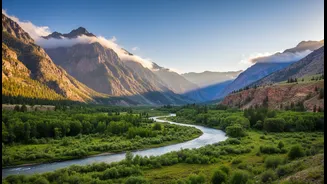
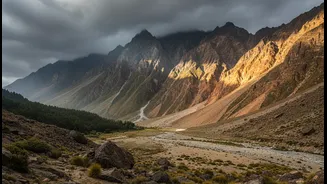
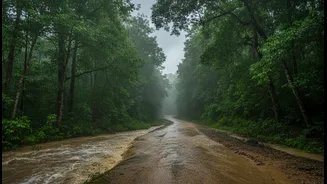
For many, the Indian monsoon conjures images of lush green hills and misty landscapes. However, for those living in or travelling to mountain regions like the Himalayas and Western Ghats, it's also a time of high alert. Intense rainfall saturates the soil
on steep slopes, dramatically increasing the risk of landslides that can block roads, isolate villages, and pose a serious threat to life. Every year, news of such events in popular tourist destinations forces travellers to cancel plans or face dangerous uncertainty. This perennial risk makes finding a safe mountain destination during the rainy season a significant challenge.
Understanding Nature’s Umbrella: The Rain-Shadow Effect
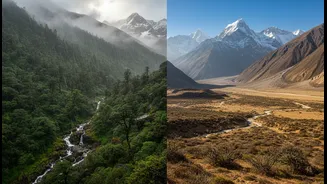
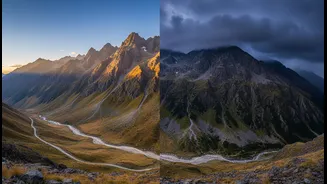
The key to finding these safe zones lies in a simple geographical phenomenon: the rain-shadow effect. It occurs when a mountain range acts as a massive barrier to moisture-laden winds, like the southwest monsoon. As these winds are forced to rise up the mountain's windward side, the air cools, and its moisture condenses into heavy rainfall. By the time the air crosses over the peak and descends on the other side—the leeward side—it has lost most of its moisture. This descending air warms up and becomes dry, creating an arid or semi-arid climate in the mountain's 'shadow'. Put simply, one side of the mountain gets drenched while the other remains dry.
India's Famous Rain-Shadow Sanctuaries
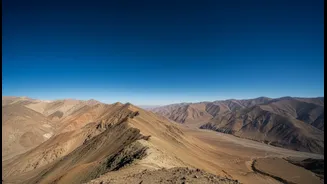
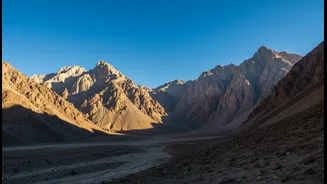
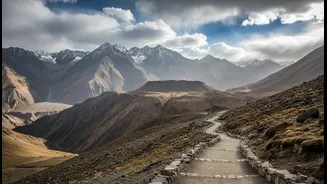
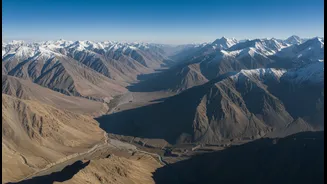
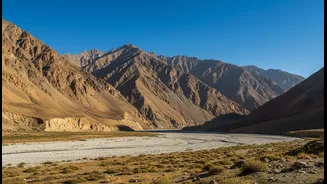
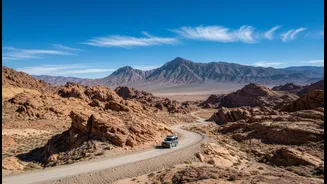
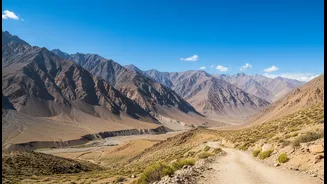
India is home to several prominent rain-shadow regions that have become popular tourist destinations, especially during the monsoon. The most famous examples are in the trans-Himalayan region. Ladakh and Himachal's Spiti Valley are classic cold deserts that lie behind the main Himalayan ranges, which block the monsoon clouds. While the rest of the country experiences heavy downpours from June to September, these areas see clear skies and sunny days, receiving minimal rainfall. This makes them ideal for travel when other hill stations are risky. Another example is the eastern side of the Western Ghats, including parts of the Deccan Plateau, which receives significantly less rain than the coastal areas on the windward side.
Why Less Rain Means More Safety
The connection between the rain-shadow effect and tourist safety is direct and clear. Landslides are most often triggered by the oversaturation of soil, which loses its ability to hold together under the weight of continuous, heavy rain. In rain-shadow areas like Ladakh and Spiti, the fundamental trigger for most monsoon landslides is absent. With very little precipitation, the soil remains stable, and the risk of catastrophic mudflows or rockfalls is drastically reduced. While the approach roads to these regions, which cut through the rainy windward side, can still be vulnerable to blockages, the destinations themselves offer a high degree of safety from weather-related hazards. This allows for trekking, sightseeing, and road trips to continue unabated.
Planning Your Safe Monsoon Getaway
If you're planning a trip to a rain-shadow region during the monsoon, preparation is still key. While the destination may be dry, the journey there might not be. The highways leading to Ladakh and Spiti, for example, often pass through areas that receive heavy rain. It is crucial to check road conditions before and during your travel, as landslides on these approach routes can cause significant delays. Experts advise adding buffer days to your itinerary and starting your driving day early, as water crossings are at their lowest levels in the morning. Once inside the rain-shadow zone, you can expect a different kind of beauty—stark, barren landscapes, dramatic canyons, and a unique culture shaped by the arid environment. These regions offer a truly distinct and, most importantly, safer way to experience the mountains during the monsoon.