

A Nationwide Shift in Habit
The move towards healthier snacking is no longer a trend confined to urban elites or fitness enthusiasts; it's a nationwide phenomenon. This shift is powered by a perfect storm of factors: rising disposable incomes, a growing middle class, and most importantly,
a surge in health and wellness awareness. With growing concerns around lifestyle diseases like diabetes and heart conditions, many Indians are proactively seeking out nutritious alternatives to traditional fried and processed snacks. This isn't just about cutting calories; it's about making more intentional food choices. Busy, urbanised lifestyles also play a huge role, creating a demand for convenient, on-the-go options that don't compromise on health.
Redefining 'Healthy': Baked, Not Fried
For many consumers, the first step towards healthier snacking is simple: choosing baked or roasted over deep-fried. This change is a direct response to a desire for snacks with less oil, fat, and calories. Brands have taken notice, launching a wave of baked namkeens, multigrain crisps, and oven-roasted bites that offer familiar flavours in a lighter format. The Indian healthy snacks market is now seeing a clear preference for these alternatives, as consumers actively look for labels like "baked," "roasted," and "low-fat." While fried snacks remain popular, especially in the mass market, baked options are rapidly capturing the premium and urban segments.
The Mighty Comeback of Millets and Makhana
A fascinating part of this trend is the rediscovery of ancient Indian ingredients, now repackaged for the modern consumer. Millets like ragi, jowar, and bajra, once seen as traditional staples, are now the hero ingredients in everything from chips and puffs to cookies and crackers. This resurgence is backed by both a consumer push for gluten-free options and government initiatives promoting these nutrient-dense grains. Similarly, makhana (fox nuts) has transformed from a traditional fasting food into an everyday superstar snack. Roasted and seasoned, makhana is now a popular, crunchy alternative to potato chips, valued for its protein and fibre content.
The Quest for Protein and Plant-Based Power
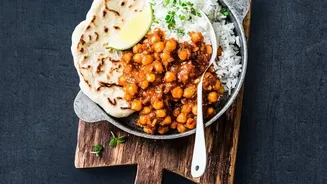
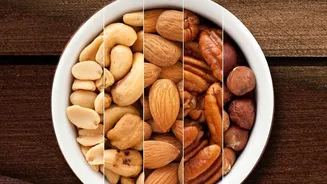
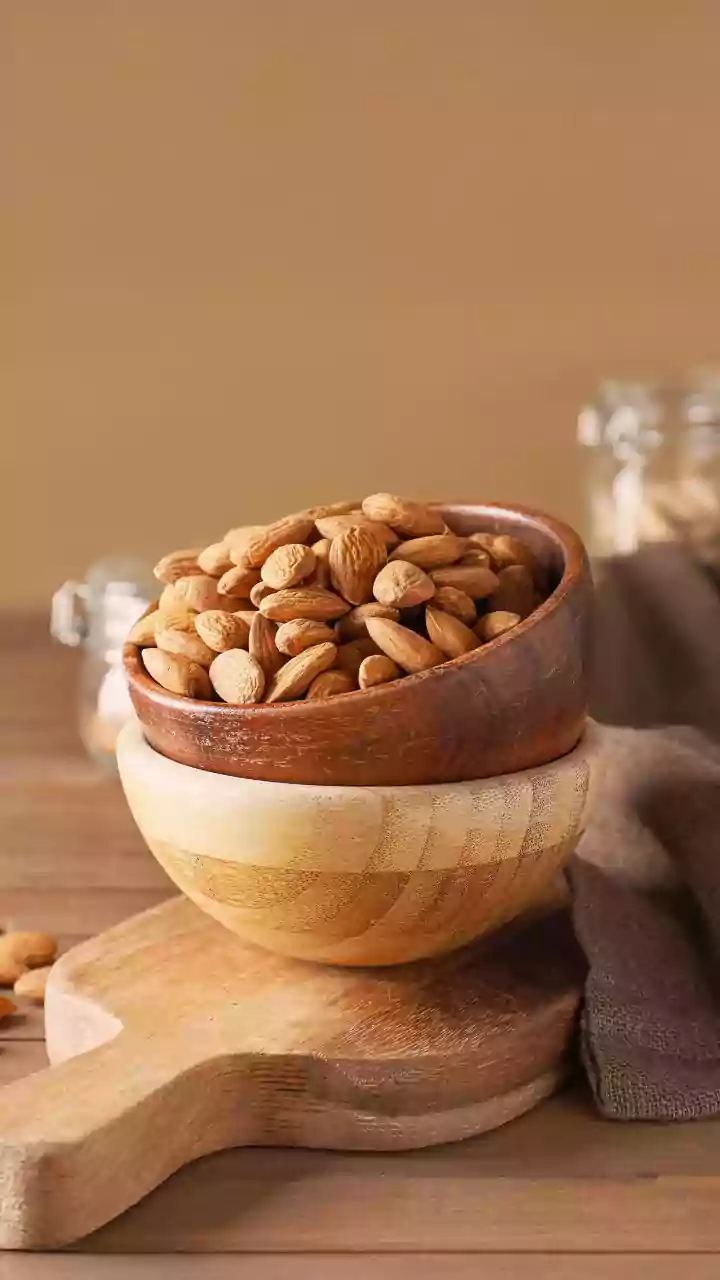
Protein is no longer just for gym-goers. According to a recent report, a staggering 86% of Indian consumers now consider protein an important factor when choosing a snack. This has fuelled demand for protein-rich options like roasted chickpeas (chana), nuts, seeds, and protein bars. Alongside the protein push is a boom in plant-based and vegan snacking. Driven by a mix of health, ethical, and environmental concerns, consumers are gravitating towards vegan snacks, from chips and snack bars to dairy-free chocolates. This trend involves both adopting globally popular vegan foods and innovating with local Indian ingredients to create new plant-based products.
Transparency and Convenience are King
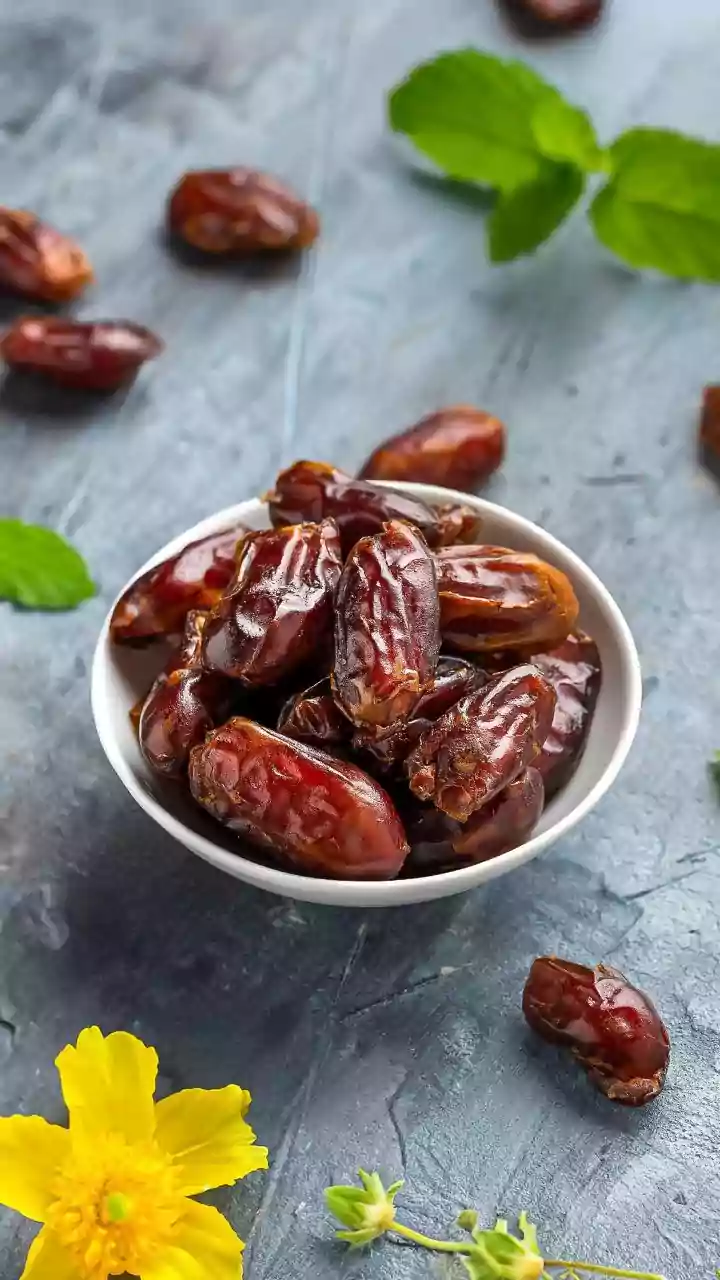
Today's consumer doesn't just want a healthy snack; they want to know exactly what's in it. Ingredient transparency has become a critical factor, with a 2026 survey revealing that 62% of respondents prioritize clear information over celebrity endorsements. This demand for "clean labels" means consumers favour natural ingredients and are wary of artificial additives. Many also prefer natural sweeteners like jaggery or dates over refined sugar. Finally, convenience is paramount. The growth of e-commerce and quick-commerce platforms has made these healthier snacks more accessible than ever, allowing brands to reach a wide audience in Tier 1, 2, and 3 cities.