
The New Urban Wardrobe
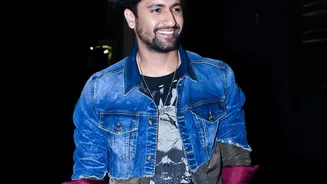
Take a look around any metro city, from a bustling cafe in Bengaluru to the inside of a Mumbai local. The uniform has changed. Stiff formals and restrictive silhouettes are giving way to relaxed, breathable alternatives. Key pieces in this new wardrobe
include matching co-ord sets that require zero thought, wide-leg trousers that allow for easy movement, and oversized shirts that work for both a Zoom call and a casual dinner. Footwear, a primary indicator of this shift, has seen sneakers and cushioned flats dethrone high heels as the everyday default. The goal is no longer to just look put-together, but to feel effortlessly so. This is fashion that adapts to a life lived in motion.
Why Comfort, Why Now?
This sartorial shift isn't happening in a vacuum. It's a direct response to the evolving realities of Indian urban living. Hybrid work models, a lasting legacy of the pandemic, have blurred the lines between office and home attire. Long commutes on crowded public transport demand clothes that can withstand the grind. Furthermore, a growing wellness culture has people prioritising physical and mental ease, and that extends to their clothing. The rise of athleisure is a global phenomenon, but in India, it's being adapted to suit local needs and climates. Brands are responding by focusing on performance fabrics that are stylish, breathable, and versatile, creating a new category of clothing that can take you from a morning workout to a work meeting and then to a social gathering.
Versatility Is the Ultimate Luxury
In today's fast-paced urban environment, the most valuable asset is time. The new definition of luxury fashion is not about price tags, but about practicality and longevity. A single outfit that can transition through multiple scenarios—from a client presentation to grocery shopping to an evening out—is the new power dressing. This has led to the death of rigid, occasion-specific dressing. Women are no longer curating separate wardrobes for work, weekends, and events. Instead, they are investing in high-quality, versatile pieces that can be styled differently. A well-designed co-ord set can be worn together for a polished look or broken up and paired with other items, multiplying its utility. This is intentional dressing, where confidence comes from feeling at ease, not from conforming to outdated rules.
An Indian Interpretation
While influenced by global trends, this move towards comfort is distinctly Indian. Designers and homegrown brands are at the forefront, innovating with local textiles and silhouettes. Fabrics like cotton, linen, mulmul, and khadi, which are naturally suited to the Indian climate, are being used to create modern, anti-fit designs. The 'anti-fit' or 'oversized' trend is not just about loose clothing; it is an architectural and fluid adaptation that provides a sense of personal space and autonomy in crowded urban settings. You see it in the modern interpretations of the kurta, which is now often styled with straight-cut pants or even as a dress, and in the fusion of traditional prints like Ikat and Kalamkari with contemporary cuts. This blend of heritage and modernity is creating a fashion identity that is both globally aware and deeply rooted in Indian culture.