





What is Chrono-Nutrition?
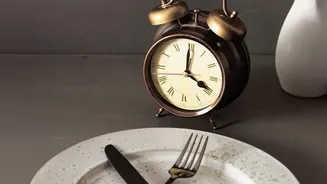
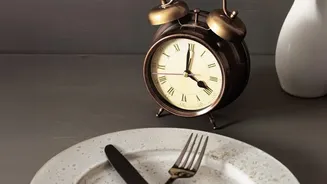
Chrono-nutrition is an emerging field of science that studies the relationship between when we eat, our body's internal 24-hour clocks (known as circadian rhythms), and our overall health. It's not about a specific diet, but rather about the timing of your
food intake. The central idea is that our bodies are primed to handle food differently at various times of the day. By syncing our meal schedules with these natural biological rhythms, we can potentially improve metabolic processes, including how our bodies manage blood sugar. This approach considers that our metabolism isn't constant; it fluctuates, with our digestive system, hormones, and ability to process nutrients being more efficient during daylight hours.
Your Body Clock and Blood Sugar
Your body's ability to manage blood sugar is not the same at 8 a.m. as it is at 8 p.m. This is largely due to insulin, the hormone responsible for helping your cells absorb glucose (sugar) from the bloodstream. Research consistently shows that insulin sensitivity is highest in the morning and declines throughout the day, hitting its lowest point in the evening. This means your body is much more efficient at clearing sugar from your blood earlier in the day. When you eat late at night, your body is less prepared to handle the influx of glucose. This can lead to higher and more prolonged blood sugar spikes compared to eating the same exact meal earlier. This effect is partly regulated by melatonin, the sleep hormone, which starts to rise in the evening and can interfere with insulin secretion.
The Problem with Late-Night Meals
Eating late, especially large or carbohydrate-heavy meals, essentially asks your metabolic system to work overtime when it's preparing to wind down. Studies have demonstrated that this mismatch can have several negative consequences. One 2020 study found that eating dinner at 10 p.m. instead of 6 p.m. resulted in an 18% higher blood sugar spike. Over time, this pattern of late eating can lead to elevated fasting blood sugar levels in the morning, increased insulin resistance, and a higher risk for developing metabolic conditions like type 2 diabetes. Furthermore, late eating can disrupt fat metabolism and has even been linked to increased hunger the next day, creating a cycle that can work against weight management goals.
How to Align Your Meals with Your Clock
Adopting a chrono-nutrition approach doesn't have to be complicated. The key principle is to 'front-load' your calories, consuming the majority of your food earlier in the day. A simple motto to follow is to “breakfast like a king, lunch like a prince, and dine like a pauper.” Aim to have your last meal at least three hours before you go to sleep, ideally finishing dinner by 7 p.m. This gives your body ample time to digest and process the food before it enters its nighttime restorative phase. If you're used to eating late, start by gradually shifting your dinner time earlier by 15-30 minutes each week. Prioritizing a balanced, nutrient-dense breakfast can also help set a stable foundation for the day, improve satiety, and reduce evening cravings.
Is This Approach for Everyone?
While the evidence supporting earlier meal times is strong, individual needs can vary. Factors like genetics, work schedules (especially for shift workers), and personal health conditions can influence the ideal eating window. For example, some individuals are natural 'evening chronotypes' or night owls, who are biologically driven to eat later. However, research still indicates that even for these individuals, late eating is associated with poorer glucose control. The goal isn't rigid perfection but mindful adjustment. Listening to your body and making gradual changes is key. Shifting your eating window earlier is a powerful tool, but it works best as part of a holistic approach that includes a balanced diet, regular physical activity, and adequate sleep.