



The Traditional Superfood
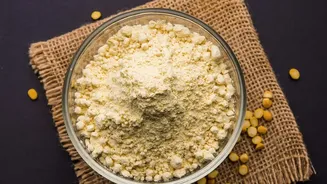
For generations, sattu has been the go-to source of energy and nutrition across various parts of India, especially in states like Bihar, Uttar Pradesh, and Jharkhand. Made from dry-roasted and ground Bengal gram (chana), this flour is celebrated for its
cooling properties and impressive nutritional profile. Traditionally consumed as a simple 'sharbat'—mixed with water, salt, and lemon—it has been a trusted fuel for farmers and laborers, providing sustained energy for hours of hard work. This 'poor man's protein' is now being recognised for what it truly is: a natural, affordable superfood.
The Nutritional Powerhouse
What makes sattu so special for fitness lovers? The answer lies in its dense nutritional content. A 100-gram serving packs approximately 20-25 grams of high-quality plant-based protein, crucial for muscle repair and growth. It's also rich in dietary fiber, which promotes digestive health and keeps you feeling full for longer, aiding in weight management. Furthermore, sattu is loaded with essential minerals like iron, magnesium, and calcium. With a low glycemic index, it releases energy slowly, preventing the sugar crashes associated with many other breakfast options and pre-workout snacks.
From Sharbat to Smoothie Bowl
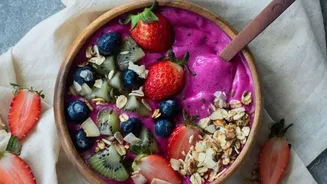
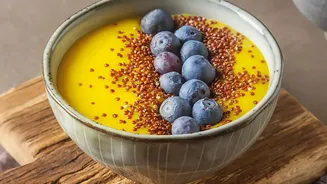
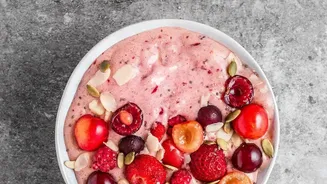
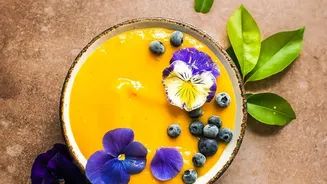
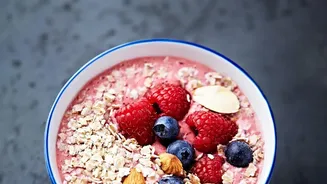
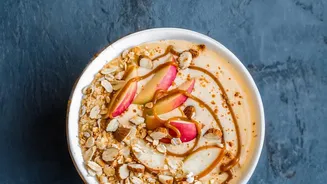
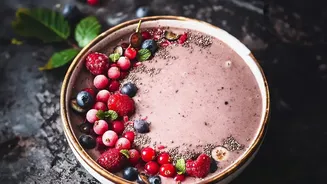
The latest evolution in sattu consumption moves beyond the glass and into the bowl. While the classic sharbat is quick and effective, the smoothie bowl format allows for greater creativity, texture, and a more complete nutritional package. Young people are blending sattu with fruits, yogurt, and plant-based milks to create a thick, spoonable base that feels more like a meal than a drink. This not only makes it more appealing to modern palates but also allows for the addition of other superfoods through toppings like seeds, nuts, and fresh berries, further boosting its health benefits.
How to Build Your Sattu Smoothie Bowl
Creating your own high-protein sattu smoothie bowl is simple. The goal is to achieve a thick, creamy consistency that can support toppings. Start with a base, add your liquid, throw in some fruit for natural sweetness, and finish with your favorite toppings. Here’s a basic formula to get you started: The Base: Combine 3-4 tablespoons of sattu flour in a blender. The Liquid: Add about 150-200 ml of your choice of liquid. Options include cold milk, almond milk, oat milk, or even thick yogurt or curd for a richer texture. The Sweetener & Flavour: Add a ripe banana, a few dates, or a teaspoon of honey or jaggery for sweetness. A pinch of cardamom or cinnamon can add a delicious warm spice. The Boost (Optional): For extra nutrients, consider adding a handful of spinach, a spoonful of peanut butter, or pre-soaked chia seeds to the blend. Blend everything until it is thick and smooth. If it’s too thin, add a bit more sattu or a few ice cubes. If it's too thick, add a splash more liquid.
Get Creative with Toppings
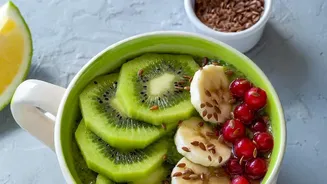
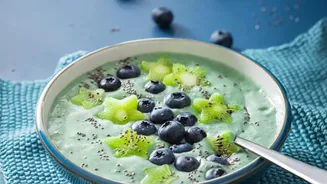
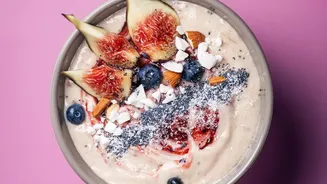
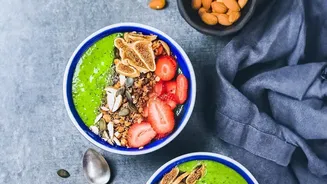
The final step is what makes a smoothie bowl so visually appealing and texturally satisfying. Pour your thick sattu smoothie into a bowl and get creative with the toppings. This is where you can add extra crunch, healthy fats, and vitamins. Some popular topping ideas include: Fresh Fruits: Sliced banana, pomegranate seeds, mango chunks, or berries. Nuts and Seeds: Almonds, walnuts, pumpkin seeds, or sunflower seeds for a healthy crunch. * Something Extra: A sprinkle of desiccated coconut, a drizzle of honey, or a few dark chocolate chips for an indulgent touch. This modern approach doesn't just upgrade the humble sattu; it integrates a traditional Indian superfood seamlessly into the global wellness trend of smoothie bowls, making it more accessible and enjoyable for a new generation.