






Myth: Protein shakes will automatically make you bulky
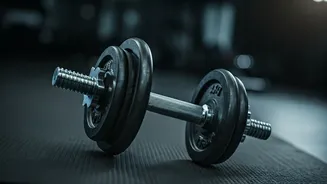
This is one of the most persistent myths, especially among women. The truth is, protein shakes alone won't make you bulky. [14] Gaining significant muscle mass, or 'bulking,' requires a combination of consistent, heavy strength training and a calorie
surplus—meaning you eat more calories than you burn. [8, 16] Protein's role is to help repair and build muscle tissue that is broken down during exercise. [5, 7] For women, it's physiologically much more difficult to build large muscles due to lower levels of testosterone, a key hormone for muscle growth. [2] So, unless you are pairing your shakes with an intense, high-volume weightlifting routine and a high-calorie diet, you're more likely to develop a toned, lean physique rather than a bulky one. [8]
Myth: You must drink your protein shake within a 30-minute 'anabolic window'
The idea of a short, 30-to-60-minute 'anabolic window' post-workout is a popular but largely exaggerated concept. [4, 15] While it's true that your muscles are more receptive to nutrients after exercise, this heightened sensitivity lasts for several hours, not just a few minutes. [12, 21] Research has shown that the total amount of protein you consume throughout the day is far more important for muscle growth than the precise timing of your shake. [15, 19] Multiple studies have found that as long as your daily protein intake is sufficient, there's little to no difference in muscle gain whether a shake is consumed immediately after a workout or a few hours later. [12, 21] The frantic rush to chug a shake is mostly unnecessary. [24] Focus on consistently meeting your daily protein goals, spread across your meals. [19]
Myth: Protein shakes will damage your kidneys
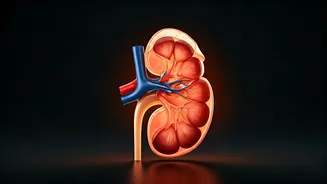
This is a serious-sounding claim that often worries people. However, for individuals with healthy, functioning kidneys, there is no strong evidence to suggest that a high-protein diet, including from shakes, causes kidney damage. [1, 9, 28] The myth stems from the fact that kidneys filter waste products from protein metabolism. [4] While a higher protein intake does mean the kidneys work a bit harder, healthy kidneys can easily adapt to this increased load. [22, 25] The concern is valid primarily for individuals with pre-existing kidney disease. [9, 30] For those with compromised kidney function, a high-protein diet can accelerate the progression of their condition. [22, 30] But for the vast majority of healthy people, consuming protein shakes as part of a balanced diet is considered safe for kidney health. [1, 28]
Myth: Protein shakes cause weight gain
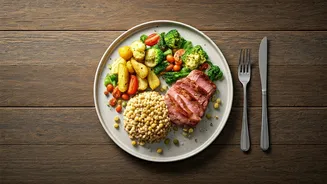
Protein shakes themselves don't automatically lead to weight gain. Weight gain is the result of consuming more calories than you burn, regardless of the source. [8, 33] In fact, protein can be a powerful tool for weight management. It promotes a feeling of fullness, which can lead to smaller portion sizes and less snacking. [7, 23] It also has a higher thermic effect than carbs or fats, meaning your body burns more calories digesting it. [31] However, if you add protein shakes on top of your regular diet without adjusting your calorie intake or increasing your physical activity, the extra calories can lead to weight gain. [14, 34, 35] The key is how you use them: as a supplement to a calorie-controlled diet or as a meal replacement, not as an extra meal. [33]
Myth: You only need protein shakes if you're a bodybuilder
While popularised by athletes and bodybuilders, protein shakes can be beneficial for many different people. [6, 8] Protein is a fundamental building block for everyone, essential for repairing cells, producing hormones, and maintaining healthy skin and bones. [3, 7] Anyone who struggles to get enough protein from whole foods due to a busy lifestyle, dietary restrictions (like vegetarianism or veganism), or a poor appetite can benefit. [2, 31] Older adults, who have higher protein requirements to prevent muscle loss, may also find shakes a convenient way to meet their needs. [7, 31] They are simply a convenient way to supplement your protein intake when your diet falls short; they are not exclusively for those looking to build massive muscle. [3, 6]