





A Galaxy of New Players
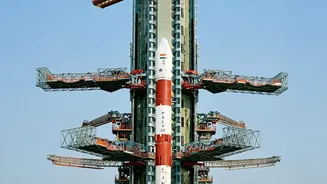
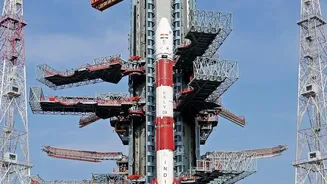
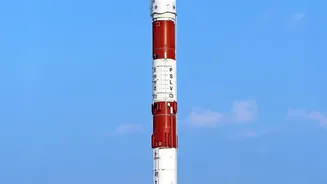
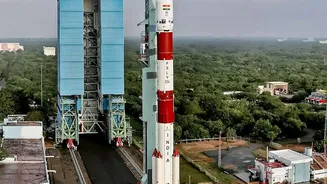
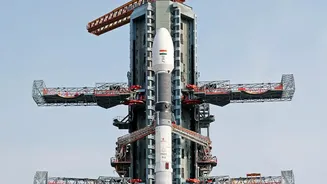
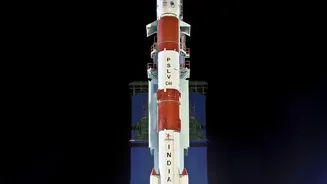
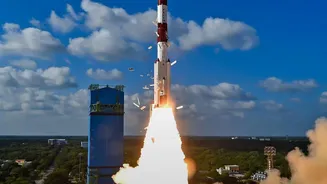
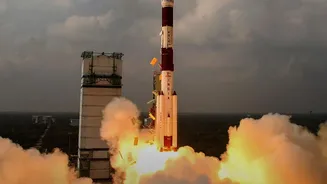
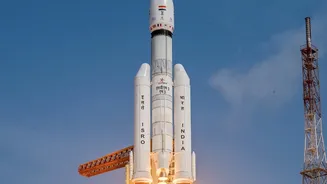
For decades, the Indian Space Research Organisation (ISRO) was the beginning and end of India's space story. From launching its first rocket from a fishing village to sending missions to the Moon and Mars, ISRO did it all. But the global space economy,
now valued in the hundreds of billions of dollars, has changed. The new frontier is commercial, driven by private companies like SpaceX. Recognizing this, India initiated landmark reforms in 2020, opening the doors for private companies, or Non-Governmental Entities (NGPEs), to participate in end-to-end space activities. This policy shift was designed to free ISRO to focus on cutting-edge research and deep space exploration, while allowing private enterprise to drive innovation, attract investment, and expand India's industrial base. The results have been stellar: from just a handful of space startups a few years ago, India now has more than 400.
The New Mission Control
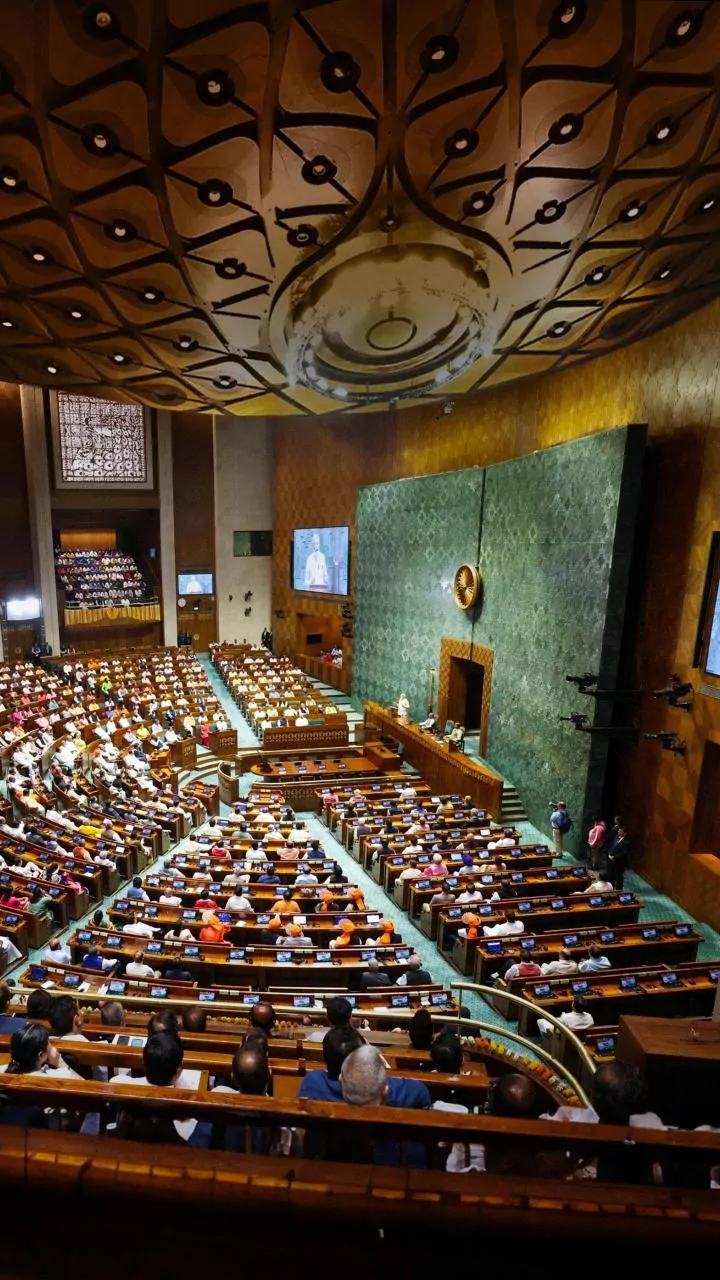
To guide this new ecosystem, the government established two key bodies. The Indian National Space Promotion and Authorisation Centre (IN-SPACe) acts as a single-window agency to promote, authorise, and supervise private space activities. Think of it as the friendly but firm regulator ensuring everyone plays by the rules. It helps private firms access ISRO's world-class facilities and expertise. The other body, NewSpace India Limited (NSIL), is ISRO's commercial arm, tasked with transitioning from a supply-driven model to a demand-driven one. NSIL's role is to commercialise ISRO's mature technologies, manage operational launch vehicles, and aggregate user demand for space-based services. Together, they form a synergistic framework that bridges the gap between public infrastructure and private ambition.
Startups Reaching for the Stars
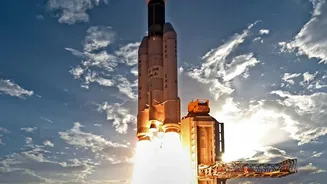
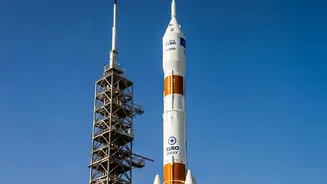
Indian startups are wasting no time in seizing this opportunity. Hyderabad-based Skyroot Aerospace made history in July 2026 with the successful orbital launch of its Vikram-1 rocket, making India only the third country with a private company capable of such a feat. Chennai's Agnikul Cosmos is another trailblazer, developing India’s first 3D-printed semi-cryogenic rocket engine, a technology that drastically cuts manufacturing time and cost. ISRO has actively supported these ventures, providing access to its testing facilities, launchpads, and tracking networks. Other notable startups include Pixxel, which is building a constellation of Earth-imaging satellites, and Bellatrix Aerospace, which focuses on satellite propulsion systems. These companies are not just building hardware; they are creating a competitive, commercially viable ecosystem.
Fueling the Economic Engine
The economic projections for this new era are ambitious. India's space economy, currently valued at around $8-9 billion, is projected to surge to between $40 billion and $45 billion within the next decade. The government is actively fueling this growth. In August 2026, the Department of Space announced new price-support schemes offering subsidies of 30% to 100% on launch services, technology transfers, and the use of ISRO facilities. The government also liberalised Foreign Direct Investment (FDI) rules in 2024, allowing up to 74% FDI in satellite manufacturing and 49% in launch vehicles under the automatic route. This influx of private and foreign capital is expected to create high-skilled jobs and accelerate development in downstream applications like satellite communication, weather forecasting, and agricultural monitoring.
Navigating the Challenges Ahead
Despite the momentum, the path is not without obstacles. Indian space startups still face challenges in securing the kind of large-scale funding their US counterparts attract. While policies are in place, a comprehensive national space law covering complex issues like liability and dispute resolution is still needed to provide greater regulatory certainty. Furthermore, there's a need for more advanced infrastructure, such as additional launch pads and testing facilities, to keep pace with the sector's rapid growth. Overcoming these hurdles will be crucial for Indian companies to compete effectively on the global stage against established international players.