






The Allure of a Monsoon Escape
For years, the monsoon was considered the off-season for tourism. Today, that perception is changing. Travellers from bustling cities like Bengaluru, Mumbai, and Delhi are actively seeking out the unique beauty of regions like Coorg, Wayanad, and Munnar
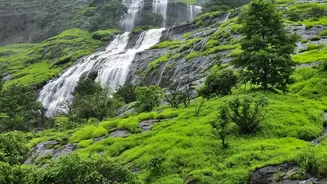
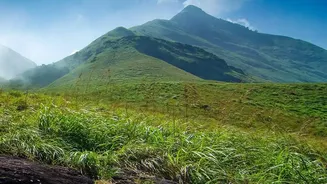
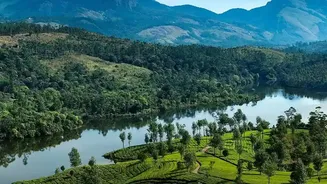
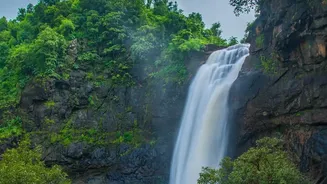
during the rains. The appeal lies in the transformation of the landscape: tea gardens become a vibrant, glistening emerald, waterfalls roar to life, and the air is filled with the fresh scent of wet earth. This sensory experience offers a powerful antidote to the stress and pollution of urban environments, providing a quiet space for rejuvenation. Instead of fighting the rain, these breaks embrace it, turning it into the peaceful soundtrack for a period of rest and reflection.
What Is a 'Monsoon Detox'?
The term 'detox' here goes beyond typical diet fads. Rooted in Ayurvedic principles, a monsoon detox is considered particularly effective because the cool, moist air is believed to make the body more receptive to healing. According to Ayurveda, the digestive system is weaker during this season, making it an ideal time for cleansing with light, warm meals and herbal infusions. However, the modern interpretation of a monsoon detox is also mental and digital. It’s about disconnecting from screens, trading deadlines for bird calls, and quieting the mind. It’s a holistic reset that addresses burnout by focusing on rest, mindful eating, and immersion in nature.
From Coffee Estates to Spice Gardens
South India’s Western Ghats offer a rich tapestry of plantation experiences. In Coorg and Chikmagalur, you can wake up to the aroma of Arabica and Robusta beans, stay in heritage bungalows, and learn about the journey from bean to cup. Head to Wayanad or Thekkady in Kerala, and you'll find yourself surrounded by the fragrant notes of cardamom, pepper, and vanilla. These homestays aren’t just places to sleep; they are immersive experiences. Days are spent on guided plantation walks, identifying different spices, learning about organic farming, or simply reading a book on a veranda as the rain patters down. This connection to the land and its produce is a core part of the detox experience.
The Homestay Advantage
While luxury resorts are plentiful, plantation homestays offer a unique advantage for those seeking an authentic escape. Unlike larger hotels, homestays provide a personalized, intimate setting. Hosts often share stories of their estate's history and cook traditional meals using ingredients grown just metres away—think seasonal bamboo shoot curry in Coorg or freshly caught fish in the Keralan backwaters. This model supports local communities and gives travellers a genuine connection to the place and its culture, which is something urban visitors increasingly crave. The experience is less about generic luxury and more about quiet comfort and heartfelt hospitality.
Answering the Urban Call for Quiet
The rising demand for these monsoon breaks reflects a significant shift in urban lifestyles. The pressures of city living—traffic, noise, digital fatigue, and a disconnect from nature—are pushing people to seek meaningful escapes rather than just sightseeing trips. Eco-tourism and wellness travel are no longer niche interests but are becoming mainstream priorities for many Indian travellers. Plantation homestays are perfectly positioned to meet this need, offering a ready-made solution for those feeling burnt out. They provide a space that is not only beautiful and peaceful but also feels restorative on a deeper level, allowing visitors to return to their busy lives feeling genuinely refreshed and rebalanced.