




Embracing the Zero-Waste Kitchen
The idea is simple: instead of composting or discarding the odds and ends from your vegetable prep, you can give them a second life. Onion peels, carrot ends, celery tops, and mushroom stems are packed with flavour that is often wasted. By collecting
these scraps, you can create a delicious broth for a fraction of the cost of store-bought versions. This practice not only saves money but also actively reduces household food waste, making your kitchen more sustainable. All you need is a large freezer-safe bag or container to get started. As you cook throughout the week, simply toss your clean scraps into the bag and store it in the freezer until it's full.
Your Scrap Collection Guide: What to Save
Not all scraps are created equal, but many common ones are perfect for broth. The peels, ends, and skins of aromatic vegetables form a fantastic base. Think of it as building layers of flavour. The best scraps to save include those from onions (skins and ends), carrots (peels and tops), and celery (bottoms and leaves). These three form the classic foundation of a flavourful broth. Beyond that, feel free to add garlic skins, mushroom stems, leek tops, and the ends of zucchini or bell peppers. Even wilted herbs like parsley or thyme can be added to contribute to a more complex aroma.
What to Avoid for a Better Broth
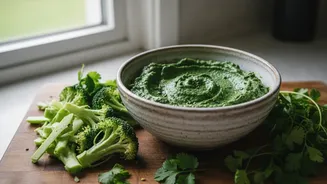
Just as important as knowing what to include is knowing what to leave out. Certain vegetables can make your broth bitter, cloudy, or overpowering. It's best to avoid cruciferous vegetables like broccoli, cauliflower, cabbage, and Brussels sprouts. These can release sulphuric compounds during a long simmer, resulting in a bitter or unpleasant taste. Starchy items like potato peels can make your broth gummy and cloudy. While flavourful, beets will turn your entire batch a deep red, so only include them if you don't mind a colourful result. Finally, always discard any scraps that are mouldy, spoiled, or have dirt on them to ensure your broth is safe and delicious.
The Simple Simmering Process
Once you have a full bag of frozen scraps (around 8-10 cups is a good amount), it's time to make your broth. The stovetop method is classic and easy. Simply empty your frozen scraps into a large stockpot. Add aromatics like a bay leaf and a few whole peppercorns if you like, then cover the scraps with cold water. Bring the pot to a boil, then immediately reduce the heat to a gentle simmer. Let it simmer for at least 30-60 minutes, though some cooks let it go for up to two hours for a deeper flavour. There's no need to stir. For a hands-off approach, you can also use a slow cooker on low for several hours.
Is Scrap Broth Truly Nutrient-Dense?
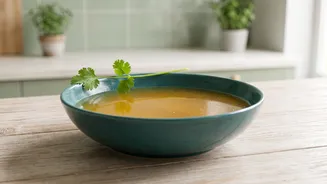
The headline's claim of a "nutrient-dense" broth is worth exploring. When vegetables are simmered in water, water-soluble vitamins, like Vitamin C and various B vitamins, leach from the scraps into the liquid. This process means you are capturing nutrients that would otherwise be lost. While homemade vegetable broth contains minerals and vitamins, it is not a calorie-rich food; a typical one-cup serving contains very few calories, minimal protein, and trace amounts of fat. The exact nutritional profile will vary depending on the vegetables used. Think of it as a flavourful, hydrating liquid that adds a bonus layer of vitamins and minerals to your meals, rather than a standalone nutritional powerhouse.
Storing Your Liquid Gold
After simmering, turn off the heat and let the broth cool slightly. Position a fine-mesh strainer over a large bowl and carefully pour the contents of the pot through it, separating the liquid from the solids. The leftover solids have given all their flavour and can now be composted. Once the broth has cooled completely, you can store it. In an airtight container like a glass jar, it will last for up to a week in the refrigerator. For longer storage, freezing is the best option. You can freeze it in jars (leave room for expansion), freezer-safe bags, or even ice cube trays for small, convenient portions you can use anytime. Frozen broth keeps well for up to six months.
More Than Just Soup
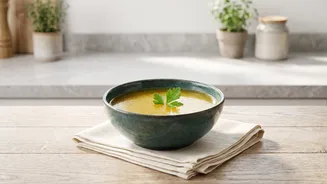
While this broth makes an excellent base for any soup or stew, its uses are incredibly versatile. You can use it in place of water when cooking grains like rice, quinoa, or risotto to infuse them with savoury flavour from the start. It can be used to deglaze a pan, form the base of a gravy or pan sauce, or add moisture and flavour to mashed potatoes. Some people even enjoy sipping a warm mug of seasoned broth on its own as a comforting and hydrating drink, especially when feeling under the weather.