
Not All Iron is Created Equal
Iron is an essential mineral that our bodies use to create haemoglobin, a protein in red blood cells that carries oxygen from our lungs to the rest of our body. When we don't get enough, we can feel fatigued and weak. Dietary iron comes in two forms:
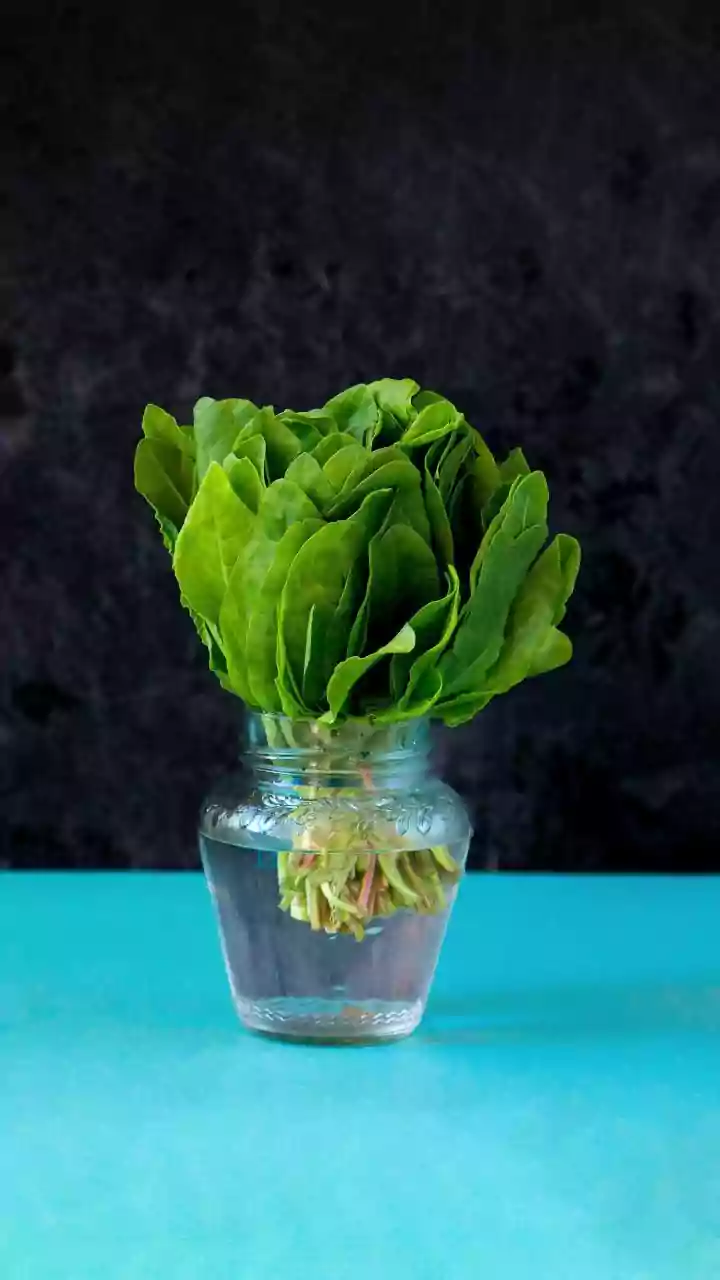
heme and non-heme. Heme iron is found in animal products like meat, poultry, and fish. It's highly bioavailable, meaning our bodies can absorb it quite easily. Non-heme iron, on the other hand, is the type found in plant-based foods such as leafy greens, beans, lentils, and nuts. While abundant, this form is trickier for our bodies to absorb. In fact, non-heme iron can make up over 90% of the iron in many diets, especially those that are plant-forward.
The Challenge of Plant-Based Iron
The primary reason non-heme iron is less available to us is its chemical structure. Most plant-based iron exists in a form known as ferric iron (Fe3+), which our intestines struggle to take in. To make matters more complicated, many healthy plant foods contain natural compounds called inhibitors that can block iron absorption. The main culprits are phytates, which are found in whole grains, legumes, and seeds, and polyphenols (including tannins), which are present in tea, coffee, and even some vegetables like spinach. These compounds can bind to iron in the gut, forming insoluble complexes that prevent the mineral from ever entering your bloodstream. This is why you can eat an iron-rich vegan meal and still not get the full benefit.
Vitamin C: The Key to Unlocking Iron
This is where Vitamin C, also known as ascorbic acid, performs its nutritional magic. It acts as a powerful enhancer for non-heme iron absorption in two distinct ways. First, Vitamin C helps convert the hard-to-absorb ferric iron (Fe3+) into the much more soluble ferrous iron (Fe2+), the specific form our bodies are designed to absorb. Second, it forms a protective, soluble complex with the iron as it travels through your digestive system. This 'chelate' shields the iron from the effects of inhibitors like phytates and polyphenols, keeping it available for absorption in the small intestine. Essentially, Vitamin C acts as both a transformer and a bodyguard for plant-based iron.
Just How Much Does It Help?
The headline's claim of doubling the benefit is not an exaggeration; in many cases, it's a conservative estimate. Research has consistently shown that Vitamin C is the most potent enhancer of non-heme iron absorption. Studies have found that adding Vitamin C to a meal can increase iron absorption by two to seven times, depending on the meal's composition. One study noted that adding 100 milligrams of Vitamin C to a meal increased iron absorption by over four times. Another analysis highlighted that Vitamin C can boost absorption up to six-fold, an effect that can help make up for the inherent bioavailability differences between heme and non-heme iron. So, adding that squeeze of lemon isn't just for flavour—it's supercharging your nutrition.
Perfect Pairings for Your Plate
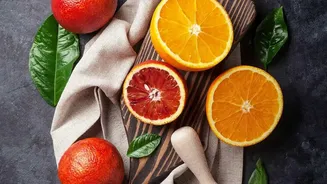
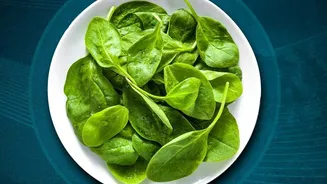
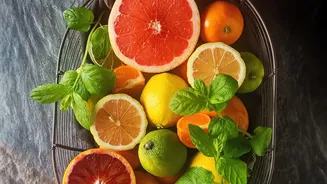
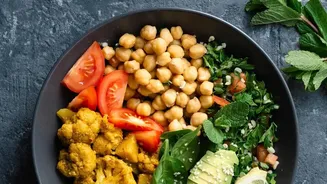
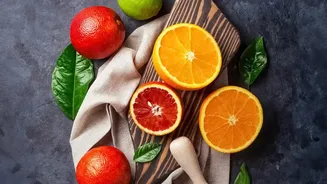
Putting this science into practice is simple and delicious. The goal is to combine a food high in non-heme iron with one that's rich in Vitamin C in the same meal. The classic combination of leafy greens and citrus is a perfect starting point. Think of a spinach salad with a lemon-based vinaigrette or adding orange segments. But you don't have to stop there. Try a lentil soup brimming with tomatoes, which are a great source of Vitamin C. A tofu or bean scramble becomes more powerful with the addition of chopped bell peppers. Even your morning oatmeal can get an iron-boosting upgrade by topping it with fresh strawberries.
Beyond Citrus and Leafy Greens
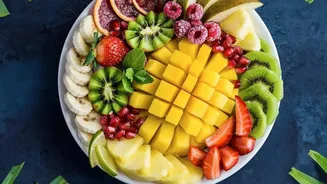
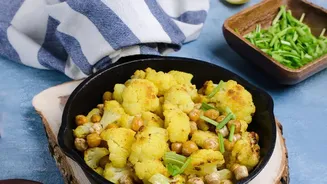
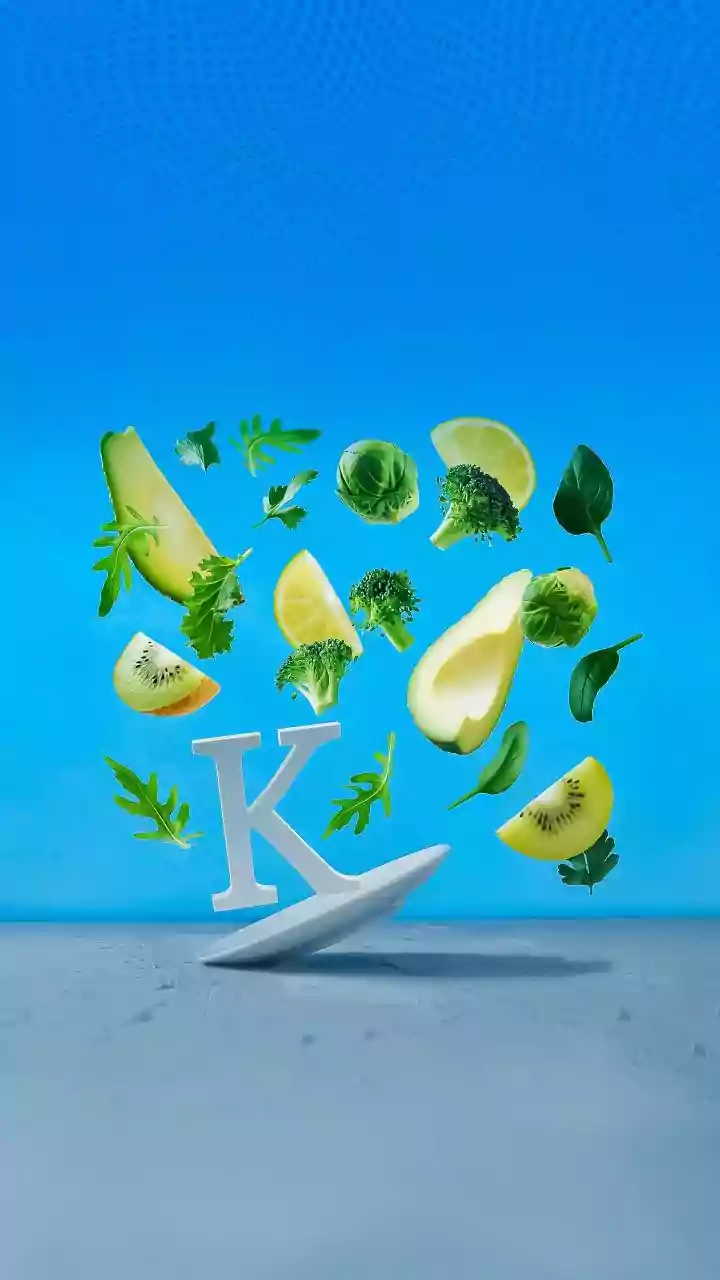
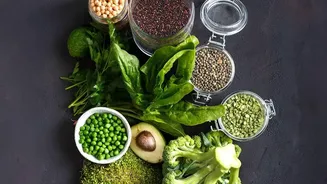
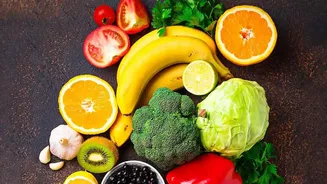
While citrus and greens are a fantastic duo, many other foods fit the bill. Broaden your horizons to get the most out of this nutritional strategy. Other excellent sources of non-heme iron include quinoa, beans, chickpeas, tofu, tempeh, and fortified cereals. For your Vitamin C component, look to broccoli, Brussels sprouts, bell peppers of all colours, kiwi, and potatoes. Broccoli is a particularly great choice as it contains both iron and a healthy dose of Vitamin C. A quinoa bowl with black beans, corn, and a lime-cilantro dressing is another easy and effective combination.
What to Keep Separate From Your Meal
Just as important as what you pair is what you separate. Since compounds in certain drinks and foods can inhibit iron absorption, it’s wise to consume them at a different time than your iron-rich meal. The tannins in coffee and black tea are potent inhibitors, so try to enjoy your morning cup an hour or two before or after your iron-fortified breakfast cereal. Calcium is another known inhibitor of both heme and non-heme iron. If you take a calcium supplement or consume dairy, it's best to do so between meals rather than with your main iron source to maximize uptake.