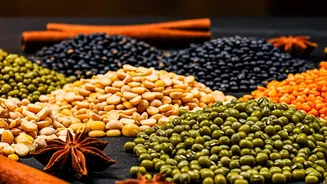



The secret to glowing, healthy skin might already be in your kitchen pantry. The humble masoor dal, or red lentil, is a powerhouse of nutrients that can exfoliate, brighten, and rejuvenate your skin without the need for expensive products.
The Skincare Power of Masoor Dal
Long before
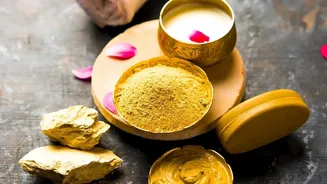
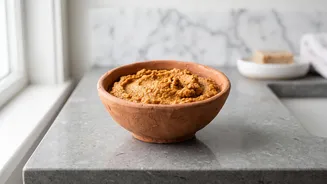
serums and chemical peels became mainstream, masoor dal was a trusted ingredient in traditional Indian skincare routines. This kitchen staple is rich in proteins, antioxidants, vitamins, and minerals that offer a surprising number of benefits for your complexion. Its primary power lies in its ability to act as a gentle, natural exfoliant. The slightly grainy texture of ground masoor dal helps slough away dead skin cells, dirt, and impurities, effectively unclogging pores and revealing smoother, fresher skin underneath. It's particularly effective for controlling excess oil, making it a great choice for those with oily or combination skin. Regular use can also help in reducing tan, evening out skin tone, and fighting the free radicals that contribute to premature ageing.
For Oily and Acne-Prone Skin: Masoor Dal and Yoghurt
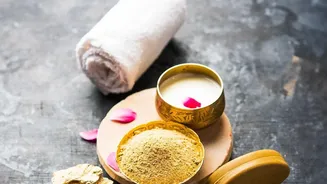
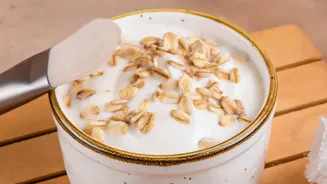
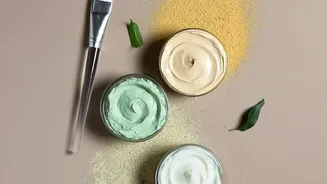
If you struggle with excess oiliness or frequent breakouts, a masoor dal and yoghurt mask can be a game-changer. Yoghurt contains lactic acid, a natural alpha-hydroxy acid (AHA) that helps dissolve dead skin cells and tighten pores. When combined with the absorbent properties of masoor dal, this mask effectively cleanses the skin and controls sebum production. The anti-inflammatory properties of masoor dal can also help soothe the redness associated with acne. To prepare this mask, mix two tablespoons of finely ground masoor dal powder with enough plain yoghurt to form a smooth paste. For an added brightening boost, you can add a pinch of turmeric. Apply the paste to a clean face, leave it on for 15-20 minutes until it semi-dries, and then gently rinse off with cool water.
For Dry and Dull Skin: Masoor Dal with Milk and Oil
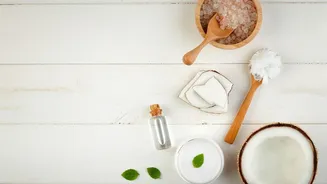
For those with dry or dehydrated skin, the key is to pair masoor dal's exfoliating power with deeply hydrating ingredients. Milk and certain oils provide the nourishment needed to prevent the skin from feeling stripped or tight. A popular recipe involves soaking two tablespoons of masoor dal in milk overnight. In the morning, grind it into a thick paste. To this, you can add a few drops of a nourishing oil like almond or coconut oil. Almond oil is rich in Vitamin E, while coconut oil offers intense moisture. Massage this paste onto your face in gentle, circular motions and leave it on for about 15-20 minutes before washing off with lukewarm water. This combination helps to gently remove dry patches while leaving the skin feeling soft, supple, and radiant.
For Tan Removal and Brightening: Masoor Dal with Lemon or Orange
Masoor dal is an excellent remedy for tackling sun tans and pigmentation. Its exfoliating action helps remove the top layer of tanned, pigmented skin cells. To enhance its effectiveness, you can combine it with ingredients rich in Vitamin C, like lemon or orange juice. Mix one tablespoon of masoor dal powder with a pinch of turmeric and enough lemon juice to form a paste. Be cautious with lemon juice, as it can be potent; always dilute it if you have sensitive skin. Apply this pack to the affected areas, let it rest for about 15 minutes, and then wash it off. Another option is to mix masoor dal powder with orange peel powder and yoghurt for a gentler brightening effect. Consistent use can significantly help in lightening tans and restoring your skin's natural glow.
Important Tips and Precautions
While masoor dal face packs are natural, it's important to use them correctly to avoid potential side effects like dryness or irritation. Always perform a patch test on a small area of your skin before applying any new mask to your entire face, especially if you have sensitive skin or known allergies to legumes. When grinding the dal, ensure it forms a fine powder or a very smooth paste to avoid being too abrasive on the skin. Do not let the mask dry completely to the point where it cracks, as this can stretch and dry out your skin. It is best to rinse it off when it is semi-dry. For most skin types, using these masks once or twice a week is sufficient. Overuse can lead to over-exfoliation and disrupt your skin's natural moisture barrier. After rinsing the mask off, always follow up with a good moisturizer to lock in hydration.