




Why Morning Sun is a Mint's Best Friend
Mint is a forgiving herb, but it thrives with the right kind of light. While it needs about six hours of good light daily, the intense heat of the afternoon sun can be too harsh, scorching its delicate leaves. An east-facing window is often ideal, as it provides
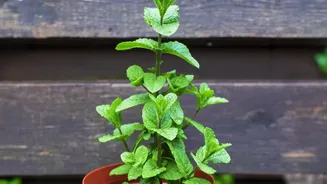
bright, direct sunlight in the morning when the rays are less powerful. This gives the plant the energy it needs for dense, leafy growth without the stress of high heat. A south or west-facing window can also work, but you may need to protect the plant during the hottest part of the day. If your mint's stems become long and 'stretchy' with few leaves, it's a clear sign it needs more light.
Choosing the Right Pot and Soil
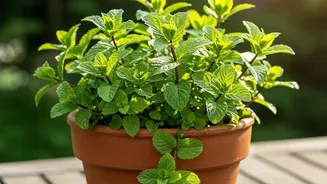
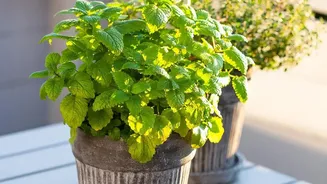
Mint has a vigorous root system that likes to spread, which is why it's often best grown in a container to keep it from taking over. When choosing a pot, think wide rather than deep. Select a container that's at least 8 to 12 inches in diameter to give the roots ample room to run. Drainage holes are non-negotiable to prevent waterlogging and root rot. Use a high-quality, well-draining potting mix. A standard mix, perhaps with a little perlite or sand mixed in to improve aeration, is perfect. Avoid using heavy garden soil, which can compact and hold too much water.
The Art of Watering Your Mint
Mint loves consistently moist soil, but it doesn't like to sit in a puddle. It's a plant that's hard, but not impossible, to overwater. The best approach is to water thoroughly whenever the top inch of soil feels dry to the touch. Pour water over the soil until it runs out of the drainage holes at the bottom. After a few minutes, be sure to empty any excess water from the saucer underneath the pot. Letting the plant stand in water can lead to root rot. If you notice your mint plant wilting or drooping dramatically, it's a sure sign it's thirsty.
Pruning for a Fuller, Happier Plant
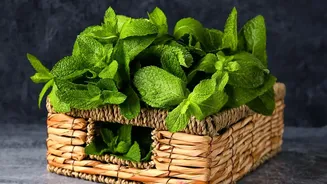
Regular harvesting and pruning are the keys to a bushy, productive mint plant. If left untrimmed, mint can become tall and leggy. Don't just pluck individual leaves; this can weaken the plant over time. Instead, use clean scissors to snip off the top portions of the stems, cutting just above a pair of leaves. This encourages the plant to branch out from that point, creating a fuller shape. Regularly pinching off the tips, especially any flower buds that appear, will direct the plant's energy into producing more of the flavorful leaves you want.
Keeping Pests Away, Naturally
While mint's strong scent can deter some pests, indoor plants can sometimes attract unwelcome guests like aphids, spider mites, or whiteflies, especially in dry conditions. Signs of an infestation include yellowing or curling leaves, sticky residue known as honeydew, or fine webbing on the plant. For many small infestations, a strong spray of water can be enough to dislodge the pests. Wiping the leaves with a solution of soapy water is another effective, food-safe method. Regularly inspecting the undersides of leaves will help you catch any problems early before they get out of control.