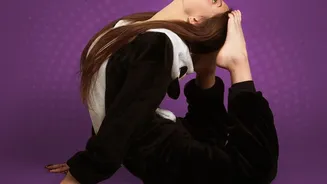



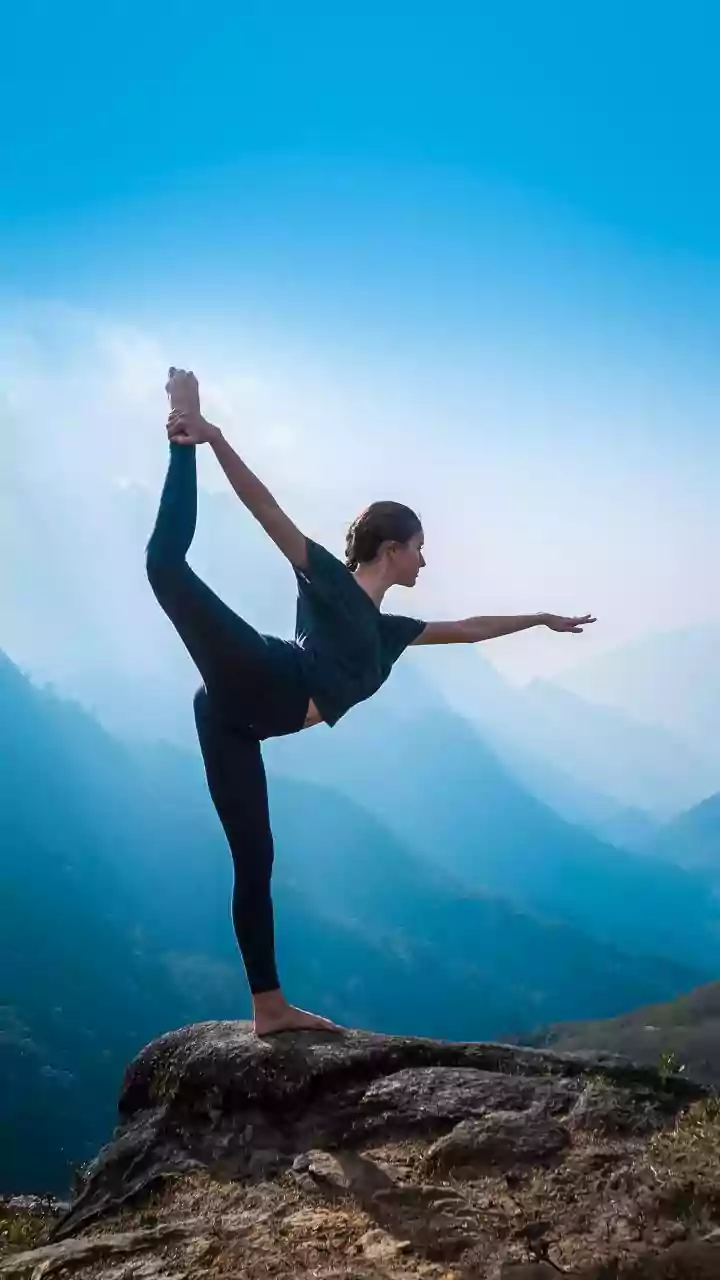
How Yoga Unlocks Flexibility
Flexibility isn't just about impressive poses; it's about the functional range of motion in your joints, which impacts everything from how you walk to how you sit at a desk. Unlike static stretching, yoga involves dynamic movements and sustained holds
that work on multiple levels. A regular practice warms up muscles, increases blood flow, and, most importantly, targets the body’s connective tissues, including fascia. These tissues wrap around your muscles and can become tight and restrictive. The flowing, varied movements in yoga help to hydrate this fascia, breaking up adhesions and allowing muscles to lengthen and move more freely. Studies have shown that consistent yoga practice leads to significant flexibility gains in the hips, hamstrings, and lower back. The key is consistency; even 10-15 minutes a day can lead to noticeable improvements over time.
Creating Your Daily Beginner's Flow
The term 'flow' might sound intimidating, but for a beginner, it simply means moving smoothly from one pose to the next, using your breath as a guide. The goal isn’t perfection, but mindful movement. Instead of pushing into painful stretches, you are encouraged to listen to your body and work within your current limits. The idea is to build a short, repeatable sequence that gently awakens the body. These five foundational poses are the perfect building blocks for a daily routine that will gradually and safely increase your overall flexibility. You don't need to be flexible to start; you start to become flexible.
Cat-Cow Pose (Marjaryasana-Bitilasana)
This is the ultimate warm-up for your spine. The gentle, flowing movement between two positions helps increase spinal mobility and release tension in the back and neck. Start on your hands and knees in a 'tabletop' position, with wrists under shoulders and knees under hips. As you inhale, drop your belly, lift your chest and tailbone, and look forward into Cow Pose. As you exhale, round your spine toward the ceiling, tuck your chin to your chest, and press the mat away from you into Cat Pose. Flow between these two poses for 5-10 breaths, synchronizing the movement with your breathing to prepare your spine for deeper stretches.
Downward-Facing Dog (Adho Mukha Svanasana)
A cornerstone of most yoga practices, Downward-Facing Dog is a full-body stretch that targets the hamstrings, calves, and spine. From your hands and knees, tuck your toes, lift your hips up and back, forming an inverted 'V' shape with your body. For beginners, it's crucial to keep a generous bend in the knees. This takes pressure off the lower back and allows you to focus on lengthening your spine. Press firmly through your palms and lift your tailbone toward the ceiling. You can 'pedal' your feet, bending one knee and then the other, to gently deepen the stretch in each calf.
Child's Pose (Balasana)
More than just a resting posture, Child's Pose is an active stretch that gently elongates the lower back and opens the hips. From your hands and knees, bring your big toes to touch, spread your knees wide, and sit your hips back toward your heels. Fold your torso forward between your thighs and rest your forehead on the mat. Your arms can either be stretched out in front of you or resting alongside your body with palms facing up. This pose is excellent for relieving tension in the back, shoulders, and chest, and provides a moment to reconnect with your breath.
Triangle Pose (Trikonasana)
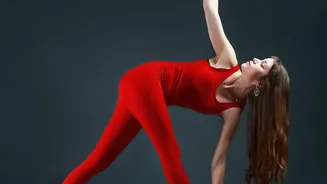
Triangle Pose is a fantastic standing pose for improving flexibility through the sides of the body, hamstrings, and hips, while also building strength and stability. Start by standing with your feet wide apart. Turn your right foot out 90 degrees and your left foot in slightly. Extend your arms parallel to the floor, then hinge at your right hip, reaching forward before bringing your right hand down to your shin, ankle, or a block. Extend your left arm toward the ceiling, opening your chest. This pose creates a deep stretch along the entire side of your torso and in the hamstrings of your front leg.