







Why Linen? The Science of Soft Light
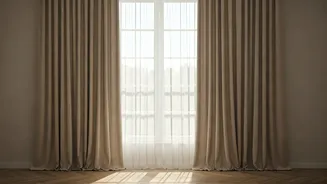
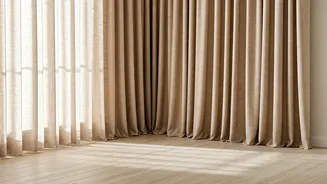
Linen, a natural fibre derived from the flax plant, possesses a unique set of qualities that make it perfect for managing light. [19, 20] Unlike heavy, opaque fabrics that block light entirely, or synthetic sheers that can create glare, linen offers a beautiful
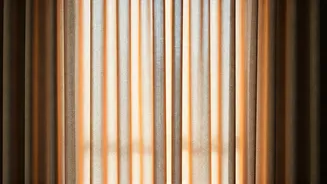
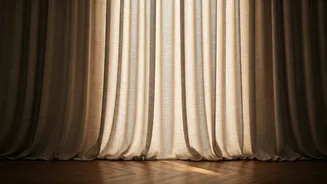
middle ground. Its natural, loose weave acts as a light diffuser. [5] This means it filters and softens harsh, direct sunlight, spreading a gentle, ambient glow throughout the space. [1] This process not only illuminates the room but also reduces the strain on your eyes and can even help protect furniture from UV damage. [14] The fabric's inherent texture adds a layer of organic sophistication, making spaces feel tranquil and connected to nature. [4] Furthermore, linen's breathable quality promotes air circulation, helping to keep rooms cool in the summer and providing a degree of insulation in the winter, which can contribute to energy efficiency. [1, 14, 25]
Choosing the Right Linen for Your Space
Not all linen curtains are created equal. The weight, weave, and colour all play a crucial role in how much light they let in. For maximum brightness, opt for sheer or lightweight linen, often under 150 GSM (grams per square meter). [13] These are translucent enough to let in significant light while still providing a degree of daytime privacy. [1] Medium-weight linen offers more opacity, striking a balance between light-filtering and privacy. [17, 23] Colour choice is also critical. Light and neutral colours like white, cream, beige, or soft grey are the best choice for maximising light, as they reflect light and make a room feel larger and more open. [7, 12, 17] Darker colours, while dramatic, tend to absorb light and can make a space feel smaller, so they are best used in rooms that already receive abundant sunlight. [7, 18]
The Art of Hanging Drapes to Maximize Light
How you hang your curtains is just as important as the curtains themselves. The professional interior design trick is to hang them “high and wide.” Mount the curtain rod at least 5-6 inches above the window frame, or even halfway between the frame and the ceiling, to draw the eye upward and create an illusion of height. [3, 6, 22] Extend the rod 6-10 inches beyond the window frame on each side. [3, 22] This allows you to pull the curtains completely clear of the glass when they are open, ensuring no part of the window is blocked and letting in every possible ray of light. [3] This technique makes the window itself appear larger and the room feel grander and more filled with light. [10] For length, curtains that just “kiss” or barely touch the floor provide a clean, tailored look that enhances the sense of height. [22]
Layering and Styling for Versatility
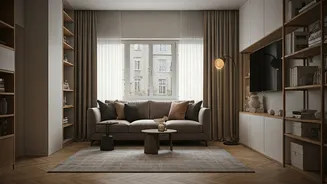
While sheer linen is perfect for daytime, you might want more privacy or light control at night. Layering is the ideal solution. You can pair sheer linen drapes with heavier, opaque curtains or a simple blackout roller blind. [9, 12] During the day, the heavy drapes can be pulled back, allowing the linen to filter the light beautifully. [12] At night, the blackout layer can be drawn for complete privacy and darkness. [13] This dual approach offers the best of both worlds without sacrificing style. Linen’s versatility means it complements a wide range of decor styles, from modern minimalist and coastal to rustic farmhouse, adding a touch of relaxed elegance wherever it's used. [1, 15, 17] The key is to choose a style that feels cohesive with your existing furniture and colour palette. [8]