




The Sunny Charm of Calendula
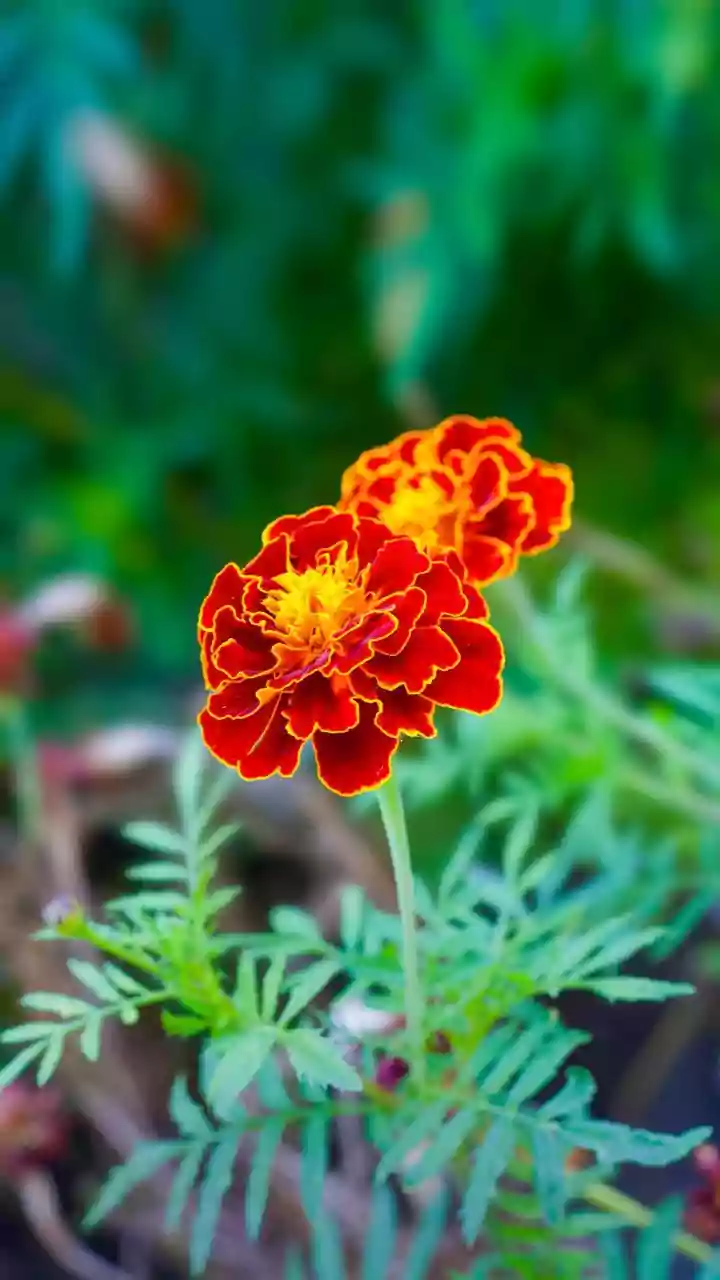
Often called pot marigold, Calendula is one of the easiest and most rewarding winter flowers to grow in India. Its bright, sunny blooms in shades of orange and yellow can light up even the greyest of days. This hardy annual thrives in the cool, dry weather
that characterises winter across much of the country, making it a reliable choice for beginners and experts alike. The planting season typically runs from October to February. For best results, choose a spot that receives at least six hours of direct sunlight. While Calendula is tolerant of average soil, it performs best in a well-draining mix rich in organic matter. You can sow seeds directly into your pots or garden beds, covering them lightly with about a quarter-inch of soil. Keep the soil consistently moist but not waterlogged until germination, which usually takes one to two weeks. Once the plants are established, water them when the top inch of soil feels dry. One of the joys of Calendula is its long blooming period; regularly removing spent flowers, a practice known as deadheading, will encourage the plant to produce a continuous supply of fresh blossoms.
The Whimsical Spikes of Snapdragon
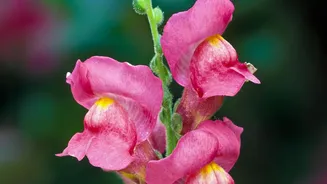
Snapdragons, or Antirrhinum, bring a sense of drama and vertical interest to any garden space. Their unique, dragon-shaped flowers, which 'snap' open when gently squeezed, are a delight for all ages. These cool-season flowers are perfectly suited for Indian winters, offering a long blooming season from December right through to April in some regions. Available in a vast spectrum of colours and in heights ranging from dwarf varieties perfect for pots to tall types ideal for borders, there is a Snapdragon for every garden design. In North India, the best time to sow seeds is from September to October, while in the warmer South, October to November is ideal. Snapdragons require full sun for at least six to eight hours a day to produce the strongest stems and most abundant flowers. They prefer well-drained, fertile soil. A key tip for bushier plants with more flower spikes is to pinch the growing tip when the young plants have developed a few pairs of leaves. Taller varieties will likely need staking to protect them from the wind. Keep the soil evenly moist, watering at the base of the plant to prevent fungal diseases like rust, which can be an issue in humid conditions.
The Fragrant Frills of Dianthus
Known for its frilly petals and a lovely, clove-like fragrance, Dianthus is a winter garden classic. This genus includes popular varieties like Carnations and Sweet William, offering a range of colours from pink and red to white and purple. Their compact growth habit makes them excellent for garden borders, rock gardens, and containers. In most parts of India, Dianthus thrives in the winter season. They need a location with plenty of sunlight—at least four to six hours daily is essential for them to grow upright and bloom profusely. The most critical requirement for Dianthus is well-draining soil, as they are highly susceptible to root rot in waterlogged conditions. Amending heavy soil with sand or planting in raised beds or pots is highly recommended. Water the plants only when the top layer of soil is dry to the touch. To encourage a long blooming season, you can feed the plants with a balanced liquid fertiliser every few weeks and regularly remove any faded or dead flowers. Not only do they look beautiful in the garden, but Dianthus also make for wonderful and long-lasting cut flowers to bring indoors.
General Care for a Flourishing Winter Garden
Success with winter flowers in India often comes down to a few key principles. Most winter annuals, including Calendula, Snapdragon, and Dianthus, need a sunny spot to thrive. Good drainage is non-negotiable; if you are using pots, ensure they have holes at the bottom. A good potting mix can be made by combining garden soil, compost or vermicompost, and sand to improve aeration and prevent waterlogging. When watering, aim for the base of the plants to keep the foliage dry, which helps prevent fungal diseases. A common mistake is overwatering, especially in cooler weather, so always check the soil moisture before reaching for the water can. Finally, deadheading is your best friend. Regularly snipping off spent blooms tells the plant to redirect its energy into producing more flowers, ensuring your garden stays colourful for as long as possible.