



What Are Multi-Regional Meals?
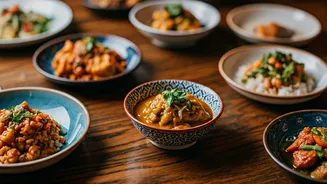
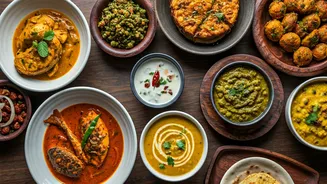
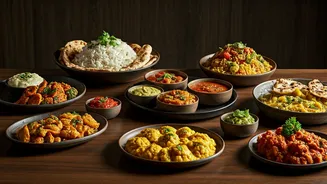
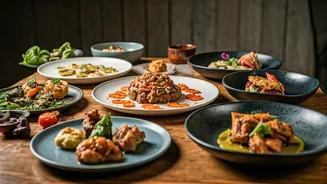
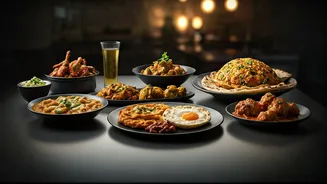
Step into a restaurant today, and you might notice something different. The menu isn't just 'Italian' or 'North Indian' anymore. Instead, you might find a dish from Kerala next to one from Bengal, or a Japanese technique applied to a Peruvian ingredient.
This is the essence of the multi-regional trend. It's not the chaotic fusion of the past, but a more thoughtful, curated approach where different culinary traditions coexist on the same menu. It signals a major shift: the era of broad, generic categories like 'Asian' or 'Latin' is ending, replaced by a demand for specificity and authenticity. Diners have graduated from gateway dishes like chicken tikka masala and are now seeking deeper explorations of global food cultures.
The End of Culinary Gatekeeping
So why is this happening now? A key driver is a new generation of chefs and diners who are more globally connected than ever. Many chefs are blending their cultural memories with formal training, creating dishes that tell a personal story. This 'borderless' approach is about respect for origins, not gimmicks. Furthermore, diners are increasingly curious, armed with knowledge from social media and a desire for authentic experiences. They are moving beyond familiar comforts to explore the diverse specialities of different regions, whether it's the hyper-local cuisines of India or specific culinary traditions from across Asia and South America. It’s a move away from rigid notions of authenticity and toward a celebration of flavour and personal narrative.
A Journey Through India on a Plate
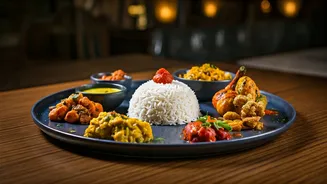
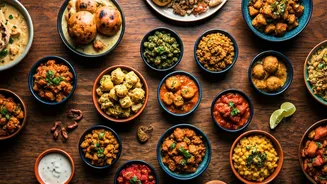
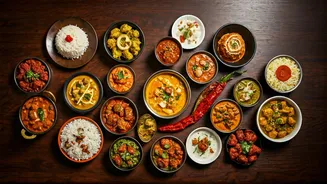
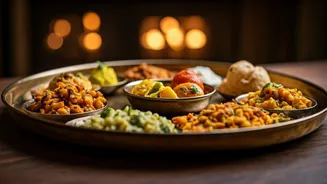
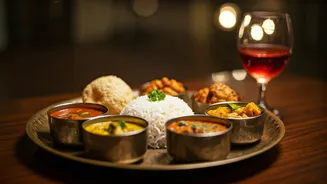
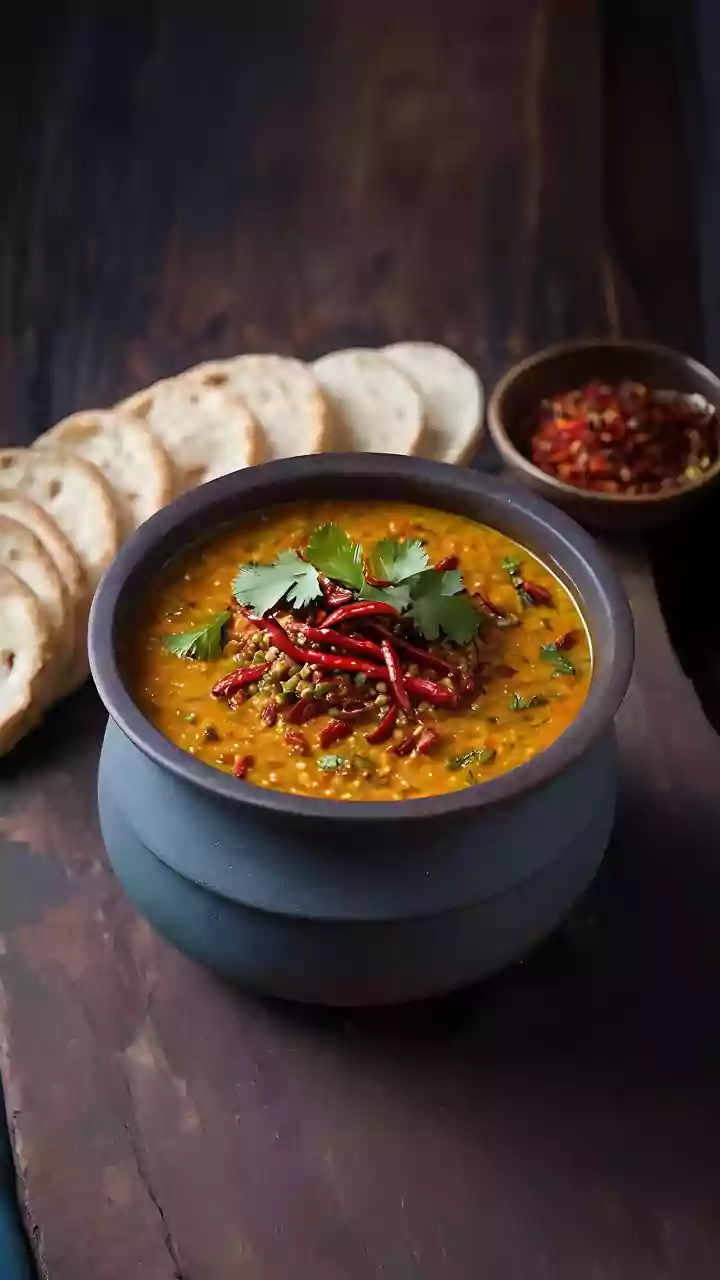
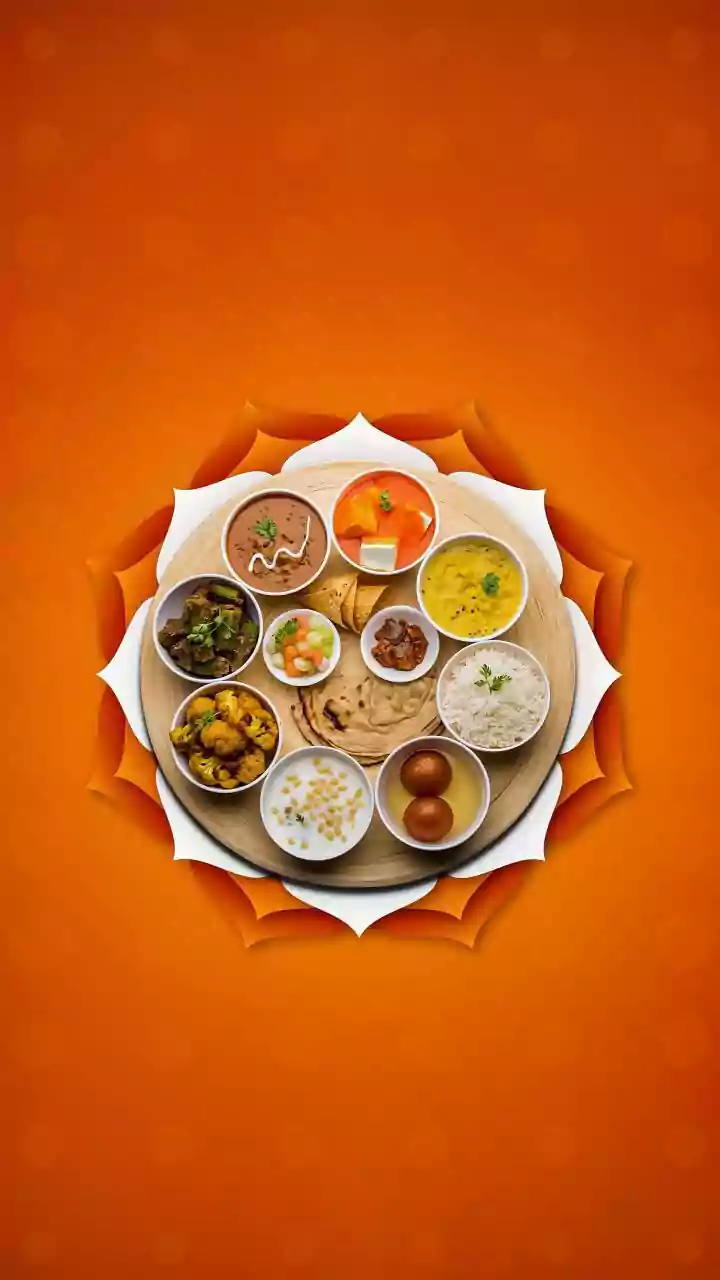
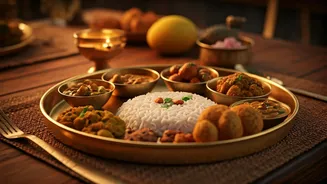
Nowhere is this trend more vibrant than in the context of Indian cuisine. For years, Indian food outside the subcontinent was often reduced to a few popular dishes from the North. Now, chefs are championing the country's immense diversity, showcasing dishes that vary dramatically from state to state and even district to district. Menus are becoming maps, guiding diners through the coastal flavours of Kerala, the spicy boldness of Kathiyawadi cuisine from Gujarat, and the unique ingredients of Nagaland. This isn't about nostalgia; it's presented as contemporary culinary intelligence, recontextualizing deep, seasonal flavour systems for the modern palate. Diners are rewarding this shift, showing increased interest in everything from regional thalis to specific dishes like dal makhani and parotta.
More Than Just a Meal
This trend also reflects a broader cultural shift. Eating is increasingly an act of exploration and identity. Diners want experiences that feel personal, transportive, and meaningful. A multi-regional menu offers a sense of discovery, allowing someone to travel through taste. It also aligns with a growing desire for variety and health; exploring different cuisines often means discovering new ingredients, plant-based options, and cooking methods. Restaurants are responding by creating immersive experiences, where storytelling and transparency about a dish's origins are just as important as the flavour. The meal becomes a conversation, connecting the diner to a place, a tradition, and the chef's unique vision.