



The Modern Roti Reinvented
For generations, the humble roti has been the backbone of Indian meals. But as lifestyles evolve, so do our dietary needs. A growing focus on health, fitness, and convenience has paved the way for a new contender in the kitchen: the protein-packed wrap.
It's not just a passing fad; it's a response to the demands of urban life, where time is short but the desire for nutritious, home-style food is strong. These wraps are emerging as a smart solution for everyone from busy professionals to fitness enthusiasts looking to fuel their day without spending hours in the kitchen. They offer a balanced meal that supports an active lifestyle, making healthy eating more accessible.
What Makes a Wrap 'Protein-Packed'?
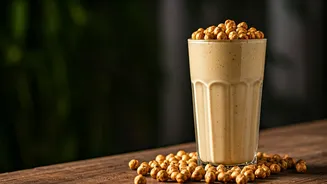
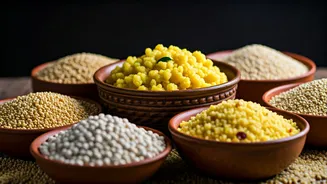
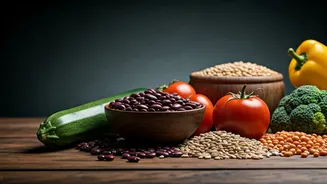
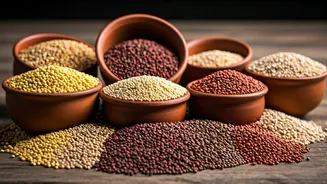
Unlike traditional wraps made primarily from wheat or refined flour, protein wraps are crafted from a variety of nutrient-dense ingredients. Many store-bought versions use a blend of flours like chickpea (besan), soy, lentil, or quinoa, and often include pea protein or whey protein to boost their content. Homemade versions are also gaining popularity, with recipes using ingredients like besan, sattu (roasted gram flour), or even blended spinach and eggs to create a flexible, protein-rich base. The goal is to create a wrap that is not only a vehicle for fillings but a significant source of nutrition itself, offering a substantial protein boost right from the base.
The Health and Fitness Advantage
The primary benefit of these wraps is their high protein content, which is crucial for muscle repair, growth, and recovery, especially after a workout. Protein also digests more slowly than simple carbohydrates, which helps you feel fuller for longer. This increased satiety can help manage weight by reducing cravings and unnecessary snacking between meals. Many protein wraps are also lower in carbohydrates and higher in fibre compared to their traditional counterparts, which can help in maintaining steadier blood sugar levels and avoiding the energy slumps that often follow a carb-heavy meal. They provide sustained energy, making them an excellent choice for a productive workday or an active lifestyle.
A Staple for Every Meal
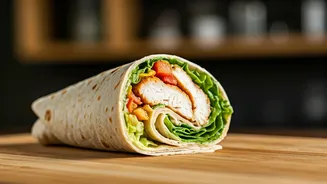
The versatility of protein wraps is a major reason for their growing popularity. They are a blank canvas for any meal of the day. For a power-packed breakfast, you can fill them with scrambled eggs or paneer bhurji. For a quick and satisfying lunch, they can be rolled with leftover grilled chicken, hummus, and fresh vegetables. They even work as a light dinner, used as a base for a healthy pizza or filled with spiced chickpeas or beans. The convenience extends to meal prep as well; many homemade wrap batters can be made in advance, and the wraps themselves can be prepared and stored for a few days, making it easy to assemble a healthy meal in minutes.
Making the Switch: DIY and Store-Bought
Adopting this trend is simple. Many brands now offer ready-to-eat protein wraps online and in stores, with options like soy flour or multigrain bases that are ready to heat and serve. For those who prefer a homemade touch, the options are endless and surprisingly simple. A popular and easy recipe involves blending chickpea flour (besan) with water and spices to create a pourable batter, which is then cooked like a thin pancake. Another innovative method uses blended eggs and spinach to create a grain-free, flexible wrap that's packed with nutrients. These homemade versions allow you to control the ingredients and tailor the flavour to your liking, offering a fresh and wholesome alternative to packaged goods.