






A Familiar, Frustrating Story
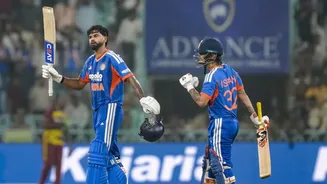
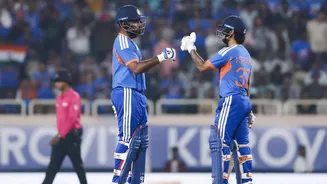
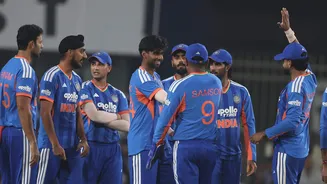
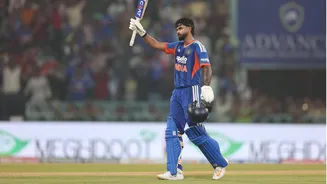
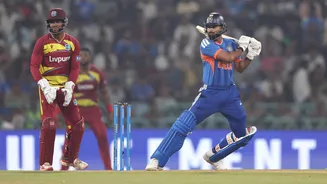
The events at Ranchi felt like a replay of a script seen too often. A powerful Indian batting lineup posts a formidable, often record-breaking, total. Confidence is high, a win seems probable, and then the bowling unravels. Allowing the opposition to chase
a target of 250 is a clear signal that this is more than just a bad day at the office. This is a pattern of inconsistency that has plagued the Men in Blue across both T20 and ODI formats. Recent series have highlighted this vulnerability. Even in a 2-1 ODI series win against the West Indies, the bowling remained a concern. Barring a few exceptions, the attack has often lacked the teeth to provide crucial breakthroughs or contain pressure. The over-reliance on a few key players, especially Jasprit Bumrah, becomes glaringly obvious in their absence. Without its spearhead, the attack frequently looks predictable and struggles to adapt when placed under duress.
The Death Overs Dilemma
A major part of the problem lies in the final phase of the innings. The death overs (16-20 in T20s) are where matches are won and lost, and India has been haemorrhaging runs. Captain Shubman Gill recently flagged the team's lack of clarity in this phase as a recurring issue, noting uncertainty over whether to attack or defend. This indecisiveness is costly. In the recent match in Ranchi, West Indies bowler Shamar Springer conceded 64 runs, partly due to an over-rate penalty forcing an extra fielder inside the circle in the final over—a situation that highlights how pressure can dismantle a bowling plan. This isn't an isolated incident. The inability to close out an innings has been a consistent theme, turning potential wins into agonizing losses. An elite death-bowling economy rate is considered to be under 9.00 runs per over; anything significantly higher points to a systemic weakness rather than individual failure.
Spinners and Lack of Pace Variety
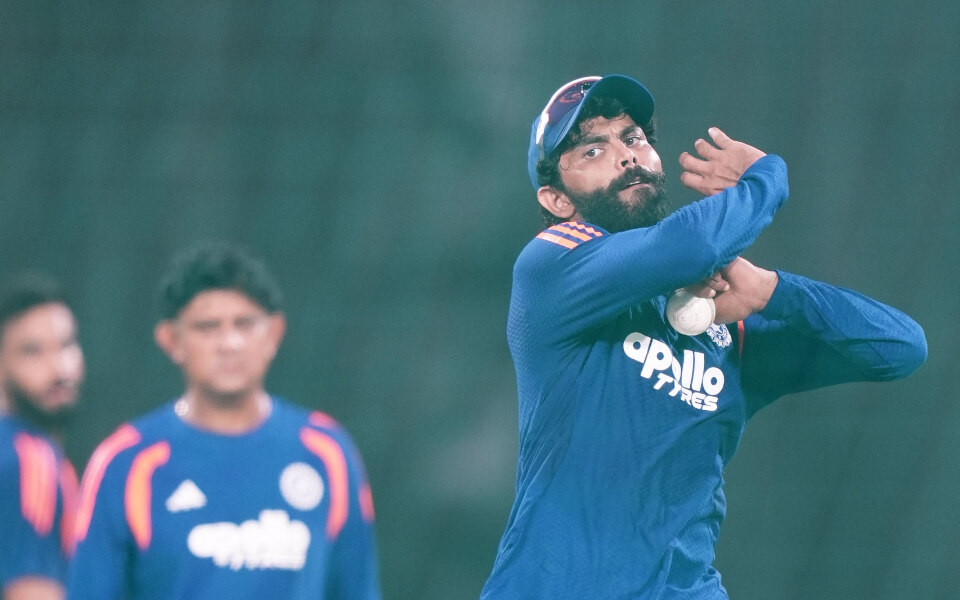
India's traditional strength has been its spin attack, but even that has shown signs of weakness. While Kuldeep Yadav remains a potent weapon, the spin department as a whole has struggled to consistently control the middle overs. On the increasingly flat, batter-friendly pitches prepared for white-ball cricket in India, even quality spinners find it difficult to make an impact. One curator lamented that there is often nothing in the pitch for spinners, forcing them to bowl defensively. This issue is compounded by a lack of express pace and variety in the fast-bowling ranks. Beyond the established names, India is still searching for a pool of fast bowlers who can consistently clock over 145 km/h and offer different angles and skills. The management of key bowlers' workloads means that the team often fields an inexperienced attack, which struggles on unhelpful surfaces against aggressive batting lineups.
The Problem Extends to ODIs
This isn't just a T20 problem. The headline's mention of poor ODI performances and a nervy Asian Games final is spot on. The longer format provides more time for a bowling attack's weaknesses to be exposed. Defending scores has become a serious concern, with commentators noting that even totals above 300 are no longer safe. During a recent ODI series, India's batters were in stellar form, with Shubman Gill and Rohit Sharma piling on runs, yet the bowling repeatedly let the side down, making chases far closer than they should have been. Young pacers making their debuts have been hit for over 80 runs, a brutal introduction to international cricket that speaks volumes about the challenging conditions and the quality of opposition they face. These struggles in bilateral series raise serious questions about India's ability to perform in high-stakes knockout games, where a single poor bowling performance can end a campaign.