


Verify Official Recognition and Affiliation
Your first step is to check if the operator is recognized by the Ministry of Tourism, Government of India, or the respective state tourism board. Furthermore, look for membership with the Adventure Tour Operators Association of India (ATOAI). ATOAI is a key
body that works with the government to establish safety and operational guidelines for adventure sports nationwide. An operator affiliated with these organizations is more likely to adhere to established safety protocols and professional standards. While state governments are primarily responsible for regulation, these national bodies indicate a commitment to quality and safety.
Scrutinise Guide Qualifications and Experience
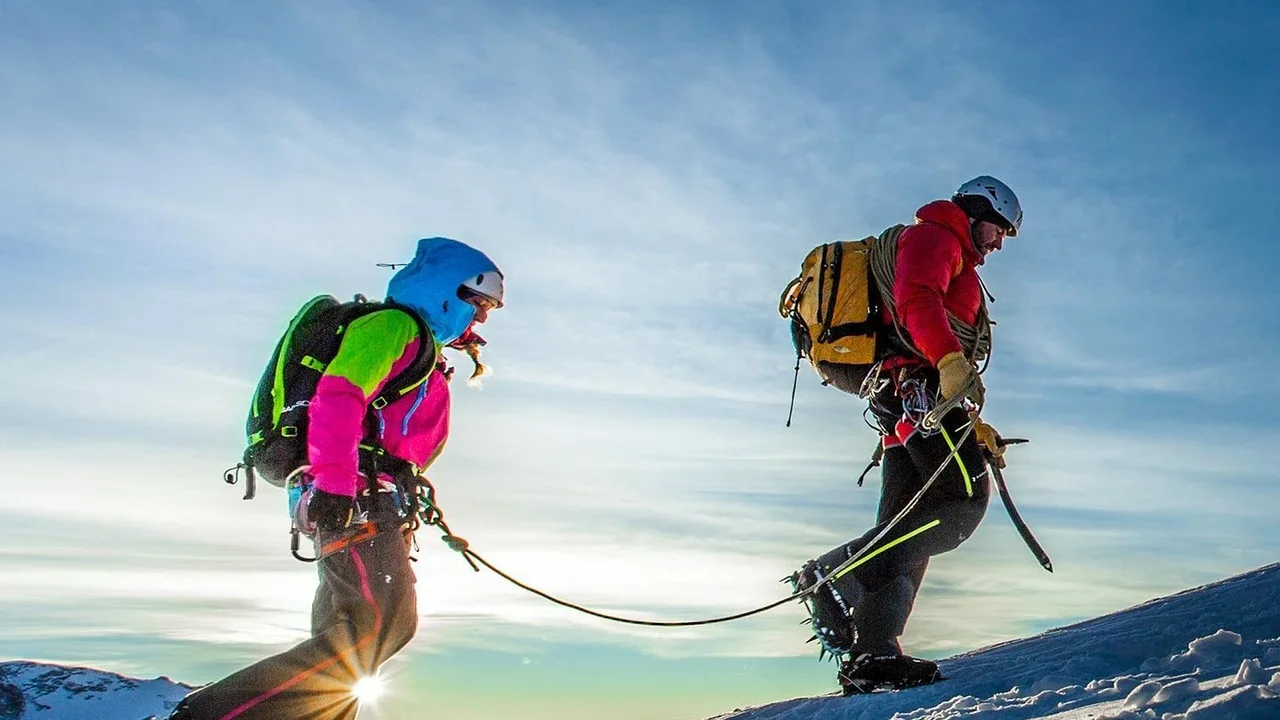
The person leading your trek is your lifeline in the mountains. Do not be shy about asking for your guide's credentials. At a minimum, a lead guide should have a certification in mountaineering from a reputed national institute like the Himalayan Mountaineering Institute (HMI) in Darjeeling, the Nehru Institute of Mountaineering (NIM) in Uttarakhand, or the Atal Bihari Vajpayee Institute of Mountaineering and Allied Sports (ABVIMAS) in Himachal Pradesh. These 28-day courses are considered mandatory for professionals in the field. Also, verify that your guide holds a valid first-aid certification, preferably a course designed for wilderness environments. Experience is just as critical; ask about their experience on the specific trail you are taking, especially in winter conditions.
Demand Transparency on Safety Protocols
A professional operator will be transparent about their safety and emergency procedures. Key questions to ask include: What is the guide-to-client ratio? A lower ratio means more personal attention. What is the emergency evacuation plan? They should have clear protocols for scenarios like acute mountain sickness (AMS), injury, or severe weather. Do they carry satellite phones or other reliable communication devices for areas with no mobile network? What medical equipment and oxygen cylinders are part of their standard kit? Vague answers to these questions are a major red flag.
Assess the Quality of Camping Equipment
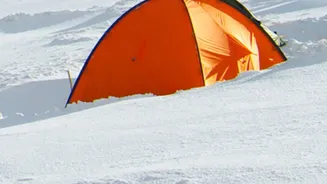
For a snow camping excursion, the quality of your gear is a matter of safety, not just comfort. The operator should provide high-quality, all-season tents that can withstand wind and snow. Your sleeping bag should have a temperature rating that is appropriate for sub-zero conditions, often down to -10°C or -15°C. Ask the operator for the specifications of the tents, sleeping bags, and mats they provide. Check if they also provide essential items like a liner for the sleeping bag for extra warmth. Using worn-out or inappropriate gear in extreme cold can be dangerous, leading to risks like hypothermia and frostbite.
Read Recent Reviews and Seek Real Testimonials
While an operator’s website will showcase their best side, independent reviews on travel forums and Google provide a more balanced picture. Look for recent reviews, particularly from people who have done the same trek in the same season. Pay attention to comments about guide expertise, food quality, safety management, and the condition of the equipment. A consistent pattern of positive, detailed feedback is a strong indicator of a reliable company. Be wary of operators with no independent reviews or only vague, overly glowing testimonials on their own site.
Prioritise Responsible and Sustainable Practices
The best adventure operators are not just focused on safety but also on sustainability. Certified and responsible operators are more likely to follow Leave No Trace principles, manage waste properly, respect local culture, and employ local staff fairly. Organizations like ATOAI often conduct training on responsible tourism, so an affiliated operator is likely aware of these ethics. Choosing such a company ensures that your adventure does not come at the cost of the fragile Himalayan ecosystem and its communities.