

The Rise of Astrotourism
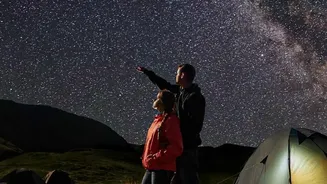
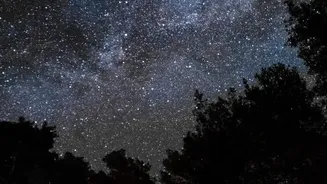
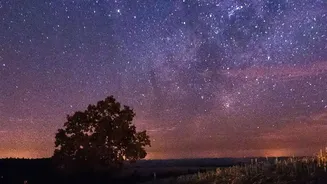
A dark-sky holiday, often called astrotourism, is a trip planned around the simple, profound goal of seeing the stars without the interference of city lights. With more than 80% of the world's population living under light-polluted skies, the sight of the Milky
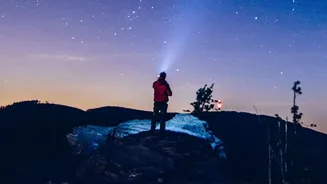
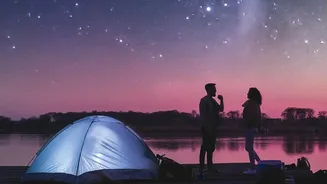
Way arching across the horizon has become a rare privilege. This growing travel trend is about more than just sightseeing; it’s an intentional move towards disconnecting from screens and reconnecting with the universe. It involves travelling to remote locations certified as 'Dark Sky Places', where clear, unpolluted skies serve as a breathtaking backdrop for a different kind of vacation. These destinations are often situated in stunning natural landscapes, making them perfect for those who crave both serenity and spectacle.
India’s Celestial Crown Jewel: Hanle
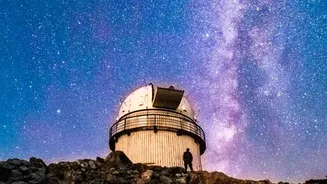
India is emerging as a premier destination for astrotourism, with the Hanle Dark Sky Reserve in Ladakh leading the way. Situated at an altitude of over 4,500 metres, Hanle offers some of the clearest and darkest skies on the planet. Formally designated in 2022, this reserve is not just a tourist spot but a community-driven conservation effort to protect the pristine night environment for astronomical research at the Indian Astronomical Observatory. For travellers, this translates into an unparalleled stargazing experience. Here, the Milky Way isn't a faint smudge but a brilliant, textured river of light, and distant galaxies can be spotted with the naked eye. Local communities have embraced this identity, with homestays adopting special lighting to minimise pollution, ensuring the stars remain the main event.
Adventure by Day, Wonder by Night
The magic of a dark-sky holiday lies in its dual personality. Days are filled with adventure, exploring the rugged, beautiful landscapes that make these locations so remote. In a place like Ladakh, this could mean trekking to high-altitude lakes like Pangong Tso, mountain biking through challenging terrain, or river rafting on the Indus. You might spend your afternoons exploring ancient monasteries and experiencing the local culture. As dusk falls, the focus shifts from the terrestrial to the celestial. The adventure continues, but now it’s an exploration of the cosmos. Guided sessions with local experts or astronomers transform the sky into a living classroom, where you can learn to identify constellations and use powerful telescopes to gaze at nebulae and star clusters.
Beyond the Himalayas
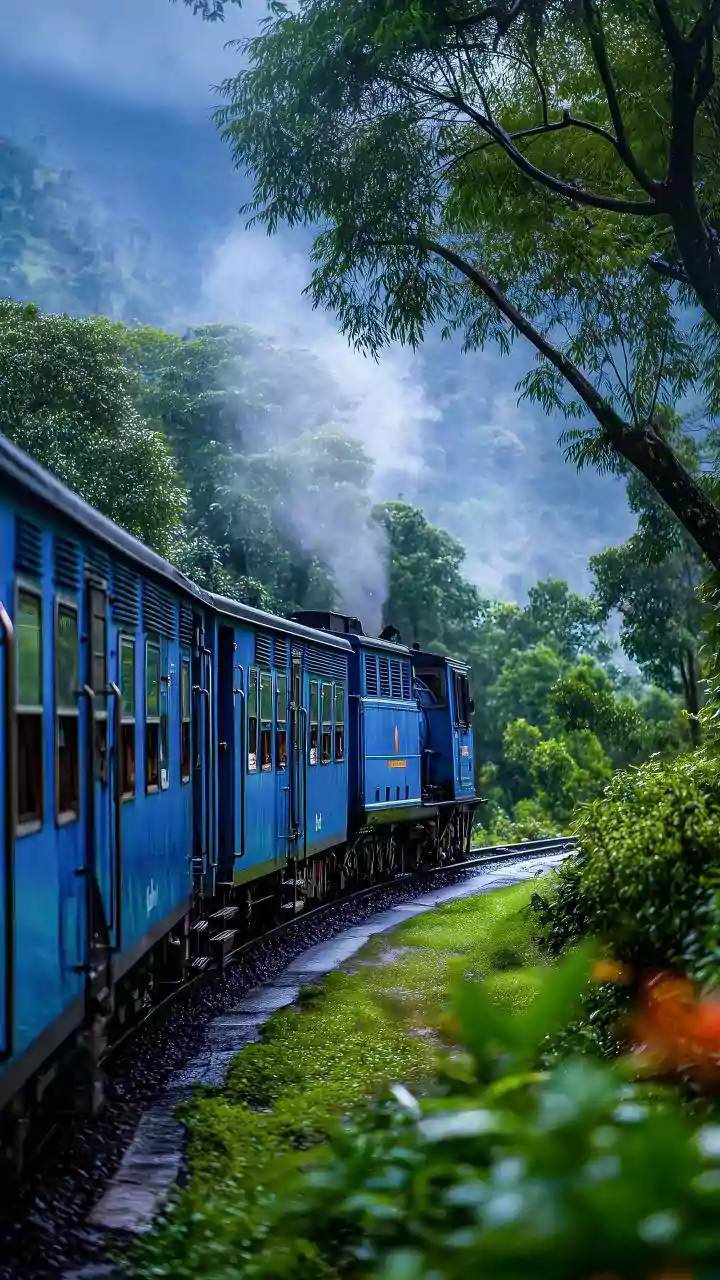
While Ladakh holds a special place, India offers a variety of dark-sky destinations. The high-altitude desert of Spiti Valley in Himachal Pradesh provides a similarly dramatic and raw setting, with villages like Kaza and Kibber serving as bases for celestial observation. Further south, the vast, flat expanse of the Rann of Kutch in Gujarat offers a surreal experience, with an unobstructed 360-degree view of the sky over the white salt desert. Even the misty hills of Coorg in Karnataka and the tea plantations of Munnar in Kerala provide surprising pockets of darkness ideal for stargazing, proving that you don't always have to go to the highest mountains to find the stars.
A Journey for Mind and Soul
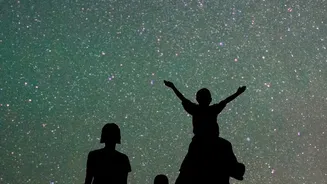
A holiday under a dark sky is more than just a trip; it is an experience that resonates on multiple levels. On a scientific level, it’s a chance to engage with the fundamentals of our universe, witnessing astronomical phenomena firsthand. Adventurously, it pushes you to explore remote corners of the world. But perhaps most importantly, it offers a profound connection to nature and a sense of perspective. Standing under a canopy of billions of stars, in a place of deep silence and natural beauty, is a humbling and rejuvenating experience. It reminds us of the scale of the universe and our place within it, offering a unique form of mental and spiritual refreshment that is hard to find in the modern world.