



The Diagnostic Double-Check
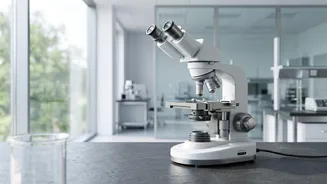
One of the most significant impacts of AI in medicine is in diagnostics, particularly in fields like radiology and pathology. AI algorithms are exceptionally good at sifting through vast amounts of data, such as CT scans or digital biopsy slides, to spot
anomalies that a human eye might miss. An AI can flag a tiny cluster of suspicious cells or a subtle pattern in an X-ray, presenting it to the radiologist or pathologist for review. This is the core of the 'human-in-the-loop' model: the AI provides a powerful first pass, but the final diagnosis and clinical judgment rest with the human expert. The doctor brings context, experience, and a holistic understanding of the patient that an algorithm lacks, using the AI's findings as a crucial data point in their decision-making process. This partnership enhances accuracy and can lead to earlier detection of diseases without removing the physician's authority.
The Surgeon's Steadier Hand
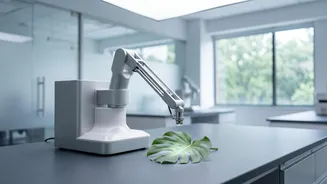
Robotic-assisted surgery, powered by systems like the da Vinci robot, is often misunderstood as autonomous. In reality, these are not self-operating robots but highly advanced tools completely controlled by a surgeon. The surgeon sits at a console, often in the same room, and their hand movements are translated into incredibly precise, tremor-free motions by the robotic arms. AI enhances this by providing real-time decision support, analysing data from the operation to suggest optimal paths or by controlling an auxiliary arm for tasks like holding a camera steady. The surgeon is always in full command, able to override any automated assistance. This technology extends the surgeon's capabilities, allowing for less invasive procedures with greater precision, but it does not replace their skill or decision-making. The human surgeon’s knowledge of anatomy and ability to adapt to unexpected situations remains paramount.
Optimising Hospital Operations
Beyond the operating room and diagnostic labs, AI is quietly revolutionising the administrative backbone of hospitals. These systems help manage patient flow, predict peak times in the emergency department, and optimise staff scheduling. For instance, Apollo Hospitals in India is using AI to automate routine tasks like transcribing notes and generating discharge summaries, aiming to free up several hours a day for doctors and nurses. AI might suggest the most efficient way to allocate beds or schedule surgeries, but a human hospital administrator makes the final call. They can evaluate the AI's recommendations against real-world factors the system may not understand, such as staff morale or a sudden local event. This ensures that efficiency gains don't come at the cost of patient care or staff well-being.
An Extra Set of Eyes on Patients
In patient wards, particularly in critical care, AI-powered monitoring systems act as a vigilant assistant to nurses. These systems continuously analyse real-time data from wearable sensors and monitors, detecting subtle changes in a patient's vital signs that might signal deterioration. Instead of a nurse having to constantly check monitors for every patient, the AI can alert them when a specific individual needs attention, allowing for earlier intervention. This does not reduce the need for nurses; rather, it empowers them to focus their attention where it's needed most. The AI spots the data pattern, but the nurse provides the crucial human assessment, comfort, and care. This collaborative approach ensures that technology is used to enhance, not depersonalise, the patient experience.