





Adjust Your Diet Seasonally
The monsoon season brings a drop in temperature but an increase in humidity, which can slow down our digestion. It’s wise to switch to lighter meals that are easy on the stomach. Think steamed or grilled vegetables, moong dal, and khichdi. Ayurveda suggests
favouring warm, freshly cooked foods over raw salads, which can be difficult to digest and may carry germs if not washed properly. Reduce intake of heavy, oily, and fried foods like samosas and pakoras, as tempting as they may be. Instead, opt for roasted corn (bhutta) or a warm bowl of soup. Also, be mindful of leafy greens; while nutritious, they can harbour dirt and worms during this season. If you do eat them, ensure they are thoroughly cleaned and well-cooked.
Hydrate The Right Way
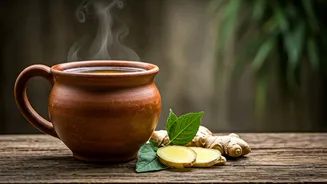
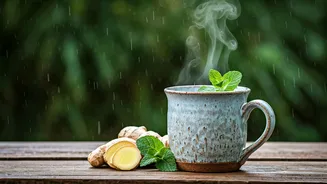
You might not feel as thirsty due to the cooler weather, but staying hydrated is crucial to flush out toxins and maintain good health. However, the risk of water-borne diseases like cholera and typhoid increases significantly during the rains. Avoid drinking water from unknown sources and stick to boiled or filtered water at home. Carry your own water bottle when you go out. You can also boost your fluid intake with warm herbal teas made from ginger, tulsi, and lemon. These not only hydrate but also have immunity-boosting properties that help fight off common colds and coughs. A classic 'kadha' can become your best friend this season.
Fortify Your Home’s Defences
A damp home is a breeding ground for mould, mildew, and mosquitoes. Ensure your house is well-ventilated. Open windows during dry spells to let in fresh air and sunlight, which is a natural disinfectant. Check for and fix any leaks in the roof or walls. To combat dampness, you can use dehumidifiers or place moisture-absorbing materials like silica gel packs or even bowls of salt in wardrobes and corners. Prevent water from stagnating in and around your home—in pots, coolers, or discarded tyres—as this is where disease-carrying mosquitoes breed. Burning neem leaves or using camphor can also help keep insects at bay and add a pleasant, purifying aroma to your home.
Prioritise Personal Hygiene
The increased humidity can lead to fungal and bacterial skin infections. Take a bath with antiseptic soap or a few drops of neem oil in your water after getting wet in the rain. Pay special attention to your feet, as they are most susceptible to infections from wading through puddles. Wash and dry your feet thoroughly as soon as you get home, and avoid wearing damp shoes or socks for extended periods. It's also a good idea to keep your nails trimmed short to prevent dirt accumulation. Using an anti-fungal dusting powder can help keep problem areas like underarms and feet dry and infection-free.
Boost Your Immunity Naturally
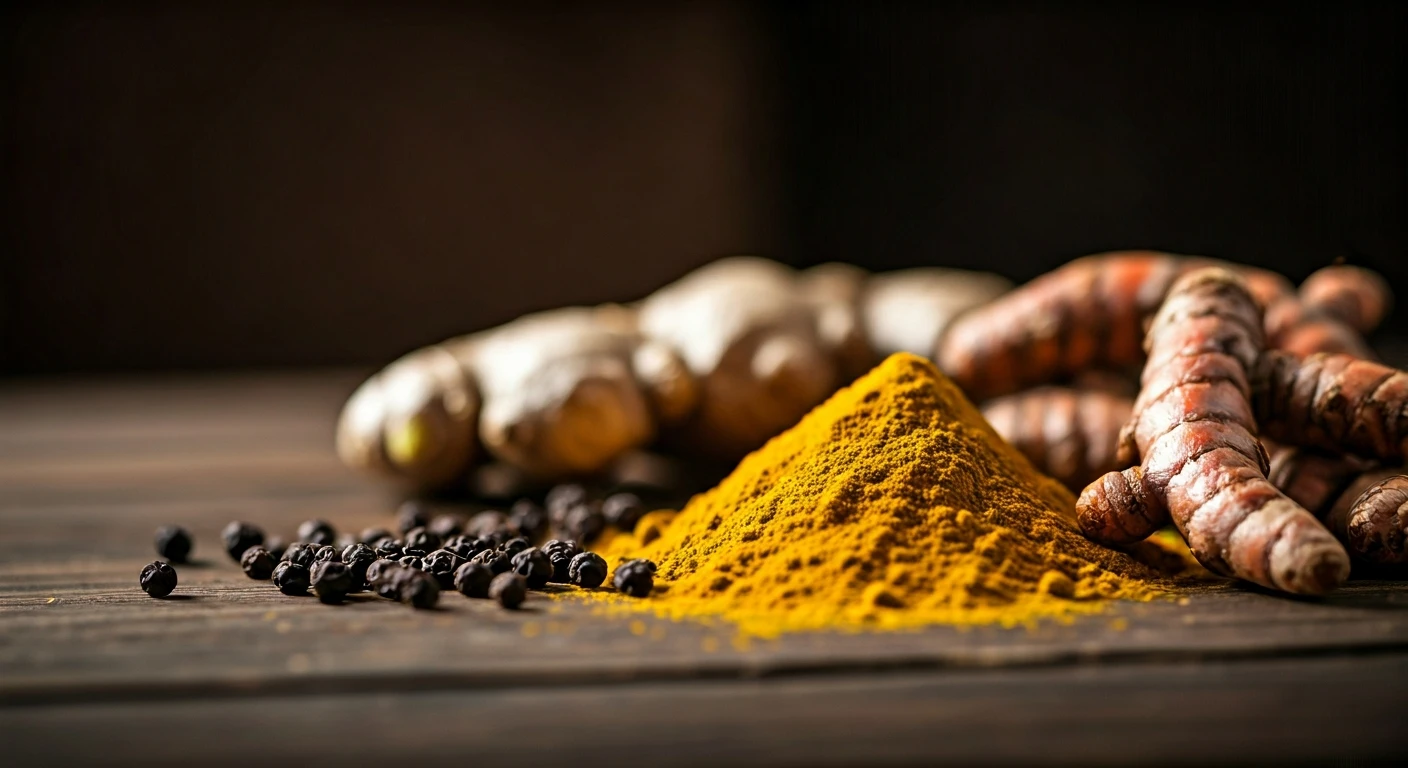
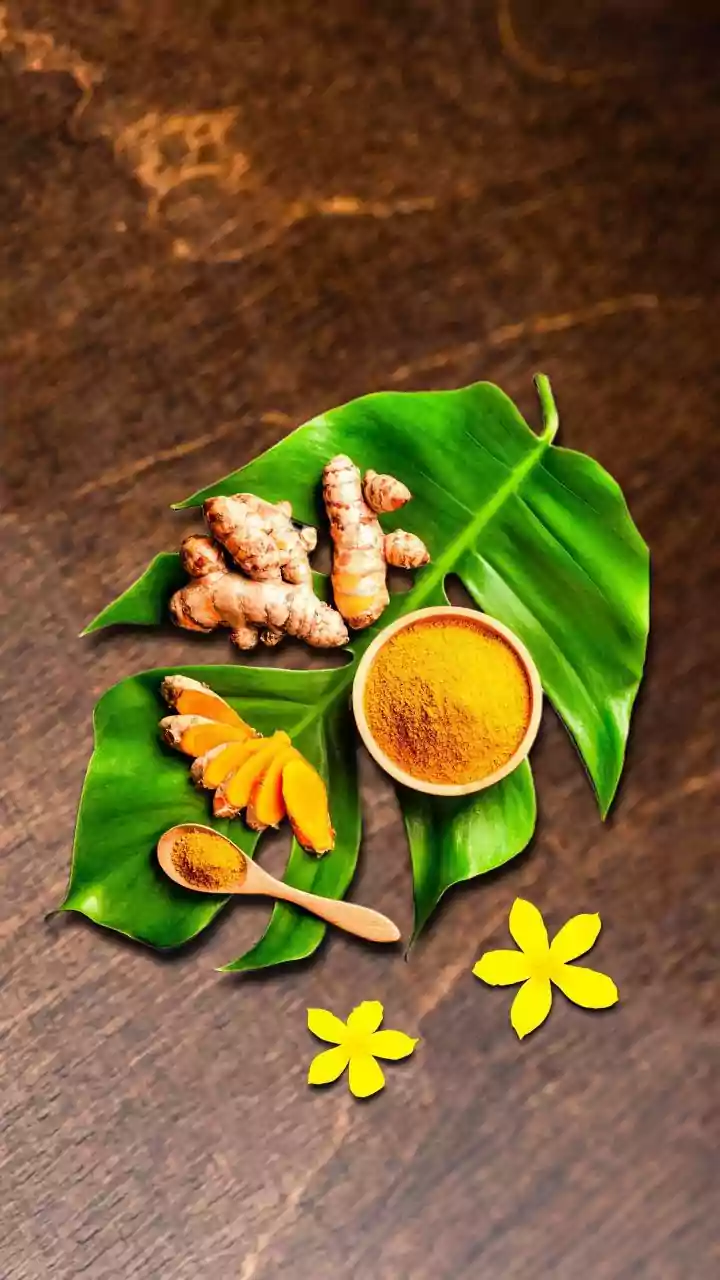
Your body's immunity is your first line of defence against the seasonal flu, colds, and other infections that are rampant during the monsoon. Incorporate immunity-boosting ingredients into your daily diet. Turmeric, ginger, garlic, and black pepper have powerful antimicrobial and anti-inflammatory properties. A pinch of turmeric in warm milk at bedtime is a time-tested remedy for strengthening immunity. Probiotic-rich foods like homemade dahi (yoghurt) can also improve gut health, which is closely linked to your overall immune system. Ensure you are getting adequate sleep, as rest is when your body repairs and rejuvenates itself, making you less susceptible to falling ill.