



The Monsoon Menace: When Rain Becomes a Risk
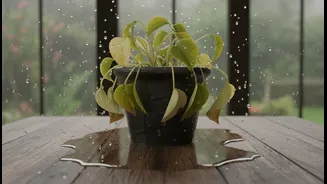
For many plants, the monsoon is a time of lush growth, but for succulents and many popular herbs, it's a period of immense stress. These plants are naturally adapted to drier climates where water is scarce. Their roots are designed to absorb moisture
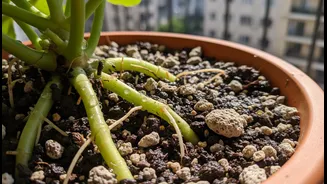
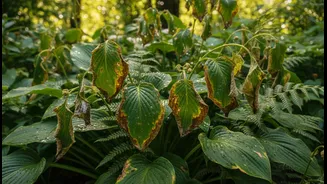
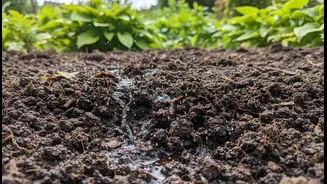
quickly, not to sit in water for days on end. Continuous rain saturates the soil in pots, blocking air pockets and preventing roots from breathing. This oxygen-starved, waterlogged environment is the perfect breeding ground for fungal diseases that cause root rot, a condition where roots turn black, mushy, and can no longer support the plant. Signs of trouble often appear above ground as yellowing leaves, mushy stems, and a general wilting, even though the soil is wet.
Meet Perlite: Your Plant's Rainy-Day Insurance
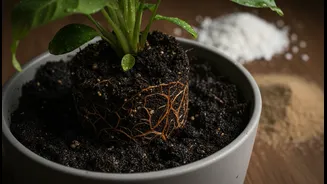
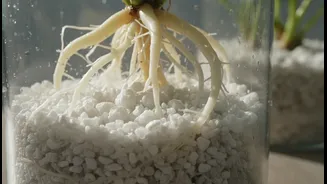
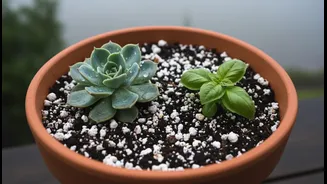
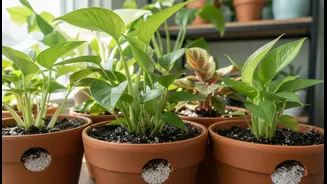
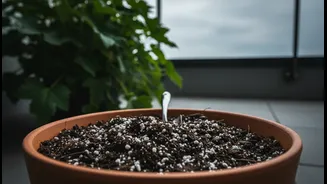
This is where perlite becomes a gardener's best friend. Those little white, lightweight specks you see in high-quality potting mixes are not styrofoam; they are a form of volcanic glass that is heated until it expands, creating a porous, sterile material. Perlite's primary role in soil is not to provide nutrients but to improve its physical structure. It is incredibly effective at enhancing drainage and aeration. When mixed into soil, the perlite particles create a network of tiny air channels. These channels allow excess water to drain away freely while ensuring that plant roots have access to the oxygen they desperately need, drastically reducing the risk of root rot.
How to Perform a Perlite Soil Upgrade
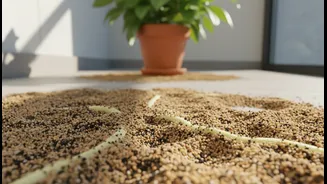
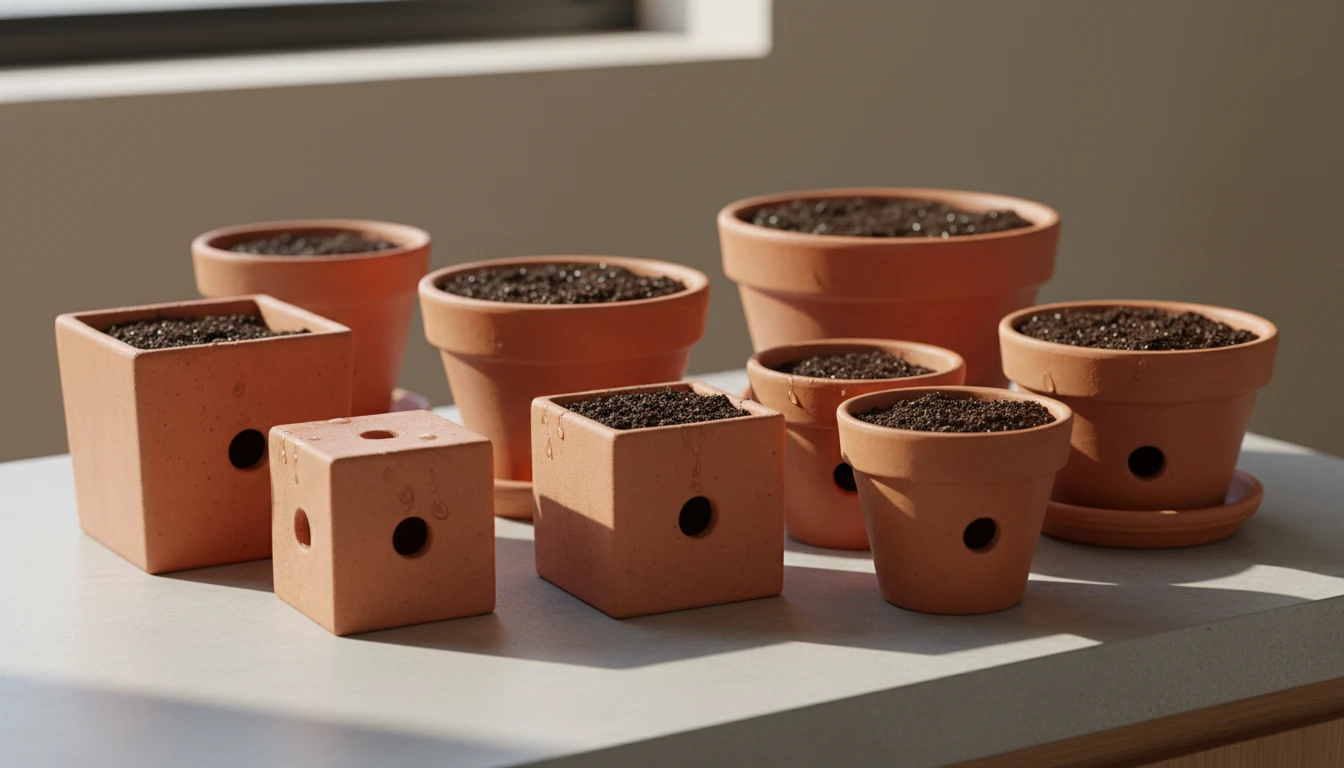
Upgrading your soil mix before the heaviest rains set in is a proactive step that can save your plants. The goal is to create a growing medium that stays moist but never soggy. For succulents and cacti, a robust mix might consist of one part potting soil, one part coarse sand, and one part perlite. A more general recipe for herbs and other houseplants that appreciate good drainage is two parts potting mix to one part perlite. To perform the upgrade, gently remove the plant from its current pot. If you see any dark, mushy roots, trim them off with clean shears. Fill the bottom of a new pot (with excellent drainage holes) with your freshly prepared perlite-rich mix, place the plant, and fill in the sides, firming the soil gently. Water it once to settle the soil, then allow it to dry out.
Essential Monsoon Care Beyond the Soil
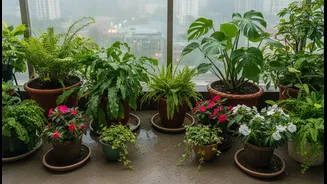
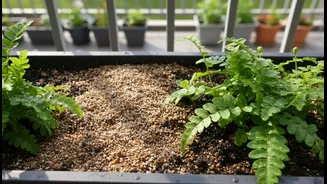
While a perlite upgrade is the most crucial step, a few other adjustments can help your plants navigate the monsoon. If possible, move pots to a covered balcony or under a roof overhang where they are shielded from direct, heavy downpours. Elevating pots on stands or bricks can also improve drainage by preventing the drainage holes from becoming blocked. It is also vital to adjust your watering habits. During the monsoon, the high humidity means soil dries out much more slowly. Always check the soil with your finger; if it feels even slightly moist, do not water it. Finally, ensure good air circulation around your plants to help combat the high humidity and reduce the chances of fungal growth on leaves.