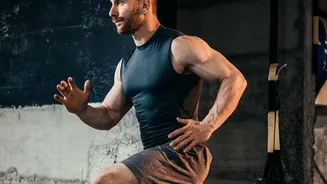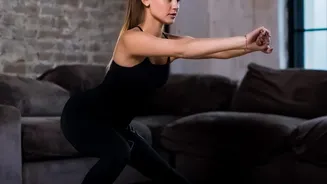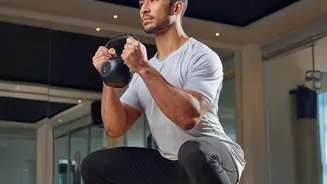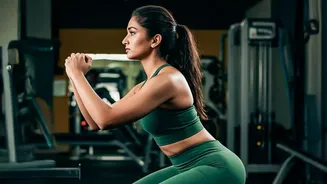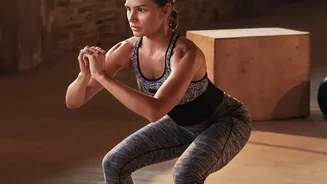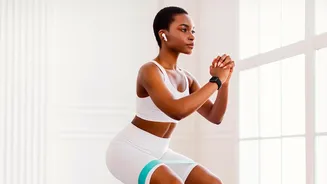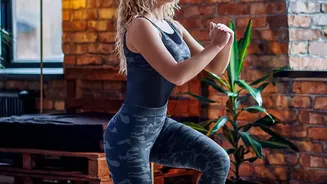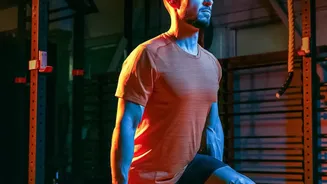




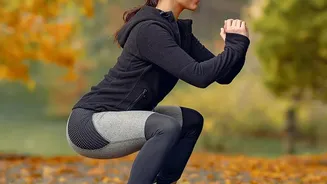

When it comes to building stronger thighs, the squat often gets all the credit. It’s the undisputed king of leg day for a reason. But if squats are already in your routine, you might wonder: are lunges really necessary? The answer is yes.
The Foundation: What Squats Deliver
Before diving
into what makes lunges special, it’s important to give squats their due. Squats are a bilateral exercise, meaning they work both legs at the same time. This stable, two-footed stance allows you to lift heavier weights, making them incredibly effective for building raw strength and muscle mass in the lower body. They primarily target the major muscle groups: the quadriceps, hamstrings, and glutes. Because they engage so many large muscles at once, squats are also excellent for boosting your metabolism. Think of squats as the foundation of your lower-body strength, providing the power and size that other exercises can then refine.
The Game Changer: The Unilateral Advantage of Lunges
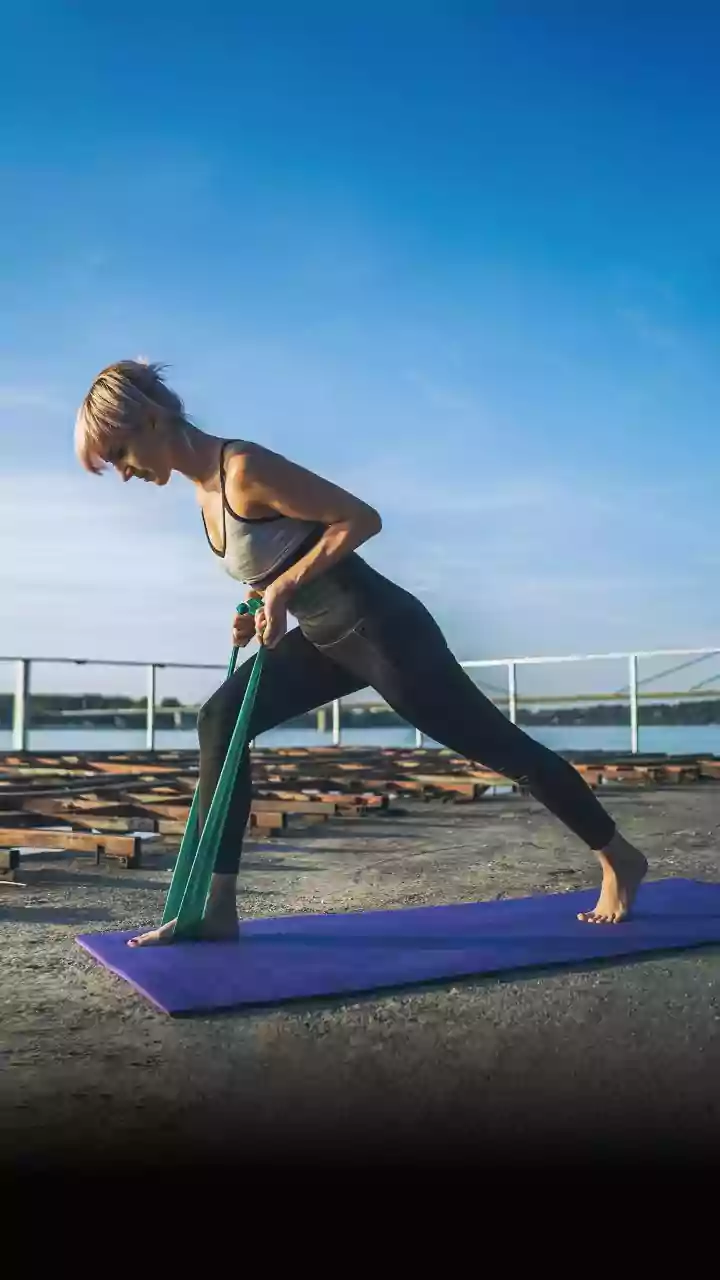
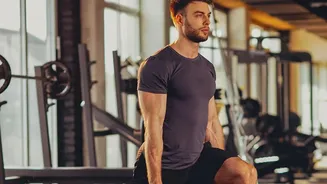
Here’s where lunges change the game. Unlike a squat, a lunge is a unilateral exercise, meaning it works one leg at a time. This simple difference is the key to all of its unique benefits. When you step into a lunge, you create an unstable environment. Your body has to work much harder to stay upright and balanced. This forces your core and smaller stabilizing muscles in your hips and ankles to fire up in a way they simply don't have to during a stable, two-legged squat. This challenge to your balance and coordination is what makes lunges so functional.
Shining a Light on Muscle Imbalances
One of the most significant benefits of lunges is their ability to identify and correct muscle imbalances. We all have a dominant side that tends to be stronger. During a bilateral exercise like a squat, your stronger leg can subtly compensate for the weaker one, masking the imbalance. Because lunges force each leg to work independently, they immediately expose any differences in strength or stability between your right and left sides. By incorporating lunges into your routine, you can give your weaker side the focused attention it needs to catch up, leading to better overall symmetry and reducing the risk of injury.
Building Functional Strength and Stability
While squats are fantastic for building raw power, lunges excel at building functional strength—the kind you use in everyday life and sports. Most daily activities, from walking and running to climbing stairs, are a series of single-leg movements. Lunges directly mimic these patterns. The stability required to perform a lunge properly translates into better control and efficiency in these real-world actions. They activate stabilizer muscles like the gluteus medius (on the side of your hip) more effectively than squats, which is crucial for pelvic stability and preventing your knees from caving inward.
Targeting Muscles from New Angles
While both exercises work the same primary muscles, lunges can target them in different ways. Different lunge variations shift the emphasis. For example, a forward lunge tends to place more demand on the quads, while a reverse lunge can be more focused on the glutes and hamstrings. Lateral (side) lunges are excellent for working the inner and outer thighs (adductors and abductors), muscles that provide stability but get less attention in the straightforward motion of a squat. This variety helps create a more well-rounded and resilient lower body.
The Perfect Partnership in Your Routine
So, it's not a question of squats versus lunges, but rather how they work together. A smart routine uses both to build a powerful, balanced, and functional lower body. A great approach is to start with squats, using heavier weights to build your foundational strength. Then, follow up with lunges—with or without weights—to work on stability, address imbalances, and target muscles from different angles. For beginners, it's often wise to master the bodyweight squat first to build baseline strength and coordination before tackling the balance challenge of the lunge.