




The Unsung Hero: Moringa
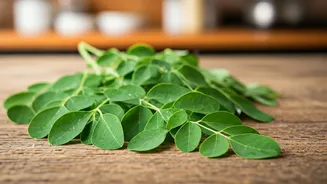
The leafy twist your meals have been missing is likely growing in a backyard nearby. We're talking about Moringa, or drumstick leaves. While the drumstick (the pod) is a beloved star in sambar and other curries, its leaves are often overlooked in modern
urban kitchens. Known in Ayurveda as 'Shobhanjana' or the 'very auspicious tree', every part of the moringa plant is edible and packed with benefits. These humble leaves have a slightly earthy taste and have been a staple in traditional Indian diets for centuries, valued for both flavour and wellness. It's a culinary gem that has moved from traditional kitchens to become a global superfood, and it's high time it found a regular spot in our daily cooking.
A Nutritional Powerhouse
Calling moringa leaves a superfood isn't an exaggeration. They are a treasure trove of essential nutrients. Gram for gram, they contain more Vitamin C than oranges, more Vitamin A than carrots, and more calcium than milk. The leaves are packed with vitamins, minerals like iron and potassium, and all essential amino acids, making them a complete plant protein. This impressive nutritional profile contributes to a wide range of health benefits, including boosting immunity, supporting bone health, fighting inflammation, and providing a natural energy lift. Antioxidants like quercetin and chlorogenic acid found in moringa help protect our cells from damage and can aid in stabilizing blood sugar levels.
Beyond the Occasional Stir-Fry
In many parts of India, especially the South, moringa leaves are commonly used to make a simple stir-fry (thoran) or added to lentil dishes. But their potential goes far beyond these traditional preparations. Their mild flavour allows them to be incorporated into a vast array of dishes without overpowering other ingredients. The key is to think of them not as a special-occasion vegetable but as a daily nutritional supplement that comes straight from nature. The trick is to ensure they are cooked well, as the leaves can be tough to digest if they are not tender. By finding simple ways to add them to meals you already make, you can effortlessly boost your family's nutritional intake.
Easy Ways to Add Moringa Daily
Integrating moringa into your diet doesn't require a complete overhaul of your menu. Start with these simple, practical ideas. Finely chop fresh leaves and knead them into your chapati or paratha dough, just as you would with methi. Add a handful of leaves to your dal in the last few minutes of cooking for a nutrient boost. You can also blend them into batters for adai, dosa, or even savoury pancakes. For a quick breakfast, whisk chopped leaves into your omelette or scrambled eggs. Another simple method is to add fresh leaves or moringa powder to your morning smoothie or a simple vegetable soup. These small additions can make a significant difference to the nutritional value of your meals without much extra effort.
Fresh Leaves vs. Powdered Form
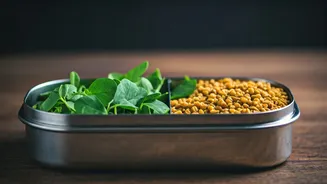
Fresh moringa leaves are wonderful, but they aren't always accessible, especially in cities. This is where moringa powder comes in. Made by drying and grinding the leaves, the powder retains a concentrated dose of the nutrients. It’s incredibly versatile and easy to use. You can stir a teaspoon into a glass of warm water with lemon, blend it into smoothies, mix it into salad dressings, or sprinkle it over your morning oatmeal or yoghurt. When adding it to hot dishes like soups or curries, it's best to stir it in after cooking to preserve its potent nutrients. Having a jar of moringa powder in your pantry is like having a secret weapon for health, ready to deploy at any meal.